

This is a first that will revolutionize online political interviews. Arcom announced this Thursday that major content creators on YouTube , Twitch, and social media will have to comply with rules of political pluralism during the 2027 presidential campaign. Until now applied primarily to television and radio stations, these obligations will now also apply to the most influential video creators. Failure to comply could result in financial penalties.
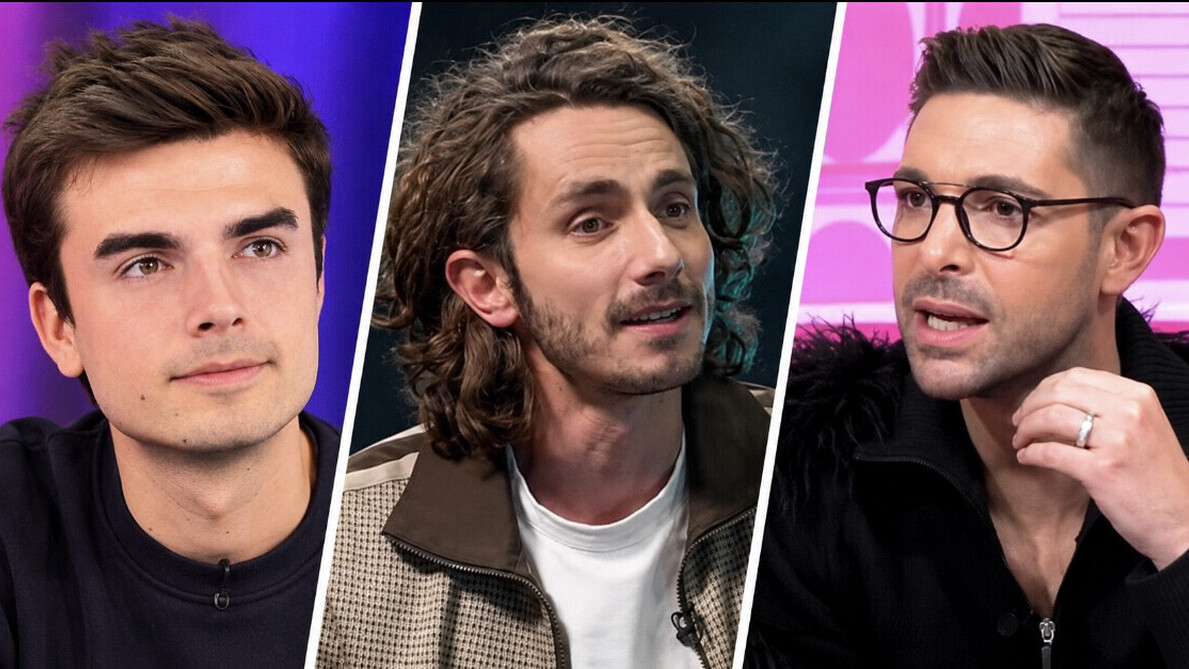
HugoDécrypte, Guillaume Pley, Sam Zirah… Big YouTube channels in the crosshairs
The president of Arcom, Martin Ajdari, justifies this decision by the growing influence of content creators on public opinion. "There is a new phenomenon, it is here and it is massive ," he declared at a press conference devoted to the rules of the 2027 presidential election.
Personalities like HugoDécrypte, Guillaume Pley , Sam Zirah, and Gaspard G attract considerable audiences and regularly host political figures. Some of their videos reach several million views, sometimes more than programs broadcast on traditional channels.
For Arcom, it is therefore no longer justified that a political interview broadcast on television should be subject to rules of pluralism while a similar interview, watched by millions of people on YouTube, escapes these obligations.
The regulator had already announced its intention to regulate political interviews conducted by content creators . This time, the rules and their implementation timeline are specified.
From April 5th, all candidates must benefit from equal exposure
The scheme will have two phases. From March 16 to April 4, 2027, the creators involved must adhere to a fairness rule. Candidates and their supporters must receive exposure that takes into account, in particular, their political representation, their election results, polls, and their activity during the campaign.
From April 5th, the principle of equality will replace that of fairness. All candidates must have the same speaking time and exposure, under comparable conditions. This obligation does not mean that a YouTuber must necessarily invite every candidate: they can also give airtime to their representatives or supporters.
Arcom will not limit itself to counting minutes. It will also examine the conditions under which candidates are presented, including video length, format, titles, thumbnails, and promotion. A candidate cannot be systematically featured in the most popular programs while their opponents are relegated to less visible content.
Creators who refuse to follow the rules may face fines.
Arcom warns that it may intervene when a creator subject to these obligations fails to respect pluralism. The regulator has a range of measures at its disposal, from warnings to formal notices, and then to financial penalties in cases of repeated breaches.
Martin Ajdari specifically mentioned the case of an influencer who would invite certain candidates while systematically denigrating others. Starting in January 2027, the authority also intends to monitor compliance with the requirements of rigor and honesty in the reporting of election news.
These obligations will not apply to all internet users. Arcom will consider three criteria: the nature of the content published, its audience, and the regularity of publication. Channels exclusively dedicated to entertainment, sports, or video games, without regular coverage of political news, will not be subject to the rules of fairness and equality.
The measure will apply to video channels that can legally be classified as on-demand audiovisual media services. Audio-only podcasts are not affected by this expanded regulation.
"We will not stand for it": Jean Massiet denounces an attack on freedoms
The decision is already causing controversy among political content creators. Jean Massiet, host of the Backseat show on Twitch, who notably refuses to host representatives of the far right, denounced the rules as "absurd and an attack on fundamental freedoms".
“We won’t stand for it ,” he warned, arguing that independent creators must remain free to choose their guests. He also pledged to cover the legal fees of creators who are prosecuted for refusing to comply with these obligations.
Jean-Luc Mélenchon also contested the decision. The leader of La France Insoumise questioned the legitimacy of imposing constraints on independent creators comparable to those of traditional audiovisual media.
Conversely, Sam Zirah indicated that he would respect the applicable rules, while hoping that they would not compromise the long and independent political interviews which notably allow reaching a young audience.
A new expansion of Arcom's powers
This decision comes as the regulator is already facing criticism regarding its control of pluralism in traditional media. In recent months, several decisions concerning CNews have sparked controversy, notably the departure of Amine El-Khatmi after the decision to count his appearances as political airtime.
Arcom considers, however, that certain YouTube channels can legally be considered audiovisual services and that their managers must, as such, respect the electoral obligations provided for by French legislation.
The regulator also points out that paid partnerships aimed at promoting a candidacy have been prohibited since October 1, 2026, under the regulations on political advertising prior to the election.
Creators will also have to respect the electoral silence from midnight on the eve of the election and will not be able to disclose the results before the closing of the last polling station in metropolitan France.
The two rounds of the presidential election are scheduled for April 18 and May 2, 2027. The new fairness requirements will come into effect on March 16, before the transition to equality on April 5.




Respond to the article
Be the first to comment on this article.