

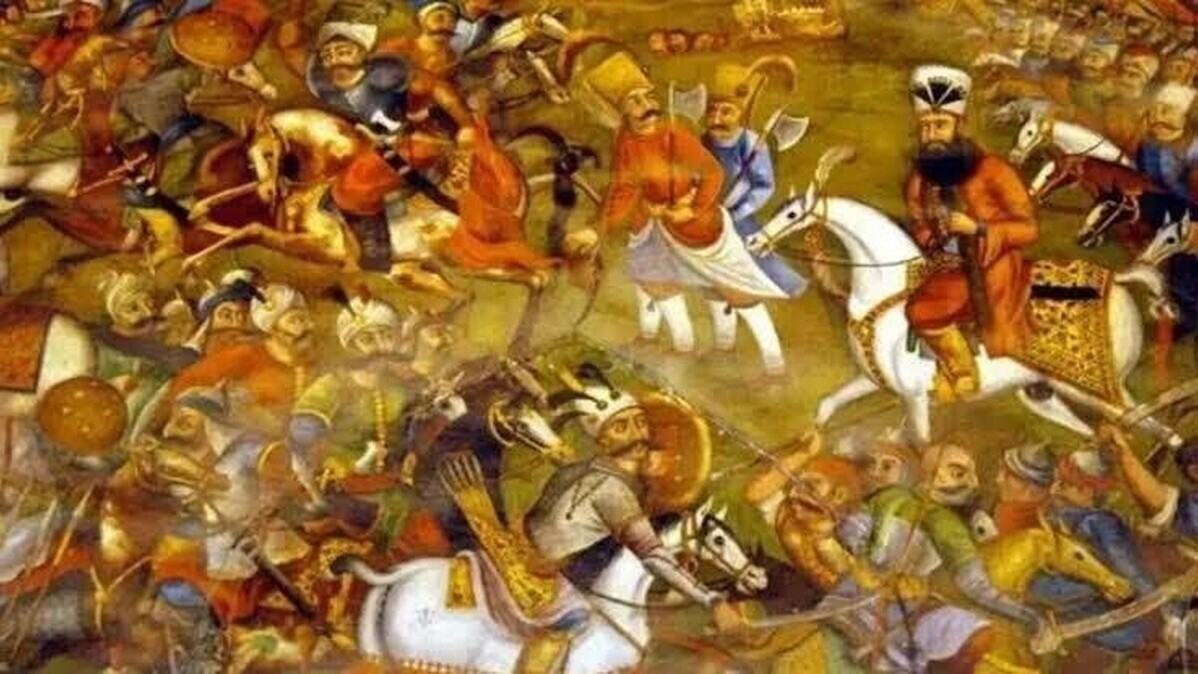
On August 23, 1514, the army of Ottoman Sultan Selim I crushed that of the Shah of Persia Ismail I at Chaldiran, in present-day Turkey, a battle that inaugurated more than a century of religious war between Turkish Sunnis and Persian Shiites.
Two empires facing a religious rift
Selim I represented the dominant Sunni Islam within the Ottoman Empire, while Ismail I, founder of the Safavid dynasty, established himself as the champion of the Shiite minority, a religion he imposed throughout his empire. This religious rivalry, coupled with competing territorial ambitions in eastern Anatolia, culminated in a direct confrontation between the two most powerful Muslim states of their time.
The two armies, each with about 100,000 men, faced each other on the Chaldiran plateau, not far from Lake Van, in a region then disputed between the two empires.
Ottoman technical superiority made the decision
The Ottoman victory was primarily due to a decisive technological superiority: the cannons and arquebuses of Selim I's troops overwhelmed the Persian cavalry, renowned for its formidable strength, but lacking comparable modern artillery. The sultan, however, neglected to pursue his adversary after the battle, contenting himself with annexing eastern Anatolia and northern Iraq, encompassing most of Kurdistan and the former kingdom of Armenia.
This battle marked the beginning of a lasting rivalry between the two empires, which would continue to pit Sunnis against Shiites in the Middle East for more than a century after this foundational confrontation.







Community
Comments
Write a comment
Be the first to comment on this article.