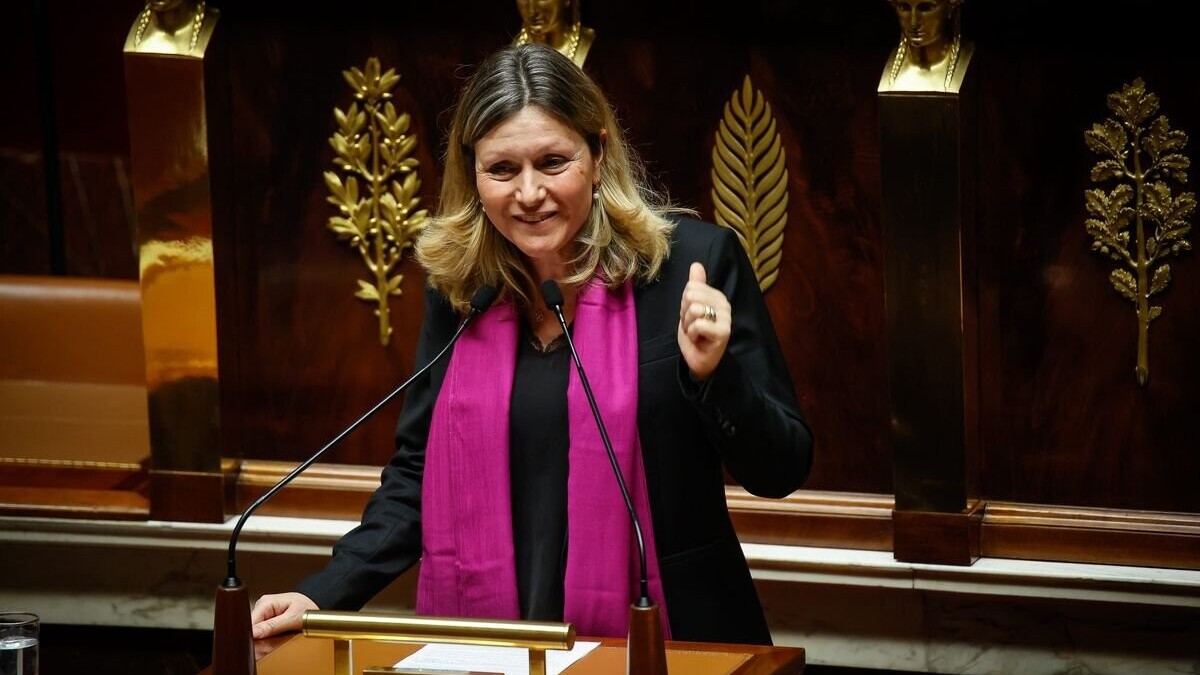
While the government is asking the French to contribute to the effort to restore public finances, Yaël Braun-Pivet rejects the idea of reducing deputies’ remuneration. Interviewed on LCI this Tuesday, October 13, the President of the National Assembly defended maintaining their parliamentary allowance, believing that elected officials should not suffer a salary cut. A position that could fuel the debate on the exemplary conduct of political leaders amid the 2027 budget discussions.
“Deputies are French like everyone else. And for the French, we don’t come to cut their salary,” declared Yaël Braun-Pivet on LCI. With this statement, the President of the National Assembly intends to defend the principle of stable remuneration for parliamentarians, despite calls for elected officials to participate in budgetary efforts.
This stance comes in a particularly sensitive context. Sébastien Lecornu’s government is seeking to reduce the public deficit and is considering several savings measures concerning notably pensions, social benefits, and local authorities. Civil servants are also affected by proposals to freeze their indexed remuneration. These provisions have sparked criticism regarding the distribution of sacrifices demanded from different categories of French citizens.
A parliamentary allowance exceeding 7,000 euros gross per month
In France, deputies receive a gross monthly parliamentary allowance of about 7,600 euros, to which are added resources intended for carrying out their mandate, notably to pay their collaborators and finance certain professional expenses. These specific envelopes do not constitute personal salary and are subject to rules of use and control.
The question of elected officials’ remuneration regularly resurfaces in public debate, especially when the government announces austerity measures or budget restrictions. Supporters of reducing parliamentary allowances see it as a gesture of exemplary conduct and solidarity with taxpayers. Opponents point out that such a reduction would have a limited effect on public finances and could raise the issue of the material independence of the nation’s representatives.