

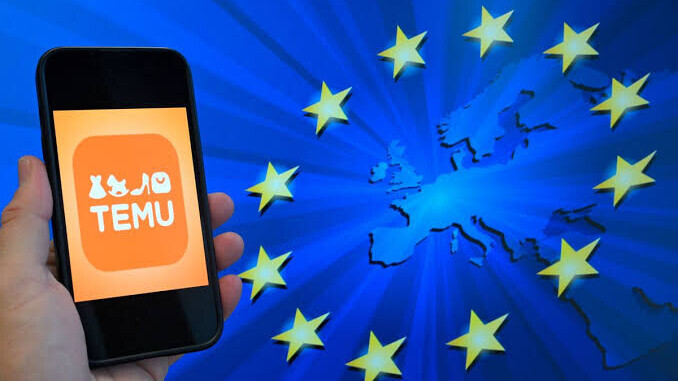
The regulatory noose is tightening around Temu. The European Commission accuses the Chinese platform of obstructing investigations into potential foreign state aid that could distort competition within the European Union. These are still preliminary allegations, but they expose the company to further financial penalties.
The investigation led European authorities to inspect the Irish premises of Temu and its subsidiary Whaleco in December. Brussels is seeking to determine whether the company received financial support from Beijing that allowed it to develop its European operations under more advantageous conditions than its competitors.
According to the Commission, the group did not cooperate sufficiently during these operations. It is specifically accused of failing to provide certain basic information, as well as several documents and records relating to its activities in the Member States. This conduct could constitute an obstacle under the European regulation on foreign subsidies, which entered into force in 2023.
Temu strongly denies the accusations from Brussels
The platform categorically rejects this version of events. It asserts that it has responded to all requests made during the inspections and maintains that it does not receive any foreign subsidies that could distort competition in Europe. Temu also maintains that it has sufficient financial resources through its own operations.
If the obstruction is confirmed, the company could receive a specific fine. An additional penalty, potentially reaching 1% of its turnover, could also be imposed if Brussels demonstrates the existence of illegal subsidies. Beyond the financial aspect, this procedure primarily threatens a business model based on extremely rapid growth and particularly aggressive pricing.
The case comes at a time when Temu is already under close scrutiny in Europe. The platform, which claims around 130 million users in the EU, had notably contested a €200 million fine imposed by Brussels due to the presence of products considered illegal or dangerous. Its spectacular success thus becomes a real-world test for new European regulatory tools against foreign e-commerce giants.








Community
Comments
Write a comment
Be the first to comment on this article.