

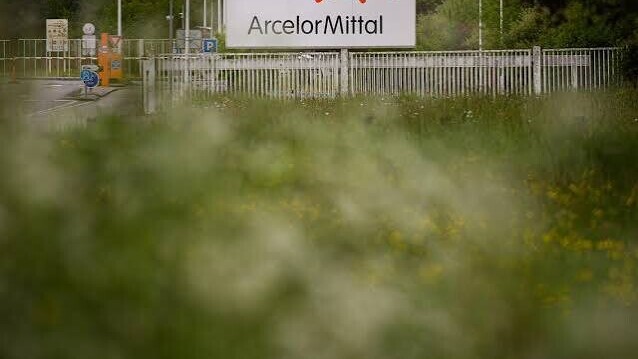
ArcelorMittal believes that competition is gradually becoming fairer in the European steel market. After several years marked by an influx of low-priced imported products, the steel giant is beginning to see the effects of the new trade protections introduced by the European Union.
In the second quarter of 2026, the group generated EBITDA of $2,1 billion, slightly exceeding market expectations. Net income reached $700 million. In Europe, profitability per ton increased by $28 compared to the previous quarter, while crude steel production rose by 11%.
This improvement is largely attributed to stricter import quotas and the entry into force of the European carbon border adjustment mechanism. This mechanism gradually imposes a carbon-related cost on certain imported products, in order to prevent European steelmakers, subject to more stringent environmental standards, from being disadvantaged compared to their foreign competitors.
Brussels gives a boost to a long-stressed industry
ArcelorMittal now forecasts a decline of approximately 45% in European steel imports compared to 2025. This decrease should allow plants on the continent to make better use of their production capacity. The group has already restarted three European facilities and says it is ready to further increase its volumes if demand warrants it.
The recovery remains fragile, however. European industry continues to face high energy costs, a slowdown in some customer sectors, and the considerable investments required to decarbonize blast furnaces. ArcelorMittal has also scaled back some of its climate ambitions, fueling criticism from environmental organizations regarding the reality of its industrial transition.
Trade tensions are not limited to Europe either. US tariffs continue to cost the group approximately $600 million annually, primarily through its Canadian exports to the United States. For ArcelorMittal, the increasing regionalization of the global steel market thus represents both protection and constraint. Europe currently offers a more favorable environment, but at the cost of a deliberate return of trade barriers.





Community
Comments
Write a comment
Be the first to comment on this article.