

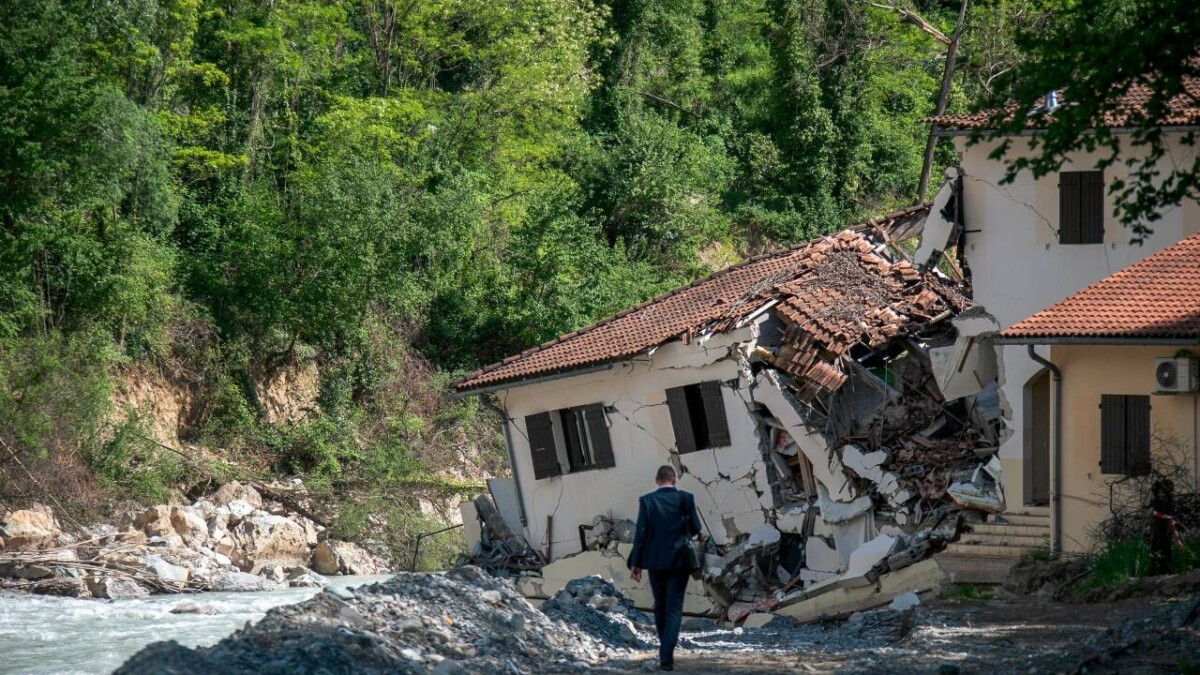
On Friday, the Court of Auditors delivered a frank assessment of the "CatNat" scheme: the natural disaster compensation mechanism, established in 1982, remains "effective" for victims, with rapid coverage through insurance as soon as an interministerial decree recognizes a state of natural disaster. On paper, the system is well-oiled. In reality, it relies on a mechanism familiar to all: national solidarity, financed by a surcharge on multi-risk home and auto insurance policies—a small levy that has little impact as long as the events remain relatively predictable.
The bill is rising, the drought is calling the shots.
The bill, however, is off the charts. The Court observes an increase in the frequency and intensity of the covered hazards—floods, droughts, cyclonic winds—with one recurring culprit: drought and the shrinking and swelling of clay soils, a phenomenon that cracks houses like an overbaked loaf of bread. Over the last five years, drought-related damages have averaged €1,35 billion per year, compared to an average of €700 million per year since this risk was first included in the scheme in 1989. Global warming, estimated at around 1,3°C since the 19th century, is not just a theoretical concept; it translates into cracked walls, mounting files, and strained finances.
Adding to this climate pressure is a sometimes burdensome administrative process: processing delays, procedures deemed complex, and litigation, especially during periods of drought. The report also highlights disputes over the recognition criteria, with a growing sense of injustice when one municipality is selected while its neighbor is rejected, disregarding local realities. To prevent the system from losing momentum, the Court recommends a regular reassessment of the surcharge rate, while emphasizing the importance of less costly approaches than repairs, such as prevention, urban planning, and reducing the vulnerability of buildings, because the trajectory is known and requires looking ahead.








Community
Comments
Write a comment
Be the first to comment on this article.