

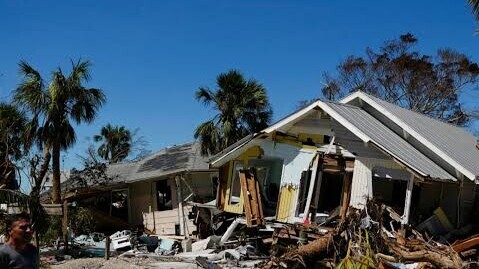
Natural disasters caused $100 billion in global economic losses, or €86,6 billion, in the first half of 2026, according to a preliminary estimate published by Swiss Re. This amount is down by more than a third compared to the same period in 2025 and remains 10% below the average of the last ten years.
The bill directly borne by insurers amounts to $42 billion, its lowest level for a first half since 2020. It is 16% below the ten-year average and far from the $91 billion recorded in the first half of 2025, marked by the particularly costly fires in Los Angeles.
The risks remain high for the second half of the year.
The earthquake in Venezuela was the most costly natural disaster of the first six months of 2026, with approximately $20 billion in economic losses. However, only a small proportion of the damage is expected to be compensated due to the limited level of insurance coverage in the country. For insurers, severe convective storms, primarily in the United States, resulted in $28 billion in payouts.
Swiss Re, however, is urging caution for the remainder of the year. On average, 58% of annual insured losses from natural disasters occur in the second half of the year, largely due to the North Atlantic hurricane season. A cyclone, earthquake, or major fire could therefore quickly reverse the trend observed since January.








Community
Comments
Write a comment
Be the first to comment on this article.