


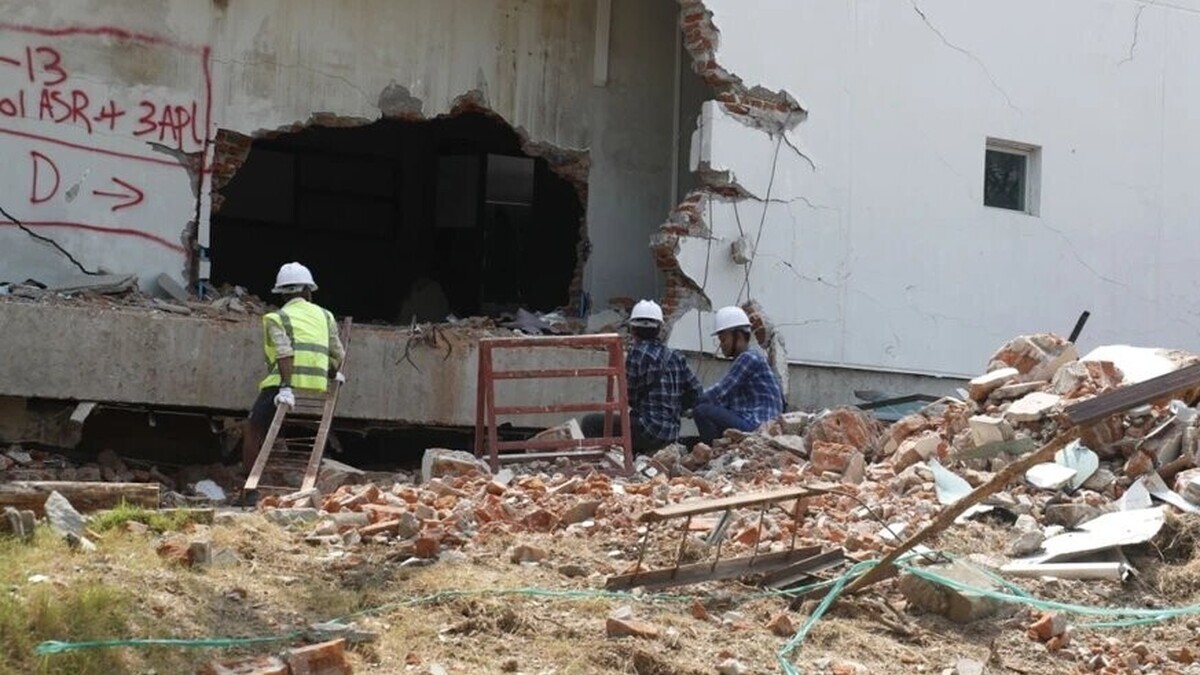
More than 50 coordinated attacks targeted several provinces in southern Thailand over the weekend, injuring three people and causing significant property damage. Buildings and vehicles were set on fire, and a railway line was disrupted in this region bordering Malaysia.
This violence is part of a decades-long conflict between Thai authorities and Malay Muslim separatist groups. The main rebel movement, the Barisan Revolusi Nasional (BRN), has been waging an armed struggle in the south of the country since the 1960s. Since 2004, the insurgency has claimed more than 7,000 lives, fueled by demands related to cultural identity, political representation, and economic development.
A new show of force by the insurgents
Attacks on administrative buildings and public infrastructure demonstrate the insurgents' continued ability to coordinate their attacks despite the heavy security presence. According to several analysts quoted by AFP, this type of operation is frequent in the region, and their coordination appears to have strengthened since the beginning of the year. Five soldiers were killed in July during an attack on a checkpoint in Narathiwat province, which also left six civilians wounded.
The new wave of violence could also reflect a desire to put pressure on the Thai government. Experts believe the insurgents are seeking, in particular, to force Bangkok to resume negotiations, as talks with the BRN, which began in 2013 under Malaysian mediation, have been repeatedly interrupted. New talks are now planned for the end of October, after those scheduled for September were postponed.
The conflict stems from the 1909 annexation of the former Muslim sultanate of Patani by Siam, which became Thailand. Since then, separatists have denounced assimilation policies and demanded greater autonomy. Bangkok, for its part, rejects the rebels' demands for local autonomy and power-sharing, thus far favoring a largely security-focused response.







Community
Comments
Write a comment
Be the first to comment on this article.