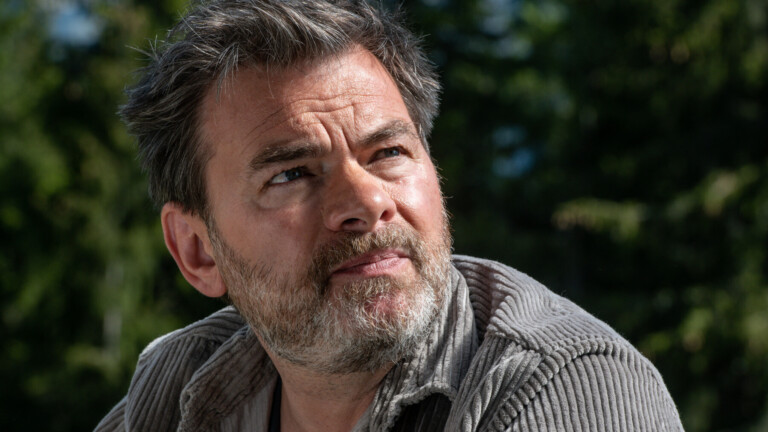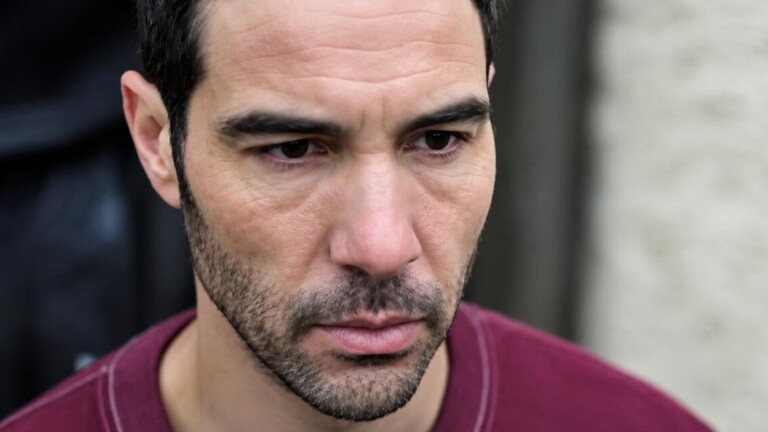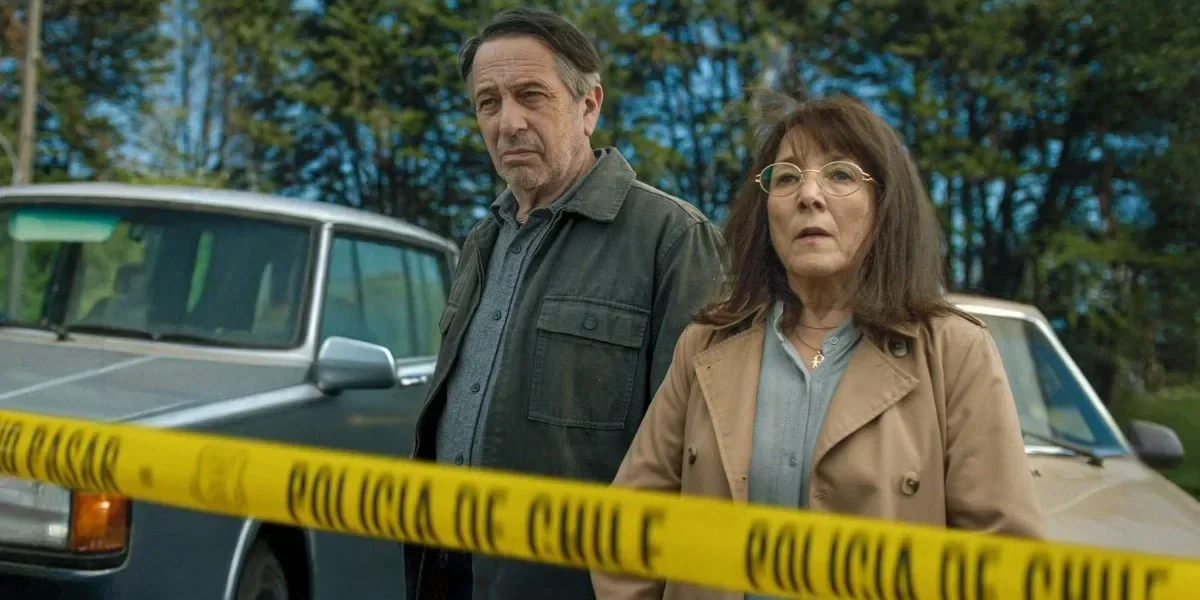
Available on Netflix since April 15, 2026, Someone Must Know (Alguien tiene que saber in the original version) is an eight-episode miniseries directed by Fernando Guzzoni and Pepa San Martin. It revisits one of the most painful criminal cases in recent Chilean history: the disappearance of Jorge Matute Johns, 23, on November 20, 1999, during a nightclub evening in Concepción, 500 kilometers south of Santiago. Despite the presence of more than 300 people that night, no one has ever been able to explain how the young man vanished without leaving a trace. His body was only found five years later, in 2004, near a highway. Toxicological tests performed on the exhumed remains revealed the presence of penthiobarbital, a barbiturate, confirming poisoning and definitively ruling out accidental drowning.
A fiction that takes liberties, a family still suffering
In the series, the main character is named Julio Montoya, a condition imposed by the Johns family, who ultimately accepted the project on the condition that no real names be used. But on April 2, Jorge Matute Johns’s mother revisited this agreement in an interview with the Chilean media Sala de Prensa, calling the production « violent towards my family » and emphasizing that she « did not want this series to be made. » The screenwriters indeed took several liberties with the facts: the gruff old inspector leading the investigation on screen is a fictional character, as is the priest bound by the seal of confession, two invented figures embodying themes of guilt, faith, and silence. In reality, the case was assigned to a group of police officers. The investigation, criticized for its slowness, experienced several twists: the confession and then retraction of a former nightclub employee in 2007, the arrest of several suspects in 2014, all released due to lack of evidence.
A system of silence at the heart of the story
What gives the series its strength, beyond the unresolved mystery, is the exploration of a culture of silence within a close-knit community where everyone knows each other. The title itself functions as a collective accusation: someone, among the hundreds of witnesses that night in November 1999, knows what happened. But no one ever spoke. On screen, this silence is embodied by characters with multiple secrets, a dubious medium, a professor with questionable morals, young people covering for each other. The two main roles are played by major figures of Chilean cinema: Alfredo Castro, often compared to Al Pacino, as the inspector, and Paulina García, actress, director, and playwright, as the grieving mother. Twenty-six years after the events, the Jorge Matute Johns case remains officially unsolved.