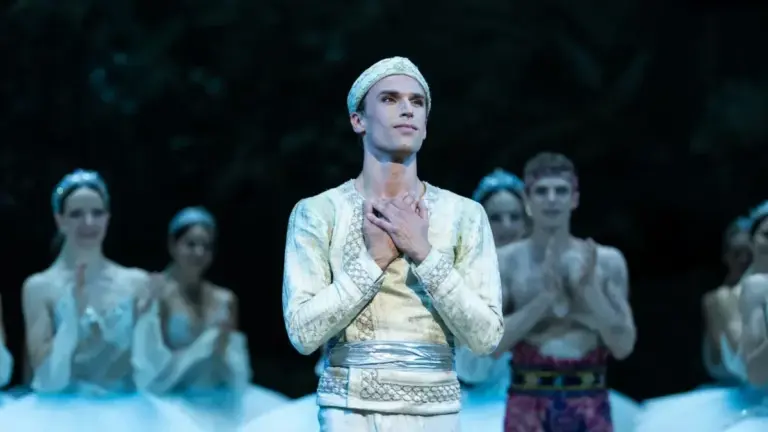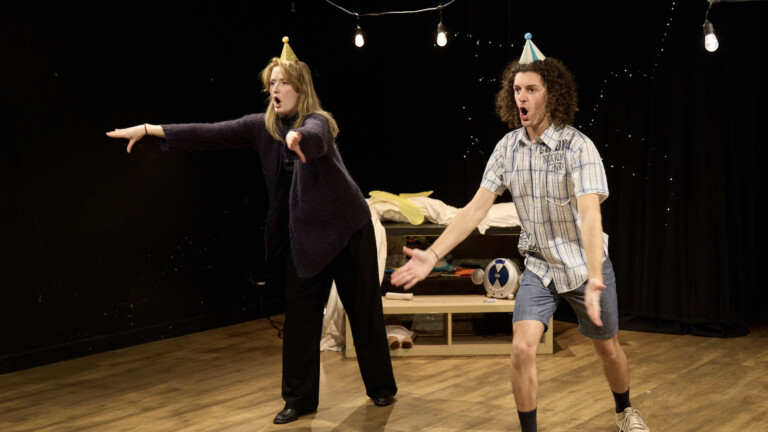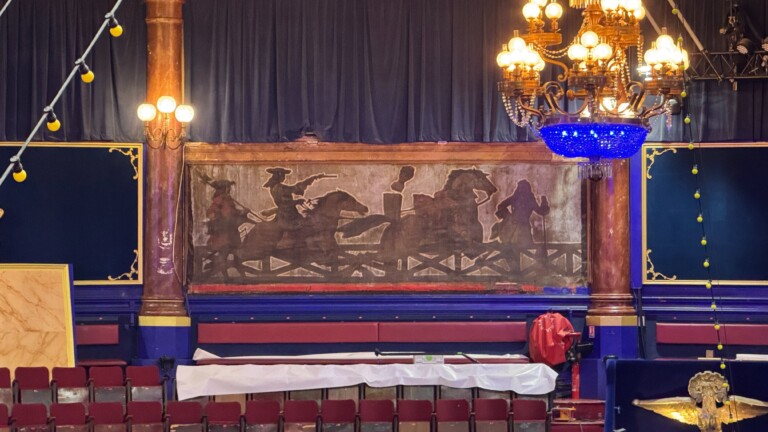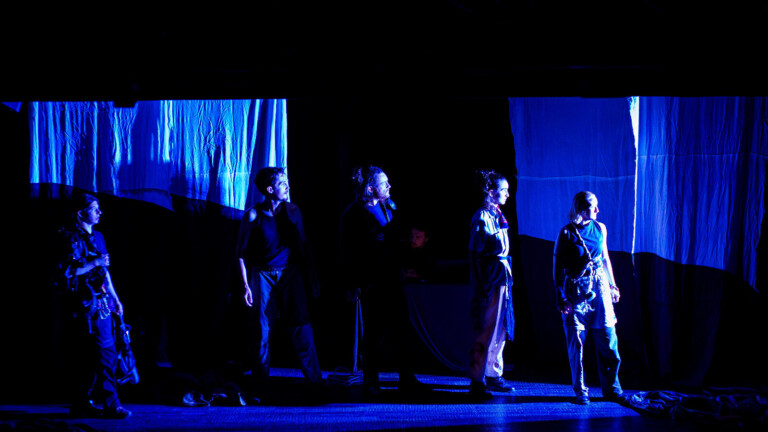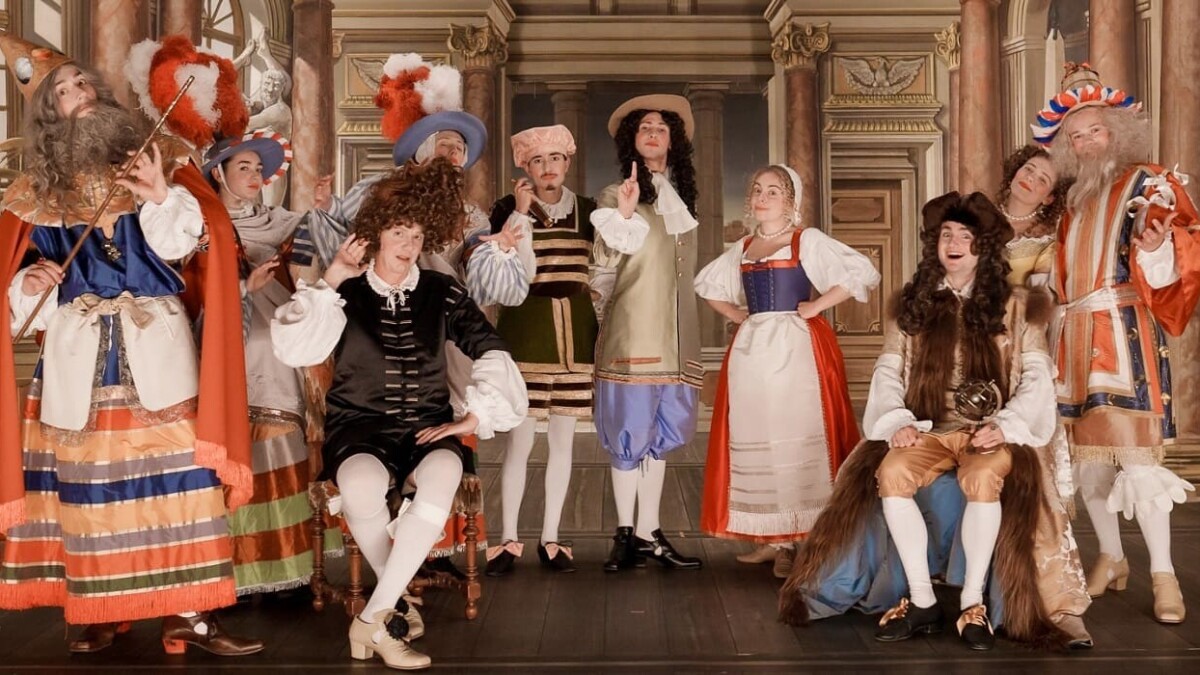
This Saturday evening in Le Havre, audiences will discover "The Astrologer, or False Omens," a comedy imagining what Molière might have written had he lived beyond 1673. The play, scheduled for 20:30 p.m. at the Théâtre de l'Hôtel de Ville as part of the "On the Shoulders of Giants" festival, is the result of nearly three years of collaboration between Sorbonne University, the Théâtre Molière Sorbonne, and the artists' collective Obvious. Artificial intelligence plays a role not only in the writing but also in the design of the costumes, sets, and music. The project openly embraces this method, with a clearly experimental approach rather than an attempt to present the text as a rediscovered work by Molière.
The system is far more sophisticated than a simple request to a chatbot. Researchers gathered Molière's plays, texts from his era, and references from his library to guide a model developed by Mistral AI. Obvious then created prompts designed to reproduce certain mechanisms of 17th-century syntax, dramaturgy, and humor. Each generated scene was reviewed, discussed, and corrected by specialists in literature, linguistics, and classical theater. Sorbonne University explicitly presents the project as a "co-creation" between technology and human expertise. The play had already been unveiled in May at the Royal Opera of the Palace of Versailles before this new performance in Le Havre.
AI that is embraced rather than concealed
This transparency gives the project particular resonance just days after the Thélyson Orélien affair. The author of "It Was This or Die" is at the heart of a controversy after several analyses attributed a significant portion of his novel to artificial intelligence. His Canadian publisher, Boréal, suspended promotional activities while specifying that no AI had been used in its own editorial work and that it was seeking to document the prior creative process. The author denies the accusations. The controversy therefore centers as much on the potential use of the technology as on the alleged lack of information provided to readers and publishers.
“The Astrologer” presents precisely the opposite situation. Here, no one claims that the text emerged untouched from the pen of a human author. The tool, the data that feeds it, and the researchers' involvement are documented from the outset of the performance. This choice shifts the debate: it is no longer a question of determining whether a machine has surreptitiously replaced an author, but rather of understanding the extent to which it can contribute to a creative work when this contribution is known to the public. The Théâtre Molière Sorbonne, moreover, emphasizes the interdisciplinary nature of the experience, where specialists of the Grand Siècle, actors, craftspeople, musicians, and digital artists all retain a crucial role in the final result.
An experience that nonetheless raises the question of authorship
Transparency, however, does not resolve all the questions. To say that a text is "in the style of Molière" implies transforming an entire work into learning material, then deciding which features truly constitute his style. AI can reproduce structures, turns of phrase, or certain comedic mechanisms, but the choice of sources, instructions, and corrections remains human. The final work is therefore less a "new Molière" than a contemporary interpretation of his writing, created using digital means. This is precisely what the project's creators acknowledge, referring to it as an original and "historically informed" work, not as an authentic play that has been rediscovered or reconstructed.
The Le Havre experience thus demonstrates that part of the conflict surrounding cultural AI now hinges on how its use is presented. In literature, film, music, and illustration, criticism becomes particularly fierce when technology is suspected of having replaced human labor without the public's knowledge. "The Astrologer or False Omens," on the other hand, chooses to make AI the very subject of the experiment and to reveal the creative process. This doesn't preclude aesthetic debate or questions about the author, but it allows the viewer to judge the work with full knowledge of the facts. After several controversies in which AI appeared as a tool to be concealed, this play therefore defends a different hypothesis: artificial intelligence can enter culture without pretending to be something it is not.