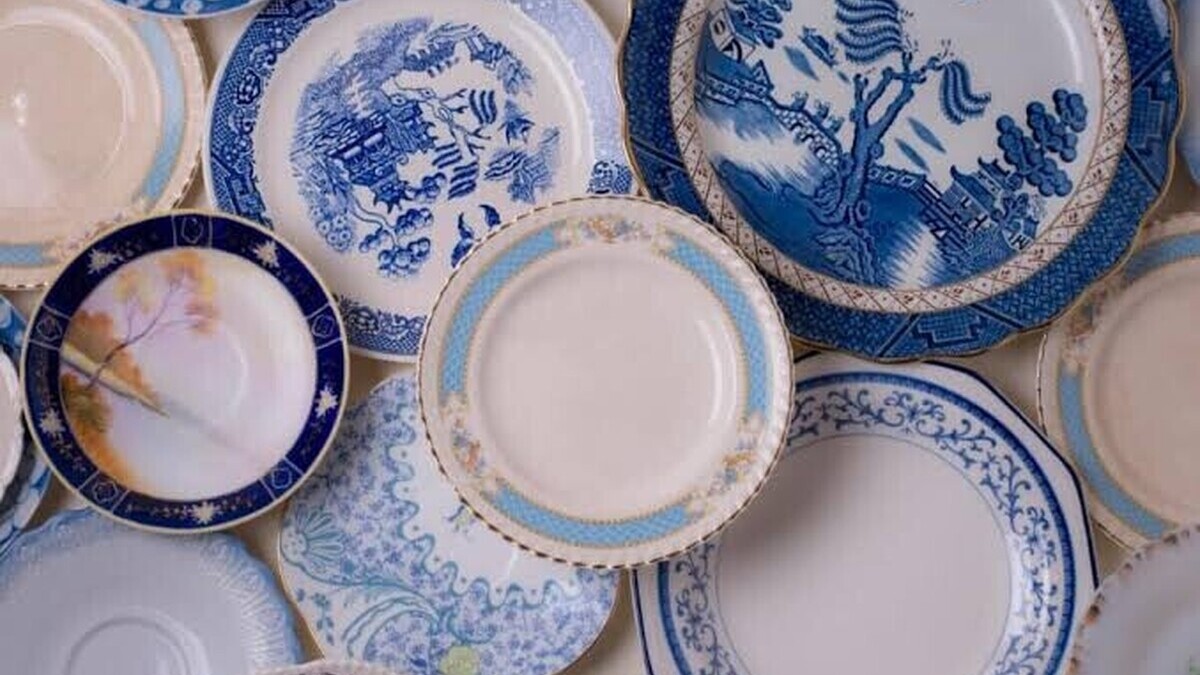
A symbol of French luxury and craftsmanship for over two centuries, Limoges porcelain continues to captivate tableware enthusiasts and leading international brands. Behind its delicate plates, refined decorations, and exceptional whiteness lies a thriving industry. With nearly 1,200 jobs and over €100 million in revenue, the sector now faces several challenges: preserving its artisans, controlling production costs, and defending its authenticity against foreign competition.
Limoges porcelain has a history intimately linked to that of French industry. It all began in 1768, when significant deposits of kaolin were discovered near Saint-Yrieix-la-Perche, in the Haute-Vienne region. This white clay, essential for the production of hard-paste porcelain, allowed the region to gradually develop a manufacturing activity that would bring it international renown. Throughout the 19th century, workshops multiplied around Limoges, attracting workers, decorators, and entrepreneurs. Production improved, and French manufacturers acquired a reputation based on the finesse of their pieces, their durability, and the quality of their decoration. Even today, historic houses like Bernardaud and Haviland perpetuate this tradition, while new designers explore contemporary forms. Porcelain is no longer limited to tableware: it also finds its place in decoration, design, and artistic creations.
Manufacturing a piece of porcelain remains a particularly demanding process. The porcelain paste, composed primarily of kaolin, feldspar, and quartz, must be prepared, shaped, dried, and then fired at very high temperatures. Each step requires significant technical expertise. After the first firing, the pieces can be glazed, decorated, and fired again depending on the techniques used. The slightest defect can lead to their rejection or destruction. Behind a simple cup or plate, therefore, lie several trades: modelers, molders, turners, glazers, decorators, and kiln specialists. Some techniques require years of training. This artisanal dimension explains, in particular, why high-end porcelain commands prices far exceeding those of mass-produced, industrially manufactured tableware. For the manufacturers of Haute-Vienne, the transmission of these skills is thus as important as the marketing of their products.
Between European recognition and economic challenges, a know-how to preserve
Limoges porcelain now benefits from enhanced protection. Since December 1, 2017, it has held a French geographical indication (Indication Géographique Protégée) approved by the French National Institute of Industrial Property (INPI). This recognition regulates the use of the name and reserves it for products meeting specifications linked to the Haute-Vienne department. A further milestone was reached in May 2026, when Limoges porcelain became the first French artisanal and industrial geographical indication registered at the European level. The aim is to better protect manufacturers against the misuse of the name and to guarantee consumers the origin of the products. The sector currently represents nearly 1,200 direct jobs and an estimated annual turnover of over €100 million. A significant portion of its production is destined for export, particularly to markets where the French art of living and luxury goods remain highly attractive.
Despite this recognition, manufacturers must contend with intense international competition. Industrial products from Asia or other European countries often offer much more affordable prices, forcing French manufacturers to defend their positioning based on quality, creativity, and authenticity. The cost of energy also represents a major challenge for an industry using very high-temperature furnaces. Added to this are the investments required to modernize equipment, environmental regulations, and the recruitment of qualified professionals. For companies, the challenge lies in maintaining competitive production without abandoning the techniques that have made Limoges famous. Geographical protection is an advantage, but it is not enough to guarantee the economic viability of each workshop. Market access and the ability to attract new generations of consumers remain essential.
French luxury relies on tradition, but also on innovation.
To remain competitive in international markets, manufacturers are seeking to reinvent their image. Alongside traditional tableware, contemporary collections, collaborations with designers, and decorative objects are gaining increasing prominence. Porcelain is becoming a medium for creation that extends far beyond its domestic use. Some companies work with chefs and gastronomic establishments, while others develop pieces for luxury hotels or collectors. This diversification allows them to showcase their expertise while reaching new audiences. It also helps maintain industrial activity in a region where porcelain production remains a strong element of local identity.
The future of Limoges porcelain will therefore depend on its ability to combine heritage and economic transformation. The European recognition obtained in 2026 strengthens its visibility and offers new ways to combat imitations, but the question of passing on the crafts remains central. Training young artisans, modernizing production tools, and encouraging innovation will be essential to preserving this historic industry. In a market where standardized objects occupy a significant place, Limoges porcelain champions a different approach to manufacturing: that of a product designed to last, based on precise skills and a strong regional identity. More than 250 years after the discovery of kaolin in Haute-Vienne, this "white gold" remains one of the most recognizable symbols of French manufacturing excellence.