
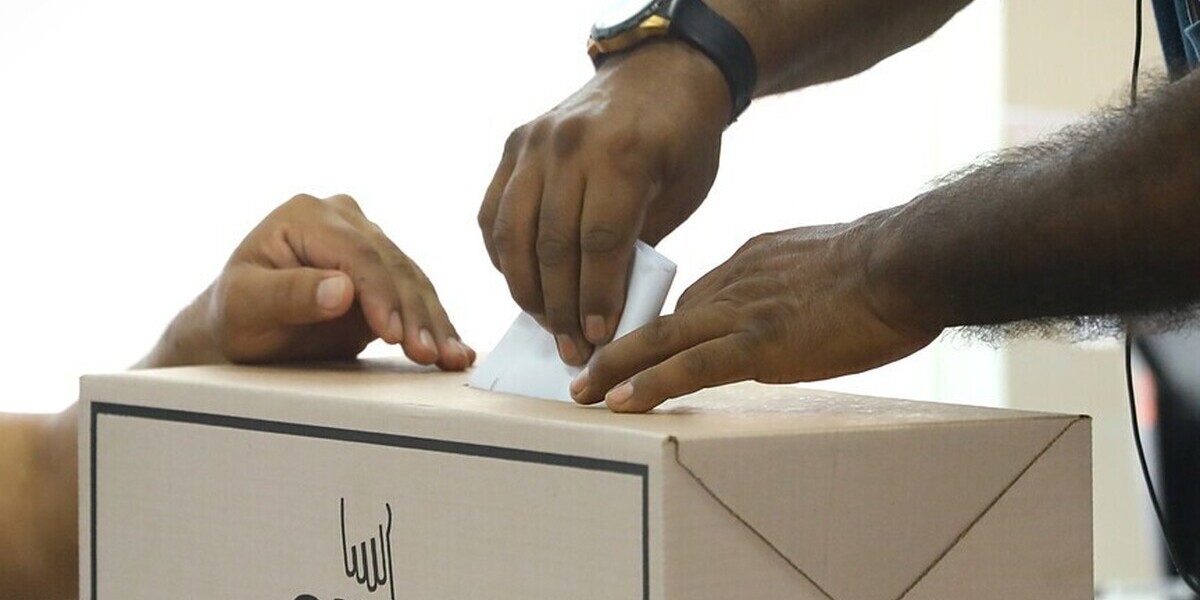
Peruvians are going to the polls this Sunday for the second round of the presidential election that will determine the head of state for the 2026-2031 period. The election pits right-wing candidate Keiko Fujimori against left-wing candidate Roberto Sánchez.
Having come out on top in the first round of voting held on April 12, Keiko Fujimori, daughter of former president Alberto Fujimori, is attempting to win the presidency after several electoral defeats. She is leading a campaign focused on security, economic recovery, and support for investment.
Facing her, Roberto Sánchez is defending a program centered on social justice, greater state intervention in certain strategic sectors and a reform of the Constitution adopted under the presidency of Alberto Fujimori in 1993.
The election is taking place in a particularly tense context. Peru has been experiencing a chronic political crisis for several years, marked by significant institutional instability. Eight presidents have succeeded one another in the last decade, fueling distrust of a segment of the population towards the institutions.
Security is one of the main concerns of voters. The rise in organized crime, extortion, and violence has placed this issue at the heart of the election campaign, even ahead of corruption and economic difficulties.
Keiko Fujimori promises to strengthen the powers of the security forces and intensify the fight against organized crime, drawing inspiration in particular from some of the measures implemented by Nayib Bukele in El Salvador. She also wants to facilitate mining investments and attract more foreign capital.
Roberto Sánchez, for his part, believes that the fight against insecurity also requires reducing poverty and unemployment. He proposes increased state control over natural resources and large corporations, while also advocating for the creation of a Constituent Assembly.
The latest polls published before the vote show an extremely close race. Available averages give Keiko Fujimori around 50,4% of the vote compared to 49,6% for Roberto Sánchez, a difference of less than one point that suggests a very close result.
Observers expect the votes of undecided voters and participation in rural areas to play a decisive role in the outcome of this election, considered one of the most uncertain in Peru's recent history.


Community
Comments
Comments are open, but protected against spam. Initial posts and comments containing links undergo manual review.
Be the first to comment on this article.