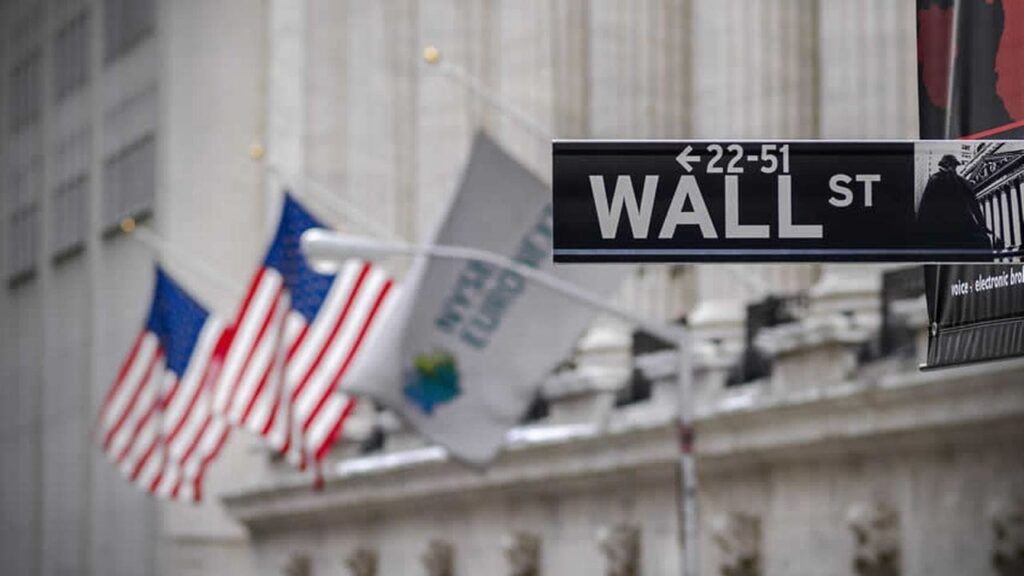
NEW YORK — Wall Street closed sharply higher Friday, recording its ninth consecutive session in the green—its longest winning streak since 2004. The stock market rebound, fueled by positive jobs data and hopes of an easing in the trade war with China, allowed markets to regain all the ground lost since President Donald Trump launched tariff escalation. Donald Trump At the beginning of April.
The S&P 500 index climbed 1,5%, the Dow Jones Industrial Average rose 1,4% (582 points), and the Nasdaq Composite added 1,5%. By mid-session, the gains were even sharper, with the Nasdaq up 1,8% and the S&P 500 on track for its longest winning streak in two decades.
Labor market figures released Friday were better than expected: employers added 177 jobs in April, a slowdown from March but ahead of analysts' forecasts. However, these data do not yet take into account the economic impact of Trump's new tariffs. Most of these measures, except those targeting China, have been postponed for 000 days.
The technology sector led the gains, despite a 4% drop for Apple, which estimated that the tariffs will cost it $900 million. Microsoft rose 2,6%, and Nvidia 3%. Financial stocks also supported the trend, with JPMorgan Chase up 2,4% and Visa up 1,3%.
According to Chris Zaccarelli, chief investment officer at Northlight Asset Management, “If the Trump administration comes back to the forefront in July after the truce expires, the markets are likely to react as violently as they did in early April.” The S&P 500 fell 9,1% in one week.
Since then, the stock market has rebounded thanks to solid corporate results, hopes of a de-escalation in trade with Beijing, and expectations of rate cuts from the Federal Reserve. Economic growth remains fragile: US GDP contracted by 0,3% in the first quarter, impacted in particular by a sharp rise in imports in anticipation of tariffs.
On the corporate side, Exxon Mobil closed slightly higher (+0,6%) despite profits at their lowest level in years. Chevron gained 1,6%. The sector continues to be penalized by the drop in oil prices, down 17% since the beginning of the year. A barrel fell below $60 this week.
On the other hand, Block (Cash App) fell 20,5% after reporting a drop in first-quarter profits due to a decline in consumer spending.
On the bond market, yields also rose: the 10-year rate rose to 4,32%, compared to 4,22% the previous day, reflecting investor optimism regarding the strength of the job market, despite a generally uncertain economic context.
The markets therefore remain precariously balanced between hopes for recovery and fears linked to Washington's trade policy, a few months before a summer that promises to be decisive for the American economy.