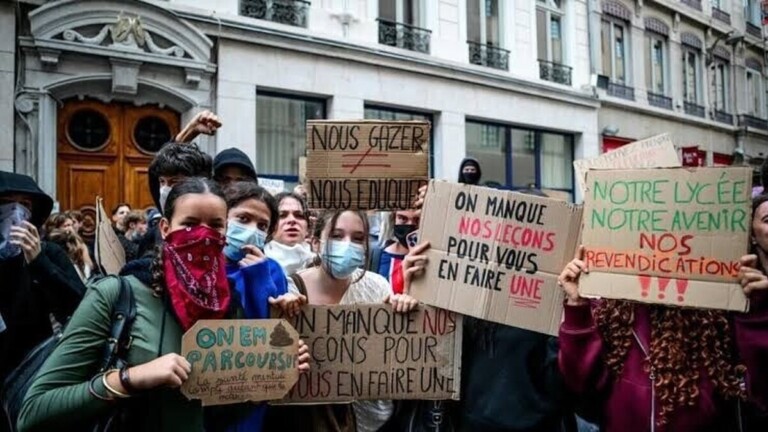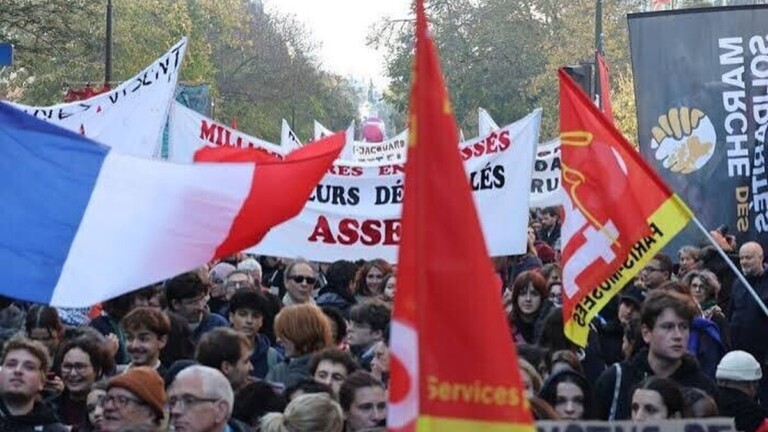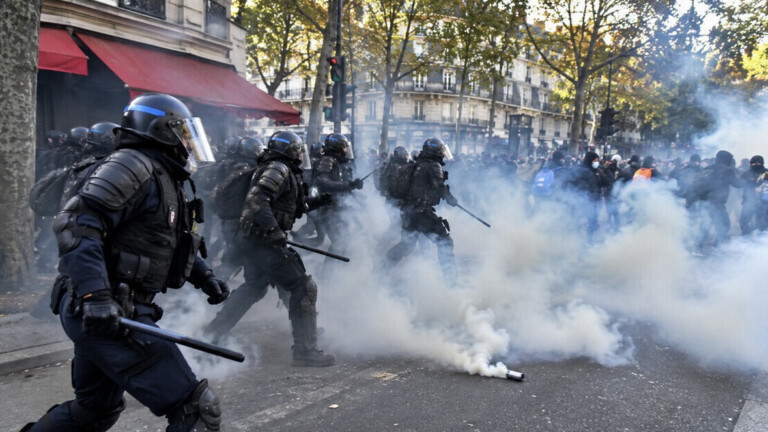
France is preparing to take a further step in its months-long standoff with a portion of its agricultural imports from South America. In response to the farmers' persistent anger, the government has announced the upcoming suspension of certain products containing residues of substances banned in the European Union. This decision, presented as a health and economic protection measure, remains contingent on approval from the European Commission . The announcement was made amidst a tense social and political climate. Since the end of 2025, agricultural protests have multiplied, denouncing what they consider unfair competition fueled by international trade agreements and differences in health standards between the European Union and certain exporting countries. French farmers are particularly critical of the use, outside the EU, of pesticides banned in Europe but whose residues remain tolerated in imports.
Targeted substances and an extensive product list
According to information released by the government, the French measure targets several active substances banned in the European Union , including mancozeb, glufosinate, thiophanate-methyl, and carbendazim. These products, used as fungicides or herbicides, are deemed incompatible with European health standards due to their potential effects on human health and the environment. Specifically, the suspension would affect a wide range of imported agricultural products, including tropical fruits such as avocados, mangoes, and guavas, as well as citrus fruits, grapes, apples, and certain fruits and vegetables produced outside Europe, such as melons, cherries, strawberries, and potatoes. French authorities intend to prevent the entry and sale of products whose residue levels exceed what they consider acceptable standards. The announced ministerial decree is expected to be published in the coming days. However, under European rules governing the internal market, France will need to obtain the European Commission's approval within approximately ten days. Without this approval, the measure could be challenged as an obstacle to the free movement of goods.
A response to agricultural anger and the Mercosur issue
This initiative is part of a broader movement to challenge trade agreements, particularly the one between the European Union and the Mercosur countries. Many farmers fear that this treaty will increase pressure on European agricultural sectors by encouraging the import of products from countries with less stringent environmental and health standards. For the French government, the announced suspension is intended as a strong political signal. Authorities explain that it is no longer acceptable for substances banned for European producers to reappear indirectly through imports. The stated objective is twofold: to protect consumers and to restore a degree of fairness between French producers and their foreign competitors. At the same time, the government promises to strengthen border controls, with the deployment of specialized teams tasked with verifying the compliance of imported products. This approach aims to demonstrate that France intends to apply existing health standards more strictly, given that it considers the European residue limits to be too permissive.
A European and diplomatic issue
Beyond the immediate response to the agricultural crisis, this decision raises broader questions about the European Union's trade and health policies. While France is advocating for stricter enforcement of standards, even calling for near-zero limits for certain substances, other member states fear diplomatic and trade tensions with exporting countries. The European Commission, for its part, is attempting to balance the protection of European agricultural sectors with respect for international agreements and World Trade Organization rules . Upcoming discussions will determine whether France can turn this national initiative into a European precedent. In the meantime, the announcement has been welcomed by some in the agricultural sector, who see it as a first concrete step after months of mobilization. It remains to be seen whether this suspension, if upheld, will be enough to permanently quell farmers' anger and influence European debates surrounding trade agreements and health standards.