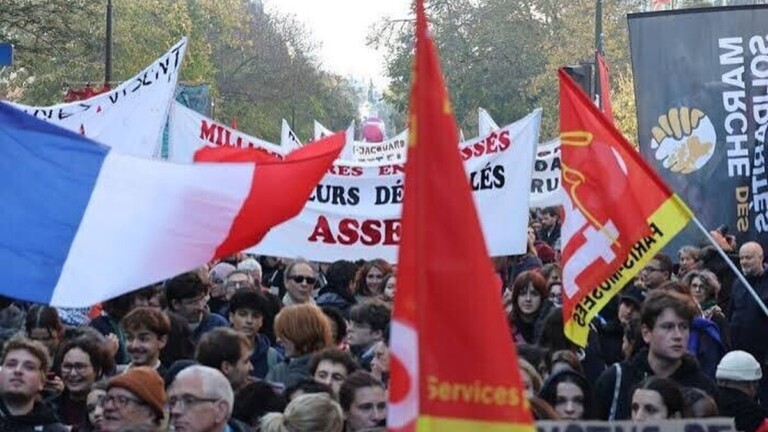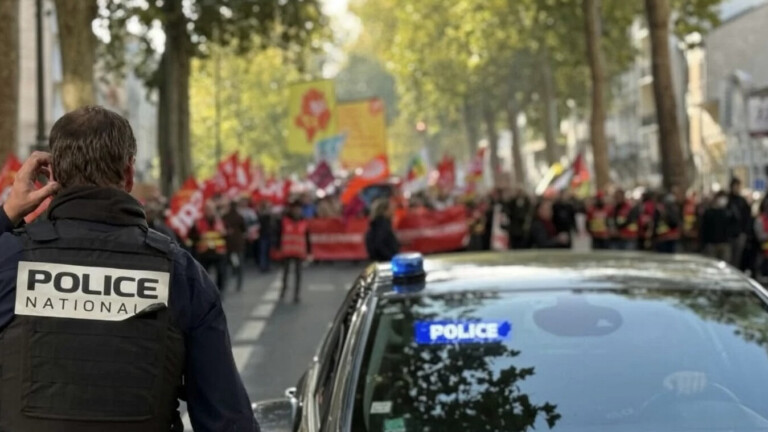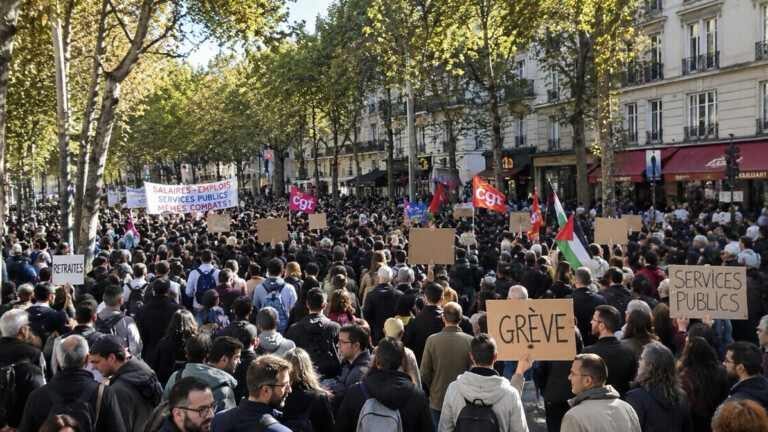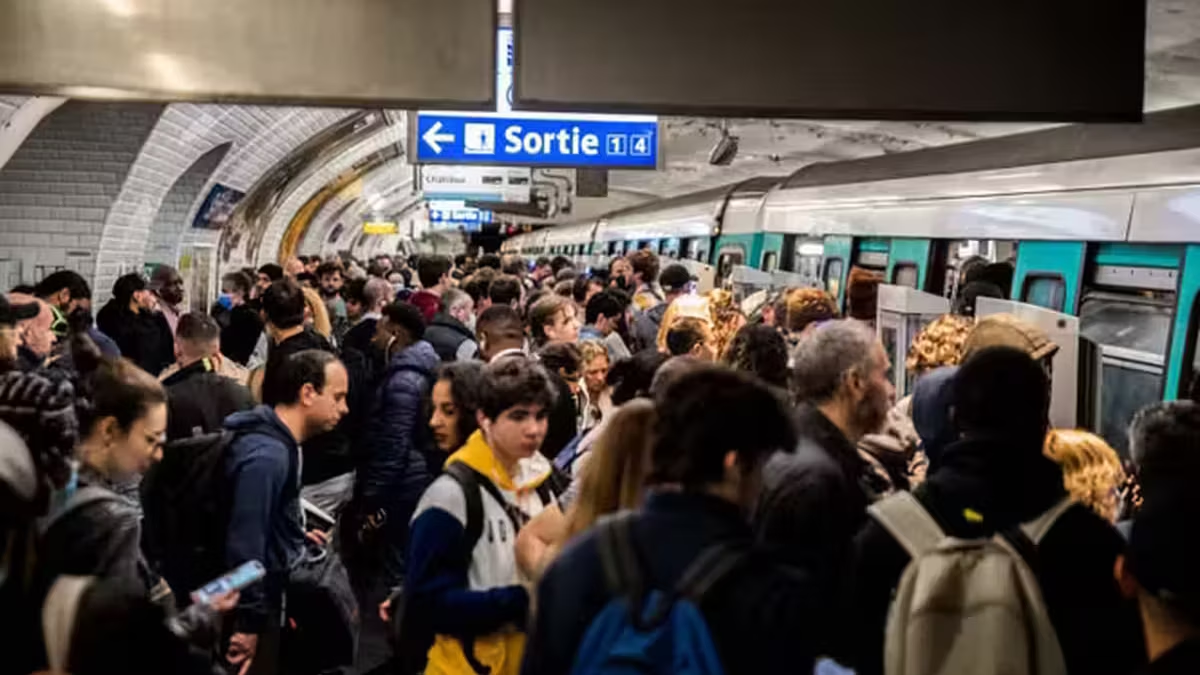
Next week could begin with tension on the Paris public transport network. The CGT union has filed a strike notice covering all RATP staff, starting Monday, September 28th at 7:00 PM, without specifying an end date. The union is placing the issue of purchasing power at the heart of its demands and considers the management's responses so far to be insufficient. The metro, RER, trams, and buses operated by the RATP could therefore be affected, although the true extent of the strike remains impossible to determine several days before it begins.
The open-ended nature of the strike notice gives the conflict a particular significance. It doesn't mean the entire network will automatically be paralyzed for several days, but it does allow employees called upon to strike to extend the action if negotiations fail. The level of disruption will depend primarily on the number of strikers across different job categories and lines. Drivers, station staff, maintenance personnel, and operational staff do not all have the same impact on the RATP's ability to maintain service.
A power struggle that will play out in the coming days
For travelers, the crucial moment will come with the first traffic estimates released as September 28th approaches. Some lines could operate almost normally, while others would be much more heavily impacted. Rush hour is the main concern for a region where several million journeys rely on public transportation every day. The 19 p.m. start date on Monday could make Tuesday, September 29th, the first real test day for the strike.
Beyond the disruptions, the conflict brings back to the forefront the issue of pay and the attractiveness of jobs at the RATP (Parisian public transport operator). Management must simultaneously address salary demands and preserve the continuity of a network already subject to high expectations regarding punctuality and service quality. Discussions in the coming days will therefore determine whether the strike notice will remain a means of union pressure or whether it will lead to a protracted conflict likely to impact travel in the Île-de-France region.