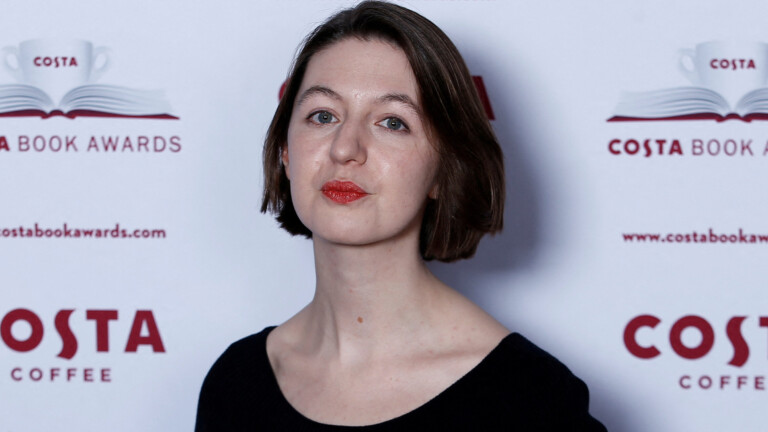
Journalist and novelist Lilia Hassaine won the 39th Prix Goncourt des Lycéens on Thursday, November 26, for her fourth novel, "Je," published by Gallimard . She succeeds Nathacha Appanah, who won the prize in 2025 for "La Nuit au cœur."
Meeting in Rennes , the twelve national delegates of the jury selected Lilia Hassaine after more than two months of readings and discussions. Nearly 2,000 students from 56 schools participated in this year's competition. The novelist prevailed over four other finalists: Louise Chennevière, Anne Godard , Olivier Grondeau, and Sylvain Prudhomme. The official award ceremony will take place this evening at the National Assembly.
In "Je" (I), published on August 20th, Lilia Hassaine revisits the world of "Jane Eyre," Charlotte Brontë's famous novel, by giving voice to Antoinette Cosway, Edward Rochester's first wife. The story begins in Jamaica in 1831 and traces the journey of a woman gradually deprived of her freedom. A blend of psychological thriller and Victorian novel, the book explores the mechanisms of control, domestic violence, and the silencing of women.
A new accolade for the former "Quotidien" journalist
Born in 1991, Lilia Hassaine first gained public recognition through her segments on the French television program "Quotidien" on TMC, before pursuing a literary career. Following "L'Œil du paon" (The Peacock's Eye) in 2019 and "Soleil amer" (Bitter Sun) in 2021, she won the Prix Renaudot des lycéens (Renaudot Prize for High School Students) in 2023 with "Panorama," a dystopian novel imagining a society in which individuals live under the constant gaze of others. She also hosted the literary program "Aux livres, etc." on France Inter radio.
Created in 1988 in Rennes by Fnac and the Ministry of National Education, under the patronage of the Académie Goncourt, the Goncourt des Lycéens is among the most influential literary prizes in terms of sales. This new distinction could therefore give a new commercial boost to Lilia Hassaine's novel, while confirming the former journalist's place in the French literary landscape.