

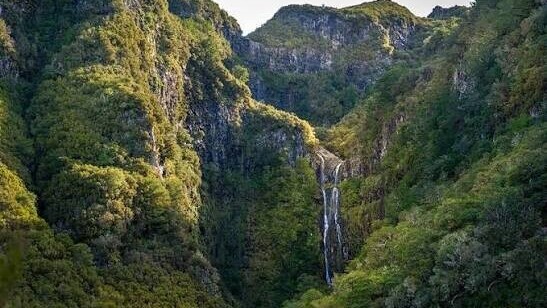
Long before becoming a tourist destination, Madeira was an uninhabited volcanic archipelago, lost in the Atlantic Ocean nearly 1 kilometers from mainland Portugal. Its geographical position was nevertheless known or suspected by some European navigators and cartographers before its official occupation by the Portuguese in the 000th century.
In 1418, João Gonçalves Zarco, Tristão Vaz Teixeira, and Bartolomeu Perestrelo reached Porto Santo. The following year, the Portuguese navigators landed on the main island, notably near the present-day town of Machico. They named it "Madeira," which means "woods" in Portuguese, in reference to the vast forest that then covered its territory.
Portuguese colonization and the rise of "white gold"
Colonization truly began in 1425, by order of King John I of Portugal. Families of the lesser nobility, peasants, and former prisoners were sent to the archipelago. The land was gradually cleared, and a vast network of irrigation channels, the "levadas," was built to bring water from the mountains to the cultivated areas.
Sugarcane, introduced from the Mediterranean, rapidly transformed Madeira's economy. In the 15th and 16th centuries, sugar, nicknamed "white gold," enriched landowners and made Funchal a major trading port. This prosperity also relied on the labor of enslaved Africans. Later, facing competition from plantations in São Tomé, the Antilles, and Brazil, Madeira's sugar production eventually declined.
From sugar to wine, Madeira opens itself to the world
From the 17th century onwards, vineyards gradually replaced sugarcane as the dominant agricultural activity. Madeira wine gained an international reputation thanks to its ability to withstand long sea voyages. Trade with England became particularly important, to the point that British merchants occupied a central place in the island's economy.
The archipelago's strategic location also attracted European powers. During the Napoleonic Wars, the British temporarily occupied Madeira to prevent it from falling into French hands. In the 19th century, the island also became a sought-after destination for wealthy travelers and those seeking health benefits from its mild climate, including several members of the European aristocracy.
Tourism is profoundly transforming the archipelago
In the 20th century, hotels, the port, and then the airport accelerated Madeira's opening up. Tourism gradually became the main economic driver, replacing a weakened agricultural sector. Funchal modernized, while the landscapes, the paths along the levadas, the cliffs, and the laurel forest attracted a growing number of European visitors.
The Carnation Revolution of 1974 ushered in a new political era. The Portuguese Constitution of 1976 recognized Madeira as an autonomous region, with its own government and legislative assembly. Today, the archipelago remains Portuguese and European, but asserts an identity shaped by six centuries of exchange, emigration, maritime trade, and adaptation to its isolation. Its history largely explains this unique blend of island traditions and international openness.



Community
Comments
Write a comment
Be the first to comment on this article.