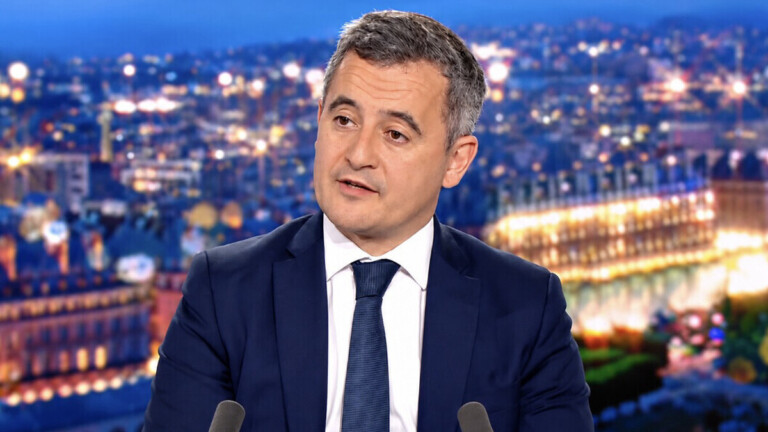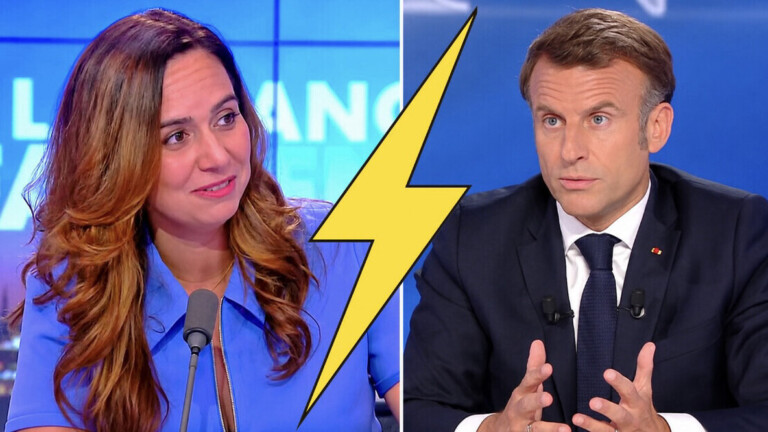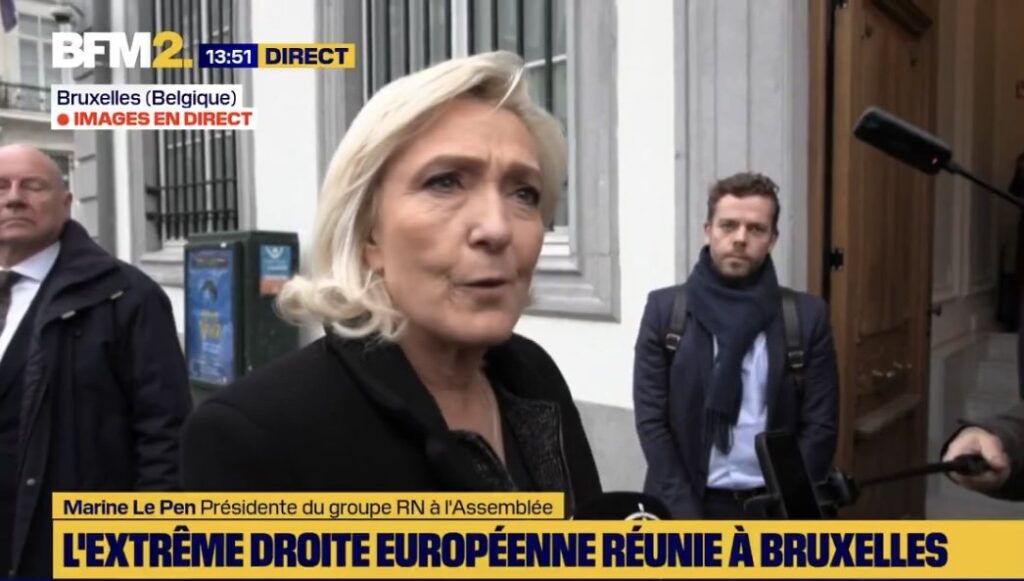
Pieyre-Alexandre Anglade, EPR deputy for French citizens in the Benelux countries and chairman of the National Assembly's European Affairs Committee, posted a tweet accusing Marine Le Pen of "exonerating" Vladimir Putin , on the grounds that she is questioning the strategy of Emmanuel Macron and Ursula von der Leyen on the Ukrainian issue. This attack is less about informing the French public than about reviving an old accusation of "complacency" whenever someone opposes escalation.
Because the remarks in question, recorded by BFM in Brussels on Wednesday, December 17, do not aim to exonerate Moscow. Marine Le Pen stated: " I have the feeling that Ms. Ursula von der Leyen, with the support, or even the complicity, of Emmanuel Macron, is doing everything to prevent this peace from happening. " This is a political critique of a European approach deemed counterproductive, far from absolving the Russian aggressor.
By disguising this criticism as "treason", Anglade shifts the debate: instead of responding to the substance, he seeks to make people believe that demanding a negotiated peace would amount to choosing Putin's side.
A smokescreen to avoid the central question
The question is not whether Russia bears initial responsibility for the conflict, but rather who is truly working towards a resolution, and who is instead fostering a climate of escalation that hardens Kyiv and makes any compromise politically impossible. For months, Macron's government, with its allies in Brussels, has been pushing a rhetoric of continental mobilization, serving a "European defense" project led by the Commission, with a logic of integration and spending that is increasingly escaping the democratic control of nations.
The recent events surrounding the statements of the Chief of the Defence Staff, General Fabien Mandon, illustrate this drift, as he called for "accepting the loss of our children" in the event of war. The fact that the Élysée Palace allows this martial rhetoric to flourish, while subsequently explaining that "fears should not be stirred up," speaks volumes about a strategy: to instill the idea of an inevitable threat, in order to make compliance, effort, and, in the future, sacrifices acceptable.
In this context, Pieyre-Alexandre Anglade's selective indignation resembles a diversionary tactic. He denounces the National Rally's (RN) alleged "complacency" with Moscow, without mentioning that in the European Parliament, RN members have repeatedly voted for aid to Ukraine, which contradicts the myth of a party that is inherently "pro-Putin." Some will understand the objective of Pieyre-Alexandre Anglade and Macron's party: to brand the RN with moral infamy in order to avoid the only question that matters—that of peace and the true cost of escalation.
Because ultimately, who is "exonerating" whom? By accusing Marine Le Pen of betraying France because she questions the Macron-von der Leyen line, Macron's party is demanding a blank check: to Brussels for integration, to Paris for posturing, and tomorrow to the French for the consequences. Peace, however, cannot be decreed with indignant tweets. It is built, or we give up on building it. And it is precisely this giving up that many are beginning to see.