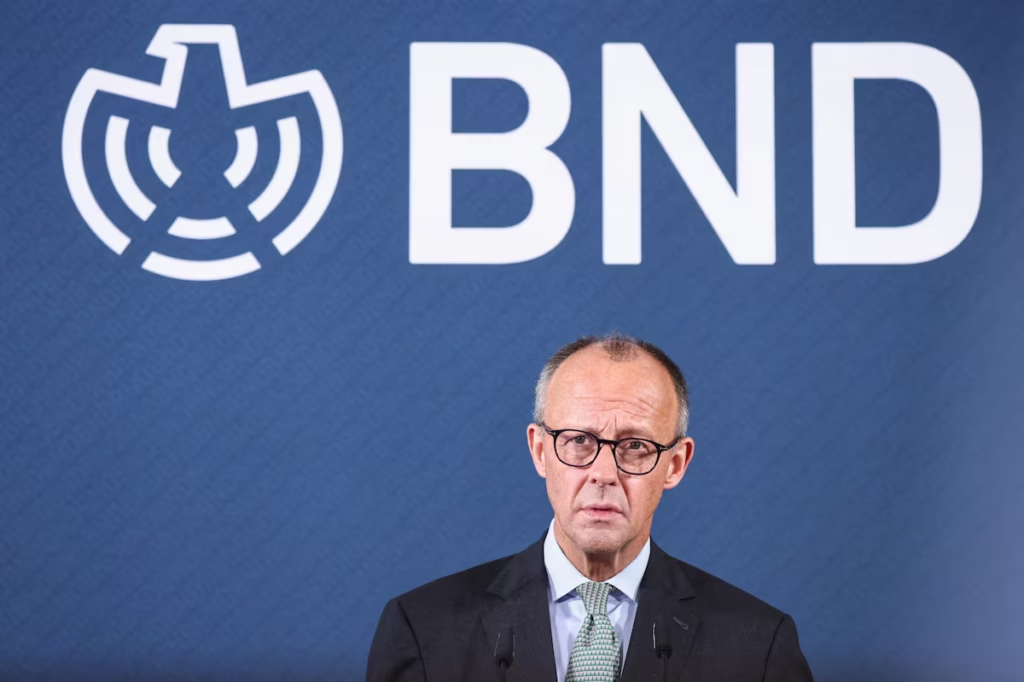
German Chancellor Friedrich Merz will face his first major test at the polls since taking office on Sunday, in regional elections in North Rhine-Westphalia, the country's most populous state.
This election, closely watched nationally, highlights the rise of the Alternative for Germany (AfD), which is recording record poll results. The rise of the far-right party complicates the formation of majorities, as other parties have so far ruled out any alliance with it.
Merz, the CDU leader and now chancellor, had promised to curb the AfD's rise. But the economic climate, marked by concerns about inflation, the energy transition, and migration policy, is weakening both conservatives and the SPD, providing fertile ground for the nationalist party.
North Rhine-Westphalia, Germany's industrial and demographic powerhouse, is traditionally considered a political bellwether. A success for the AfD in this state would strengthen its influence at the federal level and put pressure on Merz from the start of his term.
Beyond the local issues, this election is seen as a major test of the chancellor's ability to maintain a stable coalition and contain the far right, which is now firmly established in the German political landscape.