

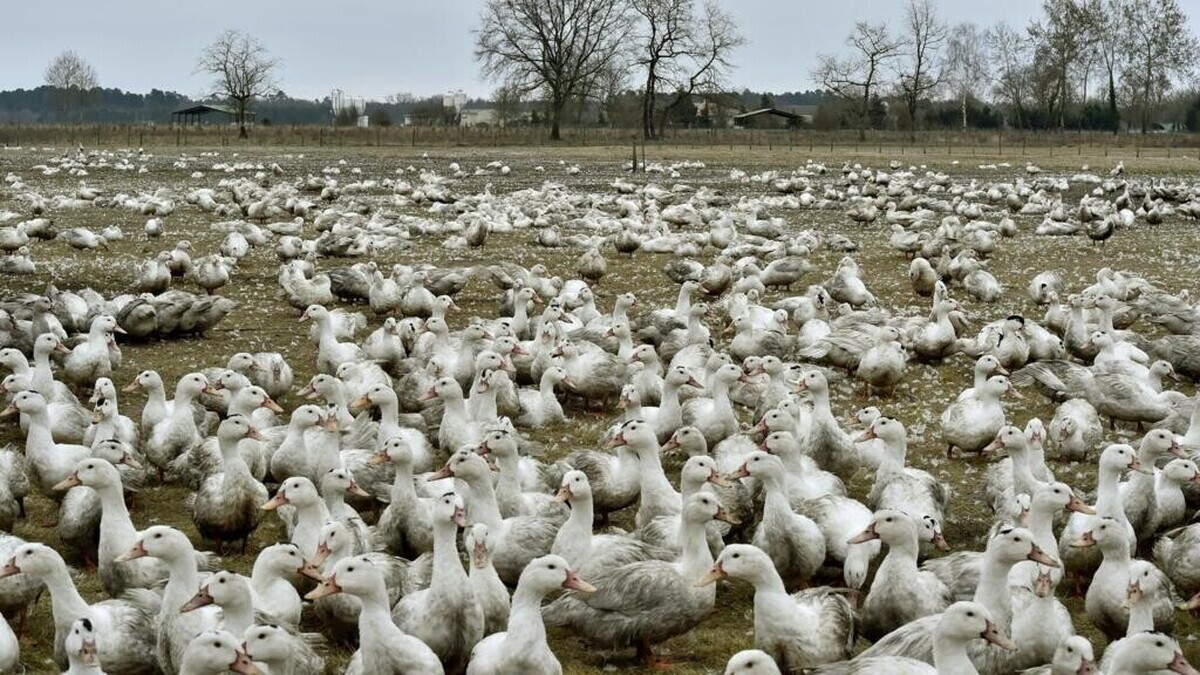
In response to the spread of highly pathogenic avian influenza, France has raised its risk level to "high" across the entire mainland. This decision entails stricter preventative measures on poultry farms, including sheltering birds and restrictions on certain gatherings. Authorities are seeking to limit the transmission of the virus between wild birds and domestic animals.
Health vigilance is being stepped up in French poultry farms. Authorities have decided to raise the risk level for highly pathogenic avian influenza, commonly known as bird flu, to "high." This decision comes in the context of the virus circulating among wild birds, a situation that is particularly concerning during migration periods. The movement of numerous species between different regions of Europe facilitates the spread of pathogens and increases the opportunities for contact with domestic poultry. Farms located near wetlands, bodies of water, or migratory corridors are particularly exposed. Raising the risk level is a preventative measure intended to reduce the likelihood of the virus being introduced into poultry farms and to prevent the spread of outbreaks. It does not mean that all French farms are infected, but rather reflects a worsening of the health risk as assessed by the authorities.
Moving to the "high" alert level triggers the implementation of enhanced biosecurity measures. Poultry must be kept indoors to limit their contact with wild birds that could carry the virus. Specific procedures may vary depending on the type of farm and any exemptions provided for in the regulations. Bird owners are also required to strengthen precautions regarding feeding, watering, equipment cleaning, and the movement of people or equipment. Gatherings of birds are subject to restrictions, as are certain activities involving the transport or display of poultry. These measures also apply to small family farms, whose owners must take care to protect their animals. The goal is to prevent contamination from wild birds from spreading rapidly within farms.
A health and economic threat to the poultry industry
Avian influenza poses a significant risk to poultry producers. Highly pathogenic viruses can cause high mortality rates in certain species and lead to substantial economic losses. When an outbreak is confirmed on a farm, strict sanitary measures may be imposed, including the culling of affected animals, disinfection of facilities, and the establishment of restricted zones around the farm. These interventions aim to prevent the spread of the virus, but they can cause lasting disruption to producers' operations. France has already experienced several major outbreaks of avian influenza, particularly in regions with significant duck and poultry production. The consequences can affect farmers, processing companies, and the entire supply chain. Strengthening preventive measures aims precisely to limit these disruptions.
Vaccination is now another tool in the fight against the disease. Since 2023, France has implemented a vaccination strategy for farmed ducks, according to procedures defined by the health authorities. This policy aims to reduce the spread of the virus and protect a particularly vulnerable sector. However, it does not replace biosecurity measures, which remain essential to limit contamination. Veterinary surveillance, controls, and the rapid reporting of suspected cases also play a crucial role. Farmers are urged to report any abnormal mortality or any symptoms suggestive of the disease without delay. The spread of the virus among wild birds remains difficult to control, which necessitates continued vigilance.
For the general population, the health risk associated with avian viruses currently monitored in Europe remains considered low, although certain exposure situations require special precautions. Authorities reiterate that avian influenza is not transmitted through the consumption of poultry meat or properly prepared eggs. However, individuals who discover dead wild birds are urged to avoid all direct contact and report their presence to the relevant authorities. Raising the risk level is therefore a protective measure primarily intended for poultry farms and the poultry industry. The coming weeks will be crucial for monitoring the evolution of viral circulation and assessing the effectiveness of the measures implemented. In the immediate future, the priority remains preventing contamination and protecting French farms.





Respond to the article
Be the first to comment on this article.