

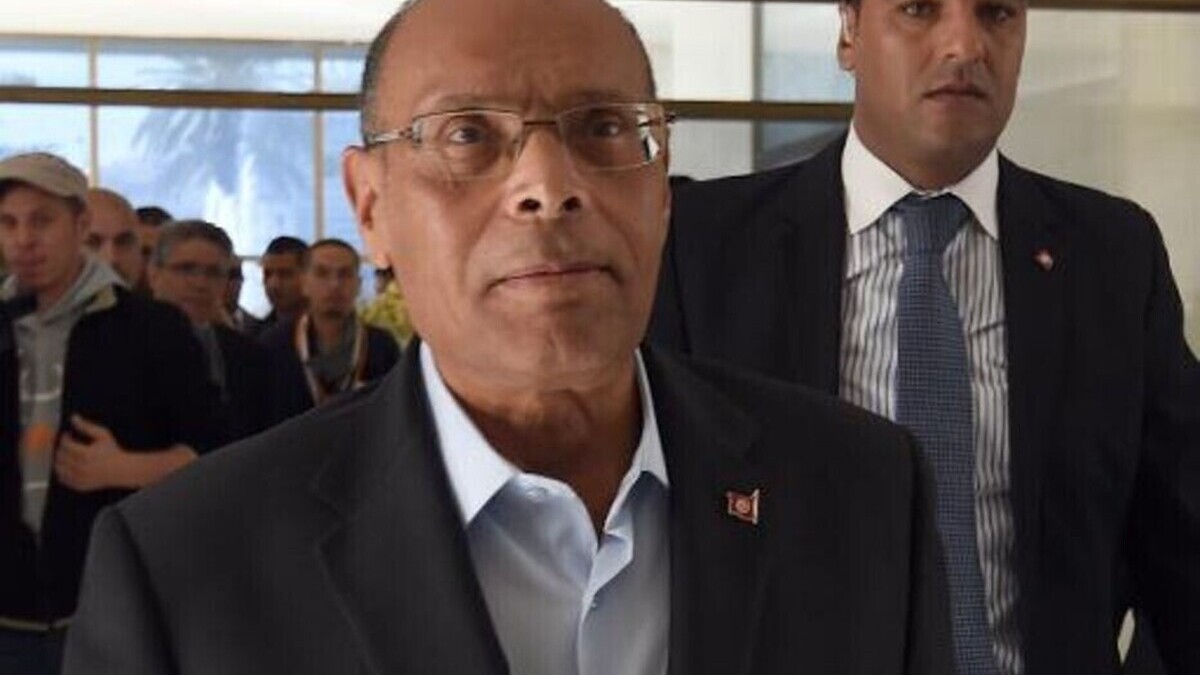
Diplomatic tensions between Tunis and Paris have taken a new turn. The Tunisian Ministry of Foreign Affairs announced it had summoned the French ambassador after a French public television channel broadcast an interview with an individual wanted by Tunisian authorities. Without explicitly naming the media outlet or its guest, the Tunisian authorities appear to be referring to a recent interview given by former president Moncef Marzouki to France 24.
In a statement, Tunis denounced an "unacceptable act of interference," arguing that the broadcast undermines the sovereignty of the Tunisian state, its institutions, and its national security. The government also accused its interlocutor of making remarks tantamount to incitement to sedition and internal conflict.
Tunis blames France
Tunisian authorities also accuse French public media of broadcasting content hostile to the Tunisian state. They believe that the public nature of the media outlet in question engages France's "moral responsibility" and are asking Paris to take the necessary measures to prevent the recurrence of such content.
This summons comes amid already strained relations between the two countries, marked by recurring criticism from Tunis of certain French media and political stances on the internal situation in Tunisia.
Moncef Marzouki denounces a serious political crisis
Moncef Marzouki, President of Tunisia between 2011 and 2014, now lives in exile in France. A vocal opponent of President Kaïs Saïed, he has been convicted several times by the Tunisian courts, notably on charges related to state security, decisions which he contests.
In interviews with France 24, he described Tunisia as experiencing a "political crisis of exceptional gravity" and suggested that the country could undergo profound upheaval. These statements provoked strong reactions among supporters of the regime.
Since the institutional power grab of July 2021, which allowed Kaïs Saïed to concentrate the main executive and legislative powers, several international human rights organizations, including Amnesty International, have been warning of a deterioration of public freedoms and the rule of law in Tunisia.




Community
Comments
Write a comment
Be the first to comment on this article.