

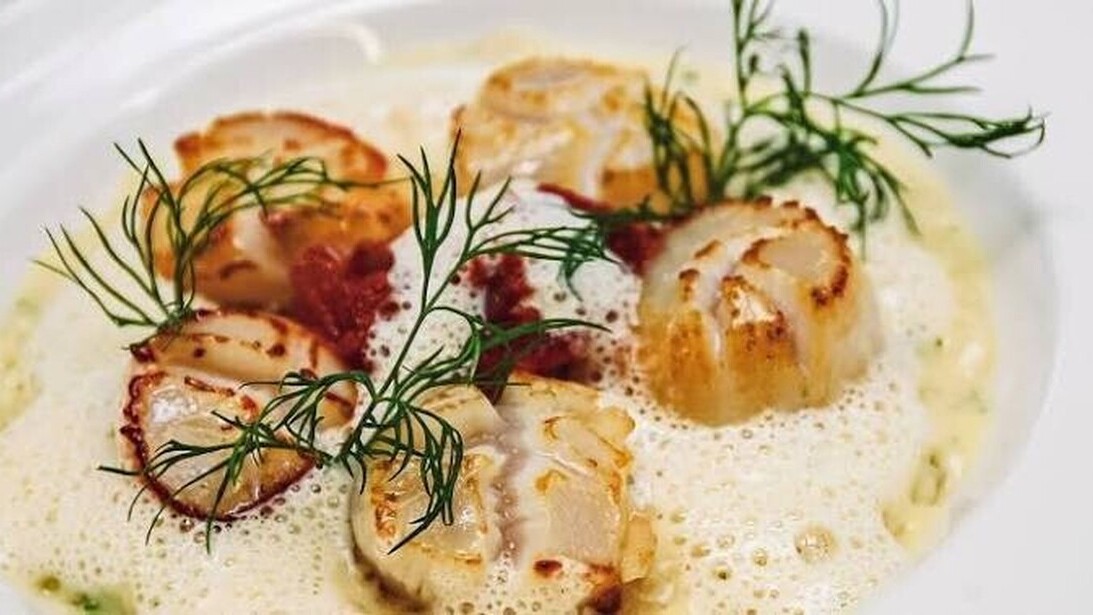
An iconic product of the French coast, the scallop holds a special place in French gastronomy. From Brittany to Normandy , this mollusk, prized for its delicate flesh, sustains an entire fishing industry and inspires the greatest chefs. Behind this festive delicacy lies a maritime, economic, and culinary heritage passed down through generations.
With its fan-shaped shell and delicate white meat, the scallop is one of the most prized products of French gastronomy. Present on holiday tables and in fine dining restaurants alike, it is distinguished by its slightly sweet flavor and its versatility in preparation. Whether pan-fried briefly in butter, served as carpaccio, au gratin, or accompanied by a leek fondue, it holds a place of honor in French culinary traditions. Its history, however, extends far beyond the culinary realm. Since the Middle Ages, its shell has been associated with the pilgrimage to Santiago de Compostela, of which it has become one of the most recognizable symbols. This historical dimension contributes to making this shellfish a familiar element of European cultural heritage.
In France , scallop fishing is particularly important in the English Channel, notably in the Bay of Seine, off the Normandy coast, as well as in several areas of Brittany. The ports of Port-en-Bessin, Dieppe, Saint-Quay-Portrieux, and Erquy have a long-standing connection with this maritime activity. Each year, the opening of the fishing season is an event eagerly awaited by professionals and residents of these areas. Scallops are primarily harvested using dredges, in accordance with regulations designed to preserve the resource. Opening dates, quotas, minimum sizes, and permitted days vary depending on the fishing grounds. This system aims to ensure the renewal of scallop populations while maintaining an essential economic activity for the ports involved.
A gastronomic tradition blending popular recipes and haute cuisine
The scallop also owes its reputation to the diversity of recipes that accompany it. In home kitchens, it is often prepared with butter, cream, mushrooms, or a white wine sauce, then baked in its shell. This traditional presentation remains associated with Christmas and New Year's meals. In Brittany , it may simply be pan-fried in salted butter, while other preparations favor seasonal produce, such as leeks, celery, or squash. Contemporary chefs also appreciate its delicate texture and quick cooking time. A few moments in the pan are generally enough to obtain a lightly browned surface while retaining tender flesh. Overcooking, on the other hand, can make the scallop firm and rubbery.
Its popularity also rests on the quality of the fresh product, sought after by restaurateurs and consumers alike. When sold whole, the scallop allows for the recovery of the meat, but also the coral when present. This coral, which varies in color from orange to red, can be used in the preparation of sauces or garnishes. It is important, however, to distinguish the true European scallop, Pecten maximus , from other scallop species sometimes sold under similar names. For consumers, the geographical origin, the scientific name, and storage conditions are useful indicators when making a purchase. Choosing a seasonal and properly identified product also supports the work of French fishermen and fishmongers.
A maritime heritage that sustains coastal areas
Beyond its gastronomic value, the scallop represents a significant economic asset for many coastal communities. Its harvesting involves crews, fish markets, processing companies, transporters, and fishmongers. Sales during the season contribute to port activity and the attractiveness of the regions. Several towns even organize festivals dedicated to this shellfish, combining tastings, meetings with fishermen, and opportunities to discover maritime professions. These events help to pass on traditional skills and gain recognition for an industry that must contend with rising operating costs, environmental requirements, and market fluctuations. They also serve as a reminder that iconic French culinary products are often inextricably linked to the regions that produce them.
Preserving this resource is now a major challenge. Professionals must reconcile consumer demand with the need to protect the seabed and ensure the renewal of stocks. Fishing regulations, scientific monitoring, and certain local management initiatives contribute to this objective. For consumers, choosing a clearly identified origin and respecting seasonality are ways to better understand the value of this product. At a time when French gastronomy seeks to preserve its traditions while responding to environmental challenges, the scallop embodies this link between the sea, the land, and cuisine. Far more than a refined dish reserved for special occasions, it remains the symbol of maritime expertise and a culinary tradition deeply rooted in French history.










Respond to the article
Be the first to comment on this article.