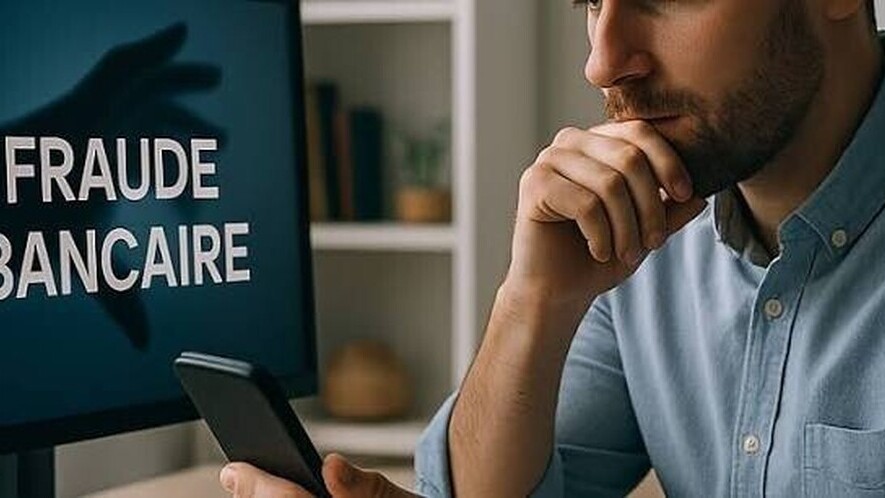
Fake bank advisors, alarming text messages, calls from spoofed numbers: fraudsters are using a growing number of methods to obtain their victims' confidential information. Some scams are now sophisticated enough to fool even the most vigilant individuals. Here are the main techniques used and the steps to take to protect your money.
Bank scams are no longer limited to emails riddled with spelling mistakes or obviously suspicious messages. Fraudsters are now using increasingly convincing methods to impersonate financial institutions. They can mimic the look of a bank website, send a text message seemingly from an official organization, or call individuals directly, claiming to be from their bank's anti-fraud department. Their goal remains the same: to obtain confidential codes or convince the victim to authorize a fraudulent transaction themselves.
One of the most common techniques involves creating a sense of urgency. The individual receives a call informing them that a suspicious transfer has just been detected on their account. The caller explains that they must act immediately to block the transaction. To bolster their credibility, the scammer may know their name, phone number, or certain personal information obtained during previous data breaches. They may also display the bank's real phone number on the phone screen using a spoofing technique called "phone spoofing."
Fake bank advisors: the trap of trust
Fake advisors typically try to trick their victims into sharing a code received via SMS, confirming a transaction in their banking app, or making a transfer presented as a security measure. Some even ask to transfer savings to a supposed "secure account." However, a bank never asks a customer to move their money to another account to protect it from fraud. Such a request is a major red flag.
Fraudulent messages are another entry point. A text message might announce a declined payment, a blocked bank card, or a package awaiting delivery. It usually contains a link leading to a fake website designed to steal banking credentials and payment information. Scammers can then use this data to try to access the account or make transactions. Phishing emails work on the same principle, mimicking communications from a bank or government agency.
Good habits to avoid losing your money
When faced with a suspicious call, the first precaution is to hang up, even if the displayed number appears legitimate. Next, contact your bank using the contact information found on your official app, statement, or bank card. It is also essential never to share your passwords, validation codes, or complete card information. Any notification requesting authorization for an unknown transaction should be rejected, regardless of the caller's explanation.
In the event of fraud, a swift response can limit the financial consequences. The victim must immediately notify their bank, request that the affected payment methods be blocked, and report the disputed transactions. Depending on the circumstances, they can also file a complaint and report the incident on official platforms. Reimbursement rules depend in particular on the nature of the transaction and the customer's situation. Vigilance therefore remains essential: fraudsters primarily aim to provoke a hasty reaction before their victims have time to verify the information.