

In 2017, when the first cloned dog was born in China, a woman began researching the topic and consulting with experts.
After several years of visiting a company specializing in cloning, she decided to clone her dog, "Joker," and paid $22 for the procedure. The technique involves using a skin sample taken from the dog's body (such as the belly or the edges of the ears), which is then combined with an egg from another animal to create an embryo.
This embryo is then implanted into a surrogate mother, creating an exact copy of the dog that looks strikingly similar to the original in both appearance and behavior.
The cloned puppy was an exact replica of "Joker," bearing the same birthmark and having the same personality traits.
This event sparked a lot of reaction online, raising questions about the ethics of pet cloning.
It's worth remembering that dog cloning is a scientific process that involves creating a genetic copy of an existing dog. Dogs are among the most complex animals to clone due to their unique reproductive cycles and the difficulty of manipulating their eggs. However, technology has come a long way since the world's first successful dog cloning.
In 2005, the first dog was successfully cloned in South Korea by a scientific team led by Dr. Hwang Woo-suk. The cloned female dog was an Afghan Hound and was named Snuppy. The technique used was somatic cell nuclear transfer (SCNT), the same method that cloned Dolly the sheep.
Chinese woman clones her dog for $22.000!

-
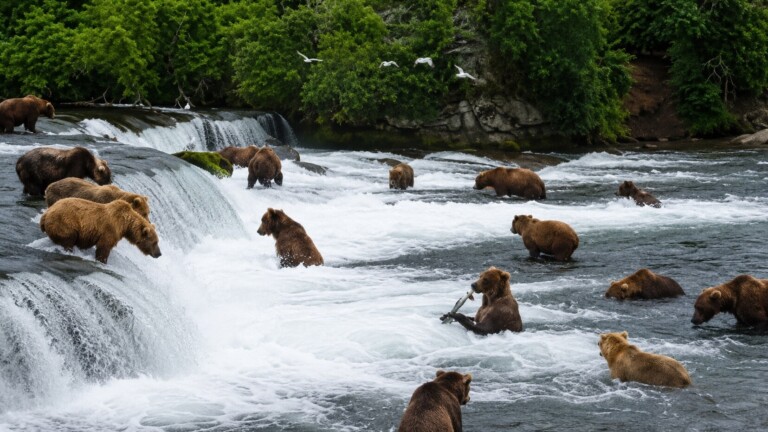 VIDEO - In Alaska, the Salmon Run Turns Rivers into a Giant Feast for Bears
-
 Max Guazzini elected president of the Brigitte Bardot Foundation, succeeding Bernard d'Ormale
-
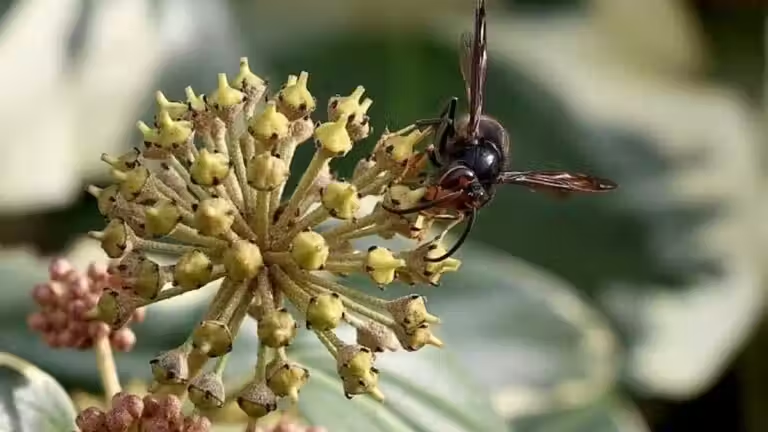 The government is allocating 3 million euros to fight the Asian hornet.
-
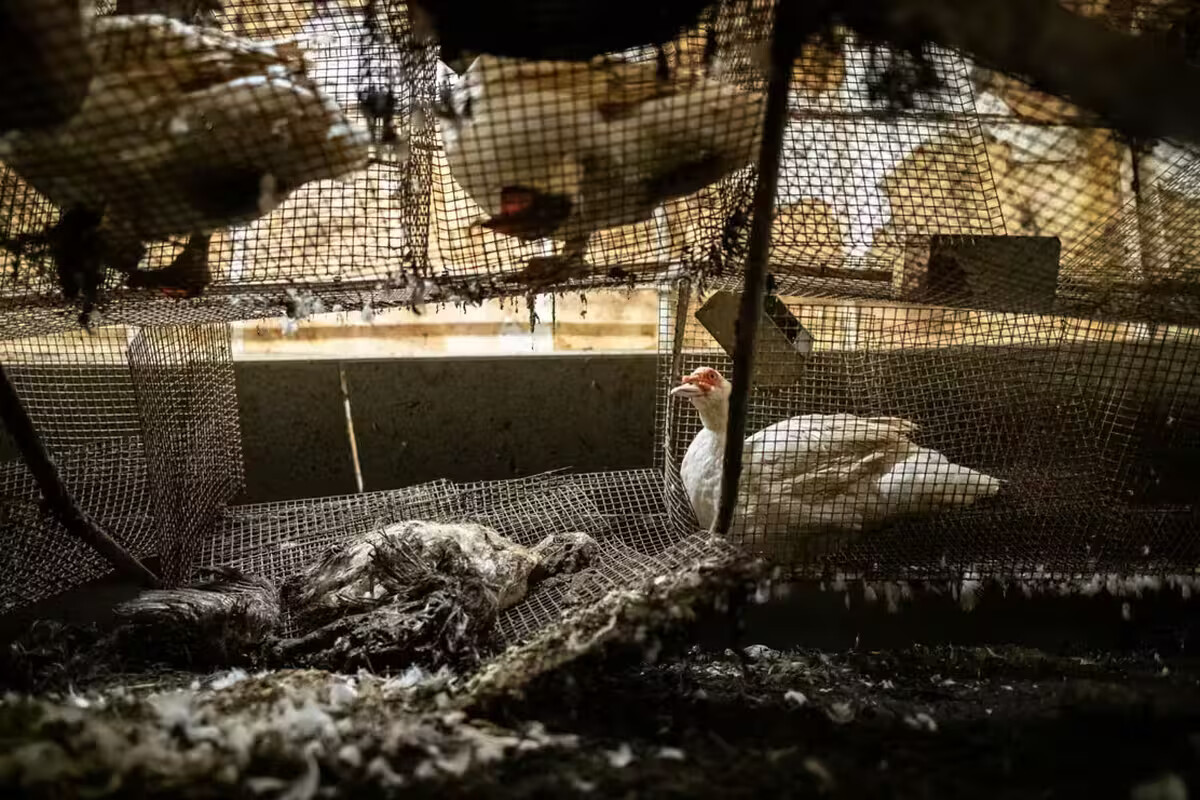 Carrefour caught out by L214 video: the retailer launches an inspection after footage of a duck farm surfaced.
-
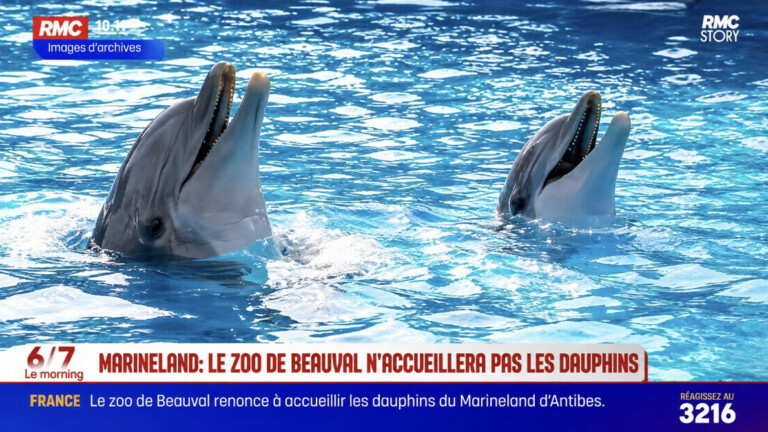 Marineland dolphins: Beauval had a solution, but financial and legal obstacles have thwarted the project.
-
 August 12th solar eclipse: should you protect your dog or cat's eyes?
-
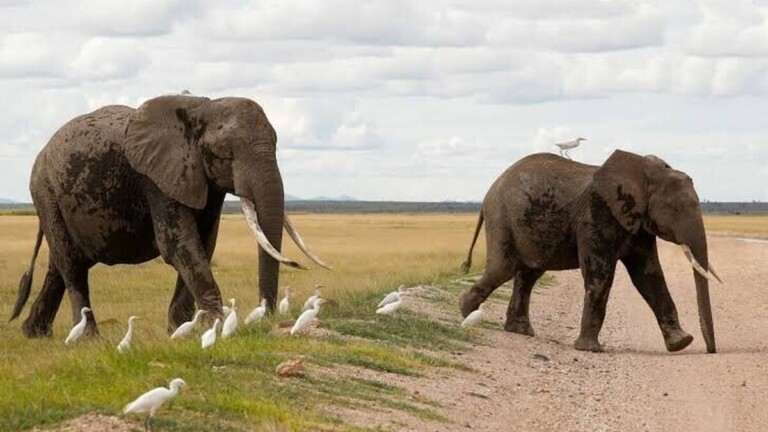 In Kenya, fifteen elephants died in a national park; cyanide is suspected.
-
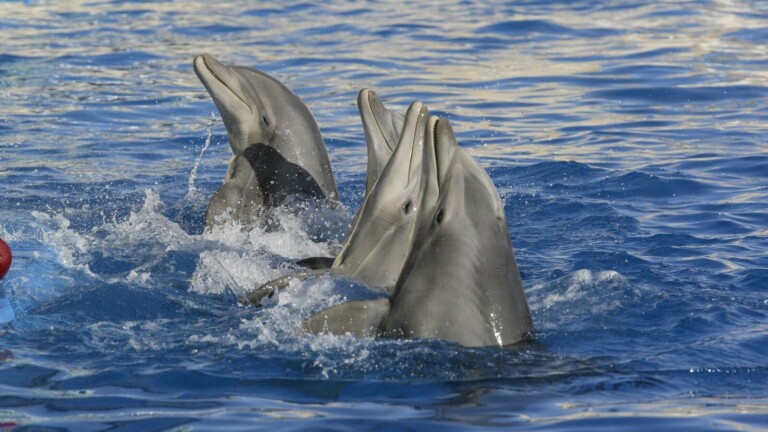 Eight dolphins from Marineland in Antibes transferred to Spain


