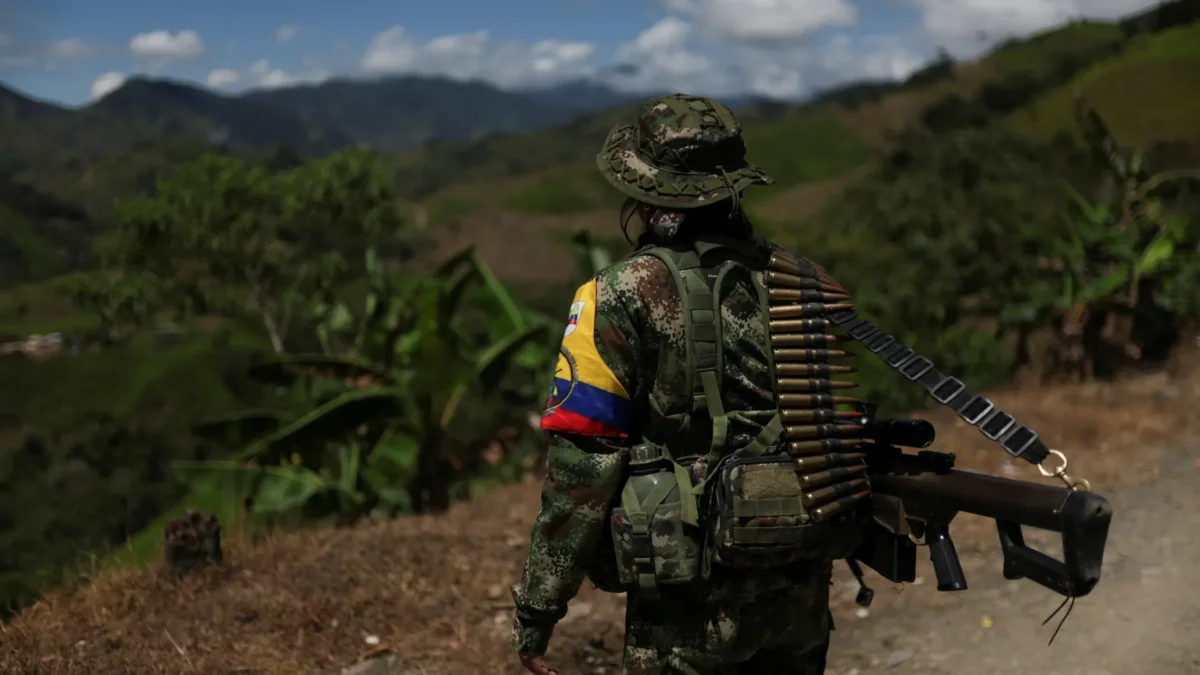
Facebook and TikTok are accused of failing to prevent Colombian armed groups from using their platforms to recruit minors. In an investigation published Monday, Human Rights Watch asserts that some algorithms may even amplify the visibility of content produced by guerrillas and criminal networks.
According to the NGO, these publications present an idealized vision of life within armed groups. Videos filmed in camps, bundles of cash, jewelry, and songs glorifying drug traffickers are used to attract teenagers. Fake job offers are also used to establish initial contact with young users.
At least 1,500 minors have been recruited since 2021
Human Rights Watch estimates that at least 1,500 children and adolescents have been recruited in Colombia since 2021. They are believed to be used primarily to participate in combat, gather intelligence, or pilot drones. Nearly half of the victims are thought to belong to particularly vulnerable Indigenous communities.
Girls are estimated to represent around 40% of reported cases and are more vulnerable to sexual violence. Dissidents from the Revolutionary Armed Forces of Colombia (FARC), who rejected the 2016 peace agreement, are believed to be responsible for 74% of documented recruitment.
Internet users are directly asking how to get involved
The investigation reveals that some users openly question the authors of the posts to find out how to join the Clan del Golfo, the National Liberation Army, or FARC splinter groups. Social media thus allows armed organizations to reach minors without resorting to immediate, in-person recruitment.
This digital strategy modernizes an age-old practice in a country marked by six decades of conflict. The glorification of money, weapons, and power can exert a particular influence on teenagers from poor, isolated, or under-protected areas.
Meta and TikTok claim to have removed the content
HRW claims to have alerted Meta, Facebook's parent company, and ByteDance, TikTok's parent company. Both companies reportedly removed the posts specifically flagged by the organization. Meta maintains it is continuously working to improve its measures against the recruitment of minors, while TikTok asserts it proactively prevents criminal organizations from using its platform.
These answers, however, do not resolve the issue of automatic content detection or recommendation. While President Abelardo de la Espriella is intensifying military operations against armed groups with the support of the United States and Israel, the report points out that the Colombian conflict is now also playing out on teenagers' screens.