

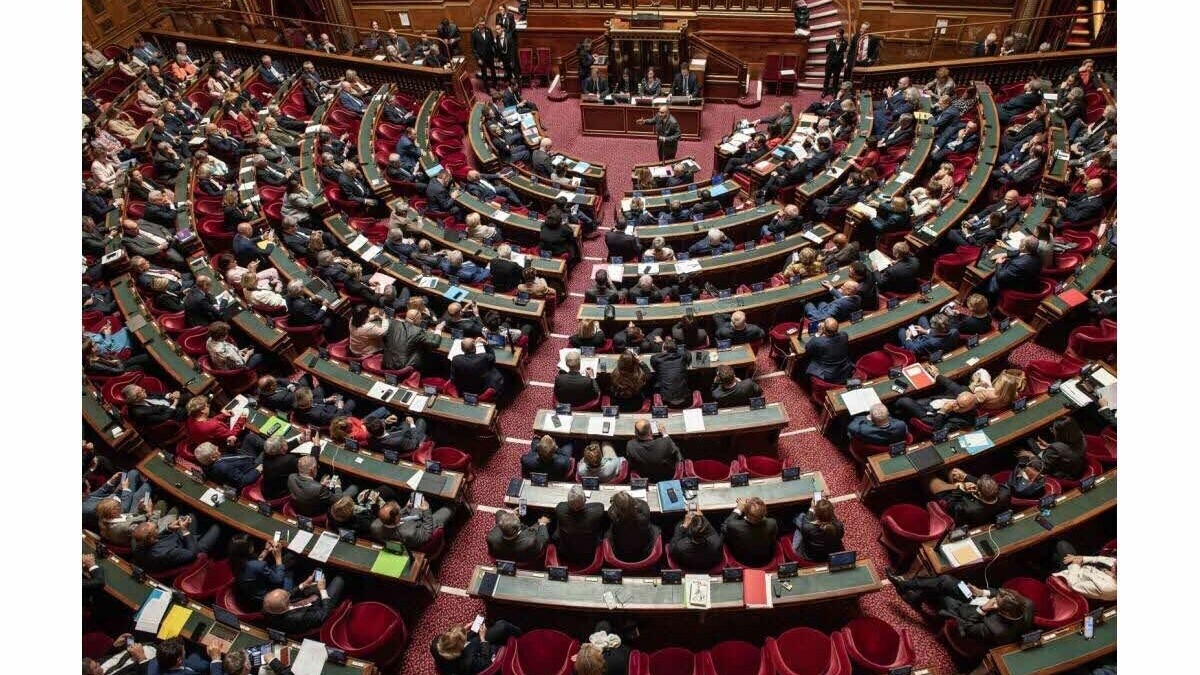
The battle over pensions resumes in Parliament. This Monday, November 9, the Senate begins its examination of the Social Security financing bill for 2027, rejected last month by the National Assembly. More than 1,200 amendments have been tabled, and discussions are scheduled to continue until November 17, before a formal vote the following day. The right-wing and centrist majority in the Senate intends to use this opportunity to reinstate the 2023 pension reform, the implementation of which had been suspended as part of a political compromise between Sébastien Lecornu and the Socialists. This initiative could reignite a particularly sensitive social conflict, at a time when the government is attempting to negotiate measures on wages.
For Olivier Henno, the general rapporteur for the Social Security budget , suspending the reform jeopardizes the financial stability of the pension system. The Senate majority estimates that reinstating the reform would save approximately €600 million by 2027. The senators also wish to modify the pension freeze mechanism included in the legislation. Their proposal is to maintain an inflation-linked increase for pensions up to €1,500, compared to a threshold of €1,260 in the initial plan, while retaining the freeze for higher pensions. This would provide greater protection for smaller pensions without sacrificing the desired savings.
The right-wing senators acknowledge their disagreement with the government.
Senators are approaching this review with limited room for maneuver. The social security deficit could reach €21,8 billion in 2026, while the government aims to reduce it to €12,7 billion next year. For the right-wing and centrist majority, this objective requires structural reforms rather than a simple series of austerity measures. However, reinstating the pension reform is likely to face opposition from the left, which had secured its suspension and considers raising the retirement age an unfair measure. The debates are also expected to focus on healthcare spending, social benefits, spa treatments, and several taxes earmarked for financing social protection.
The Senate vote alone will not be enough to make these provisions applicable. After parliamentary review, the two chambers will have to reach an agreement on a text whose political balance remains highly uncertain. The government may be forced to adopt some of the Senate amendments, but there is no guarantee that the pension reform will ultimately be reinstated.










Respond to the article
Be the first to comment on this article.