
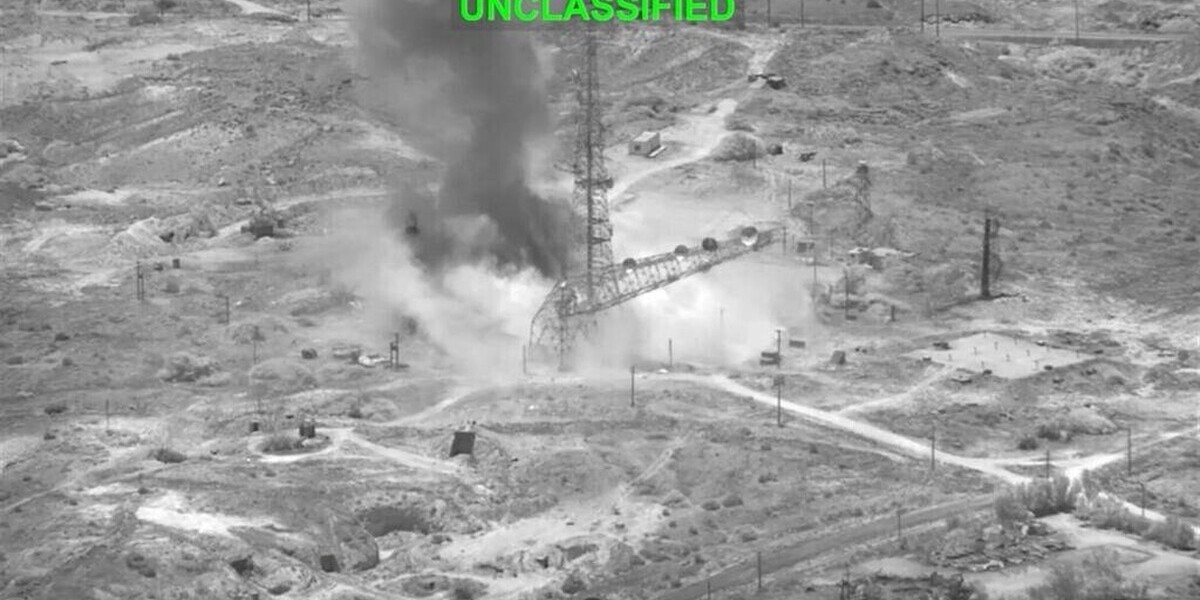
The United States bombed Iran for the sixth consecutive day on Friday, July 17, targeting dozens of military sites. Tehran retaliated by striking civilian infrastructure in Kuwait, Qatar, Jordan, and Bahrain.
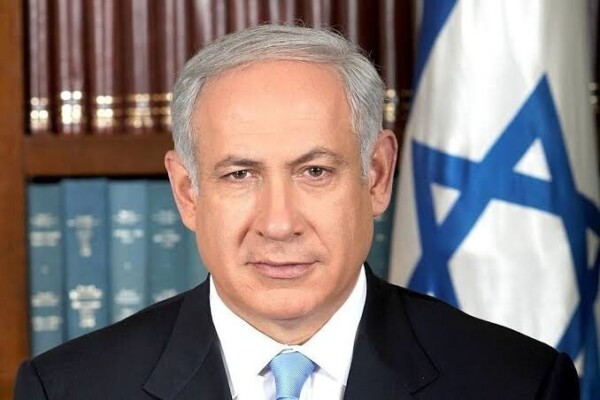
The US strikes began at 7:00 PM GMT, according to the US Central Command (Centcom), which specified that they were targeting coastal surveillance and air defense sites, military logistics infrastructure, and maritime installations. The stated objective: "to continue weakening Iranian military capabilities" on orders from Donald TrumpOn the Iranian side, the official news agency IRNA reported eight deaths and twenty injuries.
Earlier in the day, Iranian authorities reported damage to the power grid in the south of the country, urging residents to reduce their consumption. Bridges, a port, an airport, telecommunications infrastructure, and a train station were also affected. Trump had threatened this week to target bridges and power plants if Tehran refused to resume negotiations.
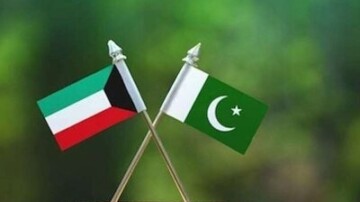
Iran responded by striking several Gulf states allied with Washington. In Kuwait, a power and water desalination plant was hit, forcing authorities to urge residents to "rationalize their consumption" as temperatures soared to 48°C (118°F). The Kuwaiti army reported several injuries. In Qatar, a child was injured by debris. The Islamic Revolutionary Guard Corps claimed to have targeted the US base at Al-Udeid, asserting that it had destroyed radar systems and military aircraft. The armed forces of Jordan and Bahrain also reported airstrikes at dawn.
In Iraqi Kurdistan, nine Iranian-backed Kurdish rebels were killed. The US-led coalition intercepted eight drones over Erbil, according to Iraqi Kurdish forces. The presidency of the autonomous region denounced this as "a flagrant violation of Iraq's sovereignty."
In the Strait of Hormuz, a ship was struck by an unidentified projectile off the coast of Oman, causing minor damage and no casualties, according to the British maritime safety agency UKMTO. The strait, through which a fifth of the world's oil and liquefied gas passed before the conflict, has been closed again by Iran since last weekend, while the United States has reinstated its blockade of Iranian ports. Brent crude rose 2,88% to $86,66 a barrel on Friday, still far from the $126 reached at the start of hostilities.
"The Strait of Hormuz is becoming a trap for both belligerents. The logic of escalation is increasingly slipping out of their control," said David Khalfa, a Middle East specialist at the Jean Jaurès Foundation, who is concerned about "the risk of a wider regional confrontation."
Clashes resumed on July 7 following attacks on ships in the Gulf attributed to Iran, marking a breakdown of the April ceasefire. The conflict, triggered on February 28 by Israeli and American airstrikes, has left thousands dead, primarily in Iran and Lebanon. China and Pakistan have called on the warring parties to resume negotiations under the memorandum of understanding signed in mid-June, which has since fallen apart. White House spokeswoman Karoline Leavitt indicated on Thursday that Trump "remains open to diplomacy," adding that the Iranians "have made it clear to the president that they still want to reach an agreement."


Community
Comments
Comments are open, but protected against spam. Initial posts and comments containing links undergo manual review.
Be the first to comment on this article.