
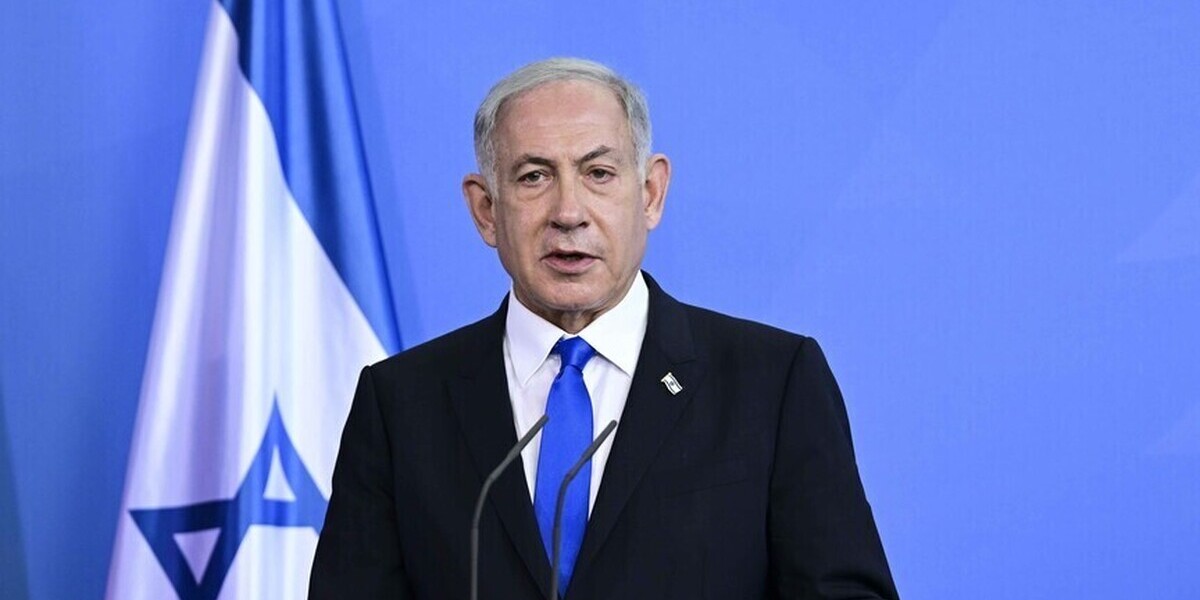
Israeli Prime Minister Benjamin Netanyahu on Sunday ordered the Israeli army to extend its offensive in southern Lebanon against Hezbollah, despite the ceasefire announced more than six weeks ago between the two sides.
This decision comes amid renewed tensions on the Israeli-Lebanese border. According to the Israeli army, its forces have taken control of Beaufort Castle, a historic fortress nearly nine centuries old, as well as a strategic ridge in southern Lebanon. This is a particularly symbolic area, as Israel previously occupied this sector before its withdrawal from Lebanon in 2000.
Benjamin Netanyahu stated that Israel would strengthen its control over areas used by Hezbollah, an Iranian-backed armed group. The Israeli Defense Minister also indicated that Israeli forces would maintain their presence in the Beaufort region.
The military escalation comes after a day marked by significant rocket and drone attacks by Hezbollah toward northern Israel. Israeli authorities described the attacks as among the most intense since the ceasefire took effect in April. Several towns in the north of the country were placed under security restrictions, while schools were temporarily closed.
According to Lebanese authorities, the clashes have resulted in the deaths of more than 3,370 people in Lebanon since hostilities began on March 2. The fighting has also displaced more than 1,2 million people across the country.
Israel, for its part, claims to have lost 24 soldiers and four civilians during this period. Hezbollah attacks have also forced tens of thousands of residents in northern Israel to flee their homes.
The Israeli army announced that one of its soldiers was killed during operations in Lebanon. Hezbollah, for its part, has not yet officially reacted to the announcement of the expansion of the Israeli offensive.
This new phase of military operations raises fears of an escalation of the regional conflict, already fueled by the war between Israel and Iran and by the growing involvement of groups allied with Tehran in several Middle Eastern countries.




Community
Comments
Comments are open, but protected against spam. Initial posts and comments containing links undergo manual review.
Be the first to comment on this article.