
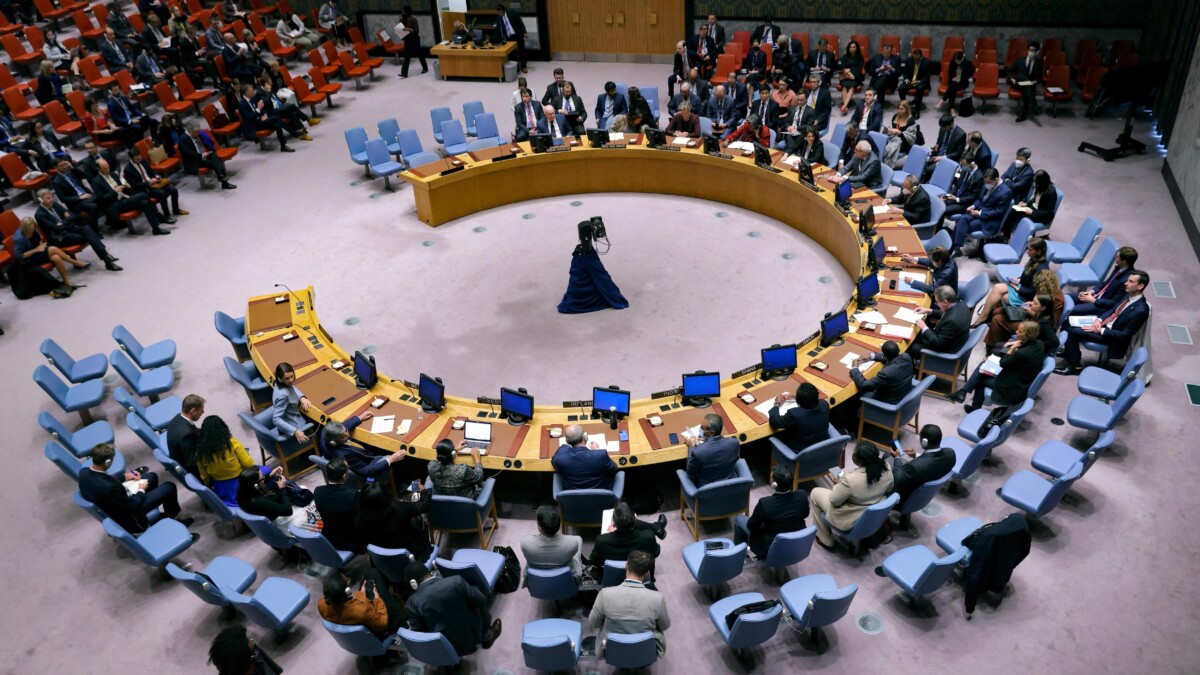
At least 31 people have died in clashes in Pakistani-administered Kashmir over the past month. The UN High Commissioner for Human Rights is demanding independent investigations as the crisis escalates just days before regional elections.
Volker Turk, the UN High Commissioner for Human Rights, called on Islamabad Friday to open "swift, thorough and impartial" investigations into all deaths that have occurred during the unrest, whether civilians or members of the security forces. The death toll has risen to at least 31 since the violence began last month, amid pre-election tensions: regional elections are scheduled for the end of July.
The Jammu Kashmir Joint Awami Action Committee (JAAC), a coalition of traders and activists, initiated the movement, initially mobilizing against rising food and energy prices. The conflict has since crystallized around a legal dispute concerning legislative seats reserved for Kashmiri refugees. The JAAC is demanding the abolition of these seats, arguing that they allow non-residents to influence local political outcomes.
The violence reached its peak on July 14 in the Poonch division, where security forces attempted to clear roadblocks ahead of a planned "long march" by the JAAC toward Muzaffarabad. The clashes left nine people dead: seven civilian activists and two members of the security forces. Poonch Divisional Commissioner Waheed Khan justified the intervention to Reuters, stating that protesters had blocked a security convoy and attacked officers. "The police and security forces responded in self-defense," he said.
The UN has expressed alarm at Pakistan's decision to classify the JAAC as a "terrorist" organization under national anti-terrorism legislation. The institution warned that the use of such mechanisms to criminalize peaceful gatherings, coupled with widespread internet shutdowns, raises serious questions about freedom of association.
The crisis is also reviving the rivalry between India and Pakistan, two nuclear powers that have each claimed the entirety of the Himalayan territory since their independence in 1947. In New Delhi, the spokesman for the Ministry of Foreign Affairs, Randhir Jaiswal, described the unrest on Wednesday as "a direct consequence of Islamabad's systematic and decades-long exploitation" of the region.
Turk called for immediate de-escalation and pleaded for "meaningful and inclusive political dialogue" rather than security responses, in order to address deep grievances related to regional autonomy and inflation.

Community
Comments
Comments are open, but protected against spam. Initial posts and comments containing links undergo manual review.
Be the first to comment on this article.