
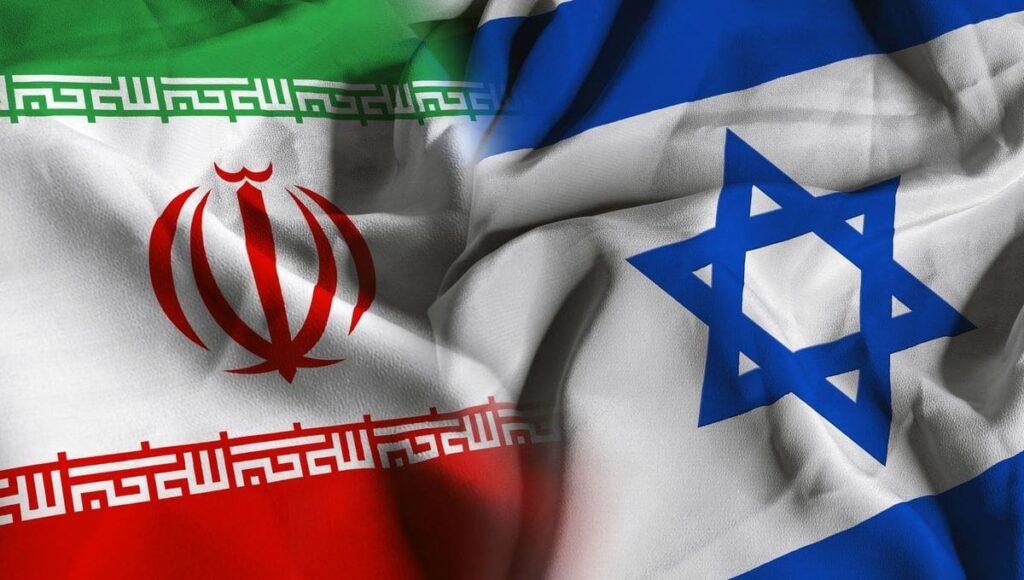
Iran and Hezbollah currently find themselves in a delicate situation, seeking to respond to assassinations attributed to Israel without provoking a full-scale war. The recent assassinations of Hamas leader Ismael Haniyeh in Tehran and a Hezbollah commander in Beirut have heightened tensions, putting pressure on these actors to retaliate. However, economic, political and military considerations hamper any major escalation.
Iran and its allies in a difficult position
Iran, under its new President Massoud Pezechkian, faces internal economic challenges and growing diplomatic pressure. Tehran still remembers the trauma of the Iran-Iraq war, and a direct confrontation with US-backed Israel could be disastrous. Additionally, Iran does not have the means or intelligence to carry out attacks similar to those it suffered, making any direct response highly risky.
Hezbollah between military and political pressures
Hezbollah, although equipped with an arsenal of missiles capable of hitting Israel, is aware of the consequences of military escalation. Since the October 7 attacks, Israel has demonstrated its ability to inflict severe casualties in Gaza, and Hezbollah knows that a provocation could bring similar destruction to Lebanon. In addition, the party must protect an electoral base already exhausted by past conflicts and a severe economic crisis.
Potential response scenarios
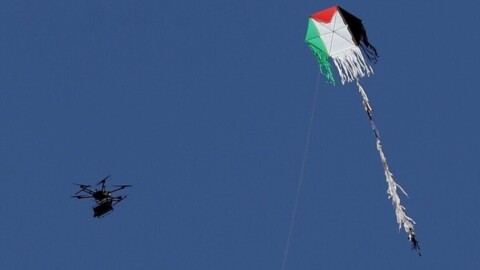
Iran and its allies could opt for indirect actions, using armed groups affiliated with Lebanon, Yemen, Iraq, or Syria to carry out attacks against Israel. Such a strategy would complicate the situation without triggering a direct war. The recent example of the Houthis in Yemen, who claimed responsibility for a drone attack on Tel Aviv, shows that other fronts could be activated to intensify pressure on Israel.
The risk of uncontrolled escalation
Despite these cautious maneuvers, the risk of escalation remains. Israel, strengthened by American support, is preparing to respond to any provocation, and some Israeli officials are calling for a preemptive operation in Lebanon. However, a prolonged war could further deplete the IDF's resources, already stretched by the fighting in Gaza.
In short, as Iran and Hezbollah seek to respond to Israel's actions, they must navigate between the need to respond to maintain their credibility and the reality of economic and military constraints that prevent them from engaging in open conflict. .