
The European Parliament on Tuesday approved a series of tariff reductions on numerous US imports, as part of a trade agreement aimed at preventing a return to tensions between the European Union and the United States. This decision comes nearly a year after the conclusion of a framework agreement between Brussels and Washington.
The agreement, negotiated last year, stipulates that the European Union will eliminate import duties on American industrial products and grant preferential access to certain agricultural products. In exchange, the United States will apply tariffs of 15% on the majority of European exports. This compromise aims to stabilize trade relations between the world's two largest economies.
The European Parliament's vote, adopted by 440 votes to 151, constitutes the last major legislative step for the implementation of this agreement. It notably aligns European legislation with the commitments made during the negotiations and prevents a further escalation of tariffs feared by the business community.
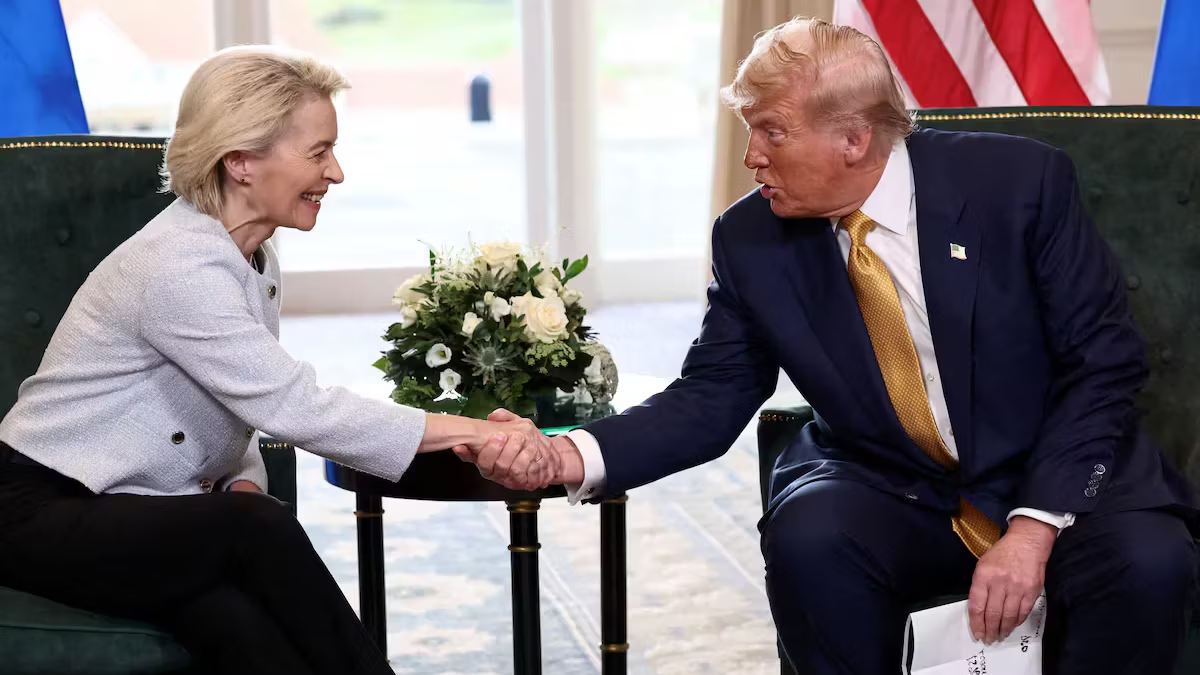
The agreement was reached during a meeting between the American president Donald Trump and European Commission President Ursula von der Leyen, on the Turnberry golf course in Scotland. The discussions had established a framework aimed at reducing trade tensions between the two blocs.
Washington, however, had put pressure on Brussels, threatening to impose new, "much higher" tariffs if the European Union did not adopt the necessary measures within the given timeframe. This pressure accelerated the legislative process within the European institutions.
Among the measures included is the extension of a specific agreement on imports of American lobsters, already concluded during Donald Trump's first term. This provision symbolizes the desire of both partners to preserve certain trade gains despite past tensions.
While this vote prevents another immediate crisis, several uncertainties remain regarding the future of transatlantic trade relations. Repeated threats of tariff increases and persistent disagreements on certain sensitive sectors continue to undermine the balance of this agreement.




Community
Comments
Comments are open, but protected against spam. Initial posts and comments containing links undergo manual review.
Be the first to comment on this article.