

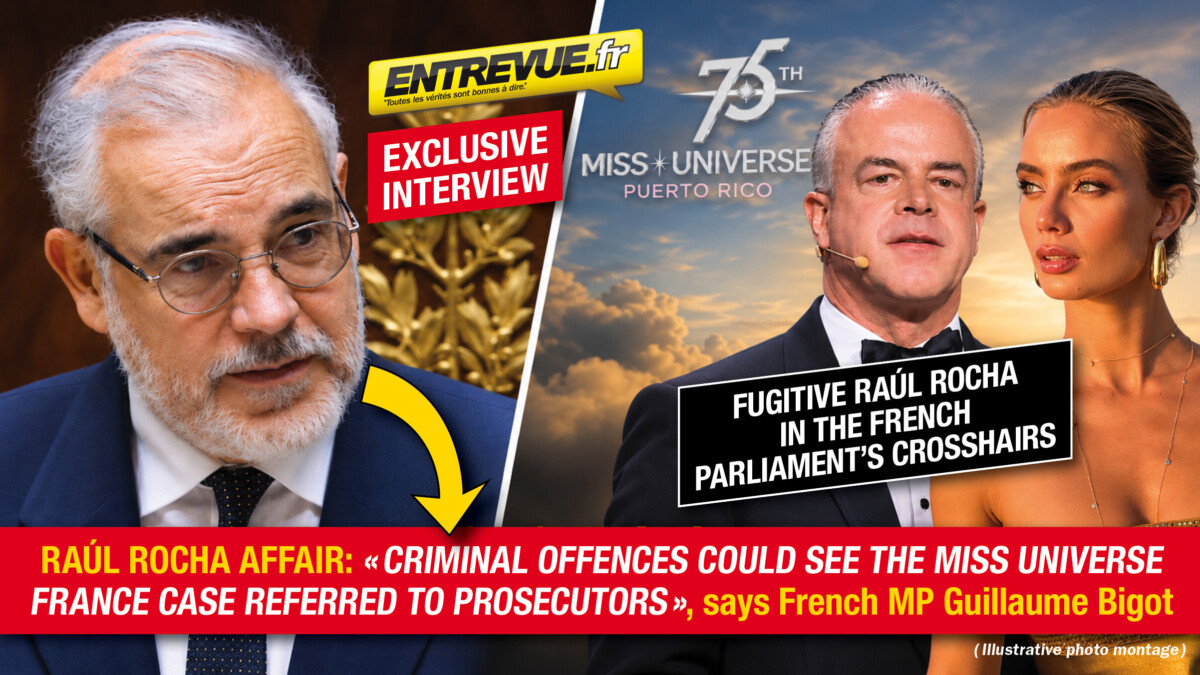
As revelations surrounding Miss Universe and its Mexican co-owner Raúl Rocha continue to raise questions, Member of Parliament Guillaume Bigot answers Entrevue magazine's questions about the financing of Miss Universe France, the selection process for candidates, and the role of public authorities. He demands precise explanations regarding the origin of the funding and the organizational conditions of the competition. Above all, he emphasizes that if the information gathered reveals facts that could constitute an offense, forwarding it to the public prosecutor is the appropriate course of action.
The funding of Miss Universe France and the origin of the funds
Radouan Kourak : Do you find it normal that a Mexican businessman, Raúl Rocha, co-owner of Miss Universe, is the subject of two arrest warrants issued by Mexican authorities: the first concerning, among other things, suspicions of links with the Sinaloa cartel, fuel trafficking between Guatemala and the MexicoOne case involves drug and arms trafficking; the other concerns suspected money laundering. While this affair has been making headlines in numerous international media outlets for nearly a year, Raúl Rocha is reportedly currently in Monaco. Yet, this man has decided to launch and personally finance Miss Universe France after the original Miss France committee chose not to renew its license. He promises the future winner a car, an apartment, and up to €500,000 in gifts and prizes. What is the origin of the funds financing this organization? Who is funding the offices, the staff, the production, and the entire structure? And are the organizers required to provide guarantees regarding the source of this funding?
Guillaume Bigot: The presumption of innocence must be respected. This does not preclude asking the organizers for specific explanations: which entity is sponsoring the competition? FranceWho controls it, who finances its operation, and who guarantees the advertised prizes? A distinction must be made between the existence of proceedings against an executive and proof of the illicit origin of funds used by an organization. I will not conflate the two. However, the organizers must be able to answer documented questions about their financing. The media covering this event should also clearly distinguish between verified information, statements from the organizers, and disputed accusations.
Raúl Rocha's yacht, the finalists and the selection criteria
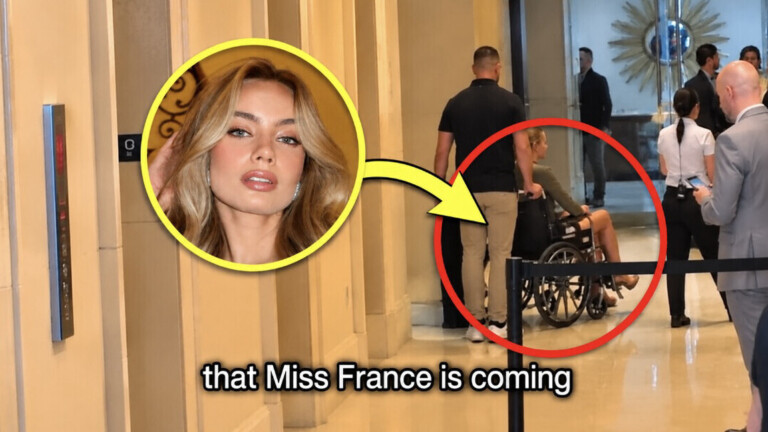
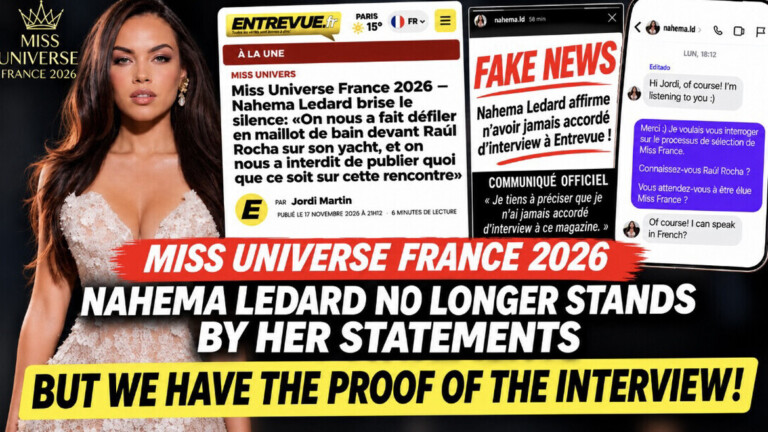
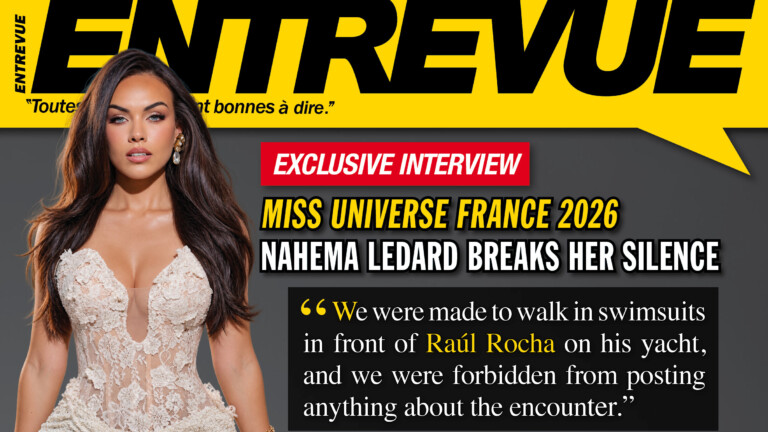
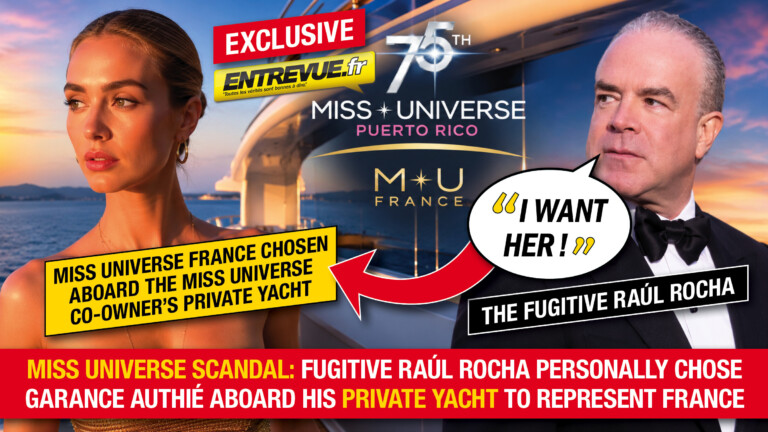
Radouan Kourak: As revealed InterviewsThe Miss Universe France finalists were reportedly invited aboard Raúl Rocha's personal yacht, off the coast of Saint TropezSo, in French waters. According to information and photographs published by our newsroom, the contestants were supposed to parade in bikinis before Raúl Rocha, who was allegedly the only one to observe them and personally decide on the French representative, without an independent jury. The day before, the committee director reportedly asked the participants not to film or photograph this sequence, citing the private nature of the yacht, named Feria. We also published photographs of the candidate ultimately chosen on this occasion. M6 cameras reportedly filmed these sequences and are now following the winner on her journey to Puerto Rico. How do you analyze these selection conditions? Were the participants truly free to refuse these sequences? And what responsibility can the media outlets that filmed these events bear?
Guillaume Bigot: If the conditions you describe are confirmed, they call for precise explanations regarding the competition rules, the composition of the jury, the selection criteria, and the guarantees provided to the participants. The issue is not to judge the candidates or their choice to participate in a beauty pageant. It is to determine whether they were aware of the actual selection process, whether they could refuse to participate in a segment without being penalized, and whether their consent to the filming and use of their image was clearly obtained. Regarding M6, I would first like to know the details of their involvement: which segments were filmed, in what context, and with what knowledge of the selection criteria? The mere presence of cameras is not, in itself, sufficient to establish liability.
The role of the State and a possible referral to the public prosecutor
Radouan Kourak: In light of all these factors, do you believe the authorities should intervene? Can France allow commercial and media activities to continue in a context where the organization's main leader is facing legal proceedings abroad, particularly concerning suspected money laundering? Shouldn't the origin of the funds, compliance with tax obligations, and potential money laundering risks be verified? Specifically, would you be willing to question the government about the oversight framework applicable to this organization? And if the information gathered revealed facts that could constitute an offense, would you be prepared to forward the case to the public prosecutor so they can examine the facts and decide on the appropriate course of action?
Guillaume Bigot: We must act based on the evidence, respecting everyone's areas of expertise. I therefore wish to have access to the documents and testimonies on which your claims are based, as well as the responses of the individuals and organizations implicated. Based on this information, I will be able to question the government on the applicable oversight framework and the safeguards for preventing money laundering. If the evidence gathered reveals facts that could constitute an offense, its transmission to the public prosecutor will be the appropriate course of action; it will then be up to him to decide what action to take. Article 40 of the Code of Criminal Procedure specifically provides for the transmission to the public prosecutor of crimes or offenses that a constituted authority becomes aware of in the exercise of its duties. This mechanism does not replace either an investigation or a judicial decision.


Respond to the article
Be the first to comment on this article.