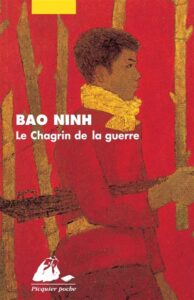
The Vietnamese authorities' classification of Bao Ninh's novel *The Sorrow of War* as a major work of postwar literature reignited heated controversy, quickly followed by a dramatic surge in public interest. Criticized by conservative circles for its unflinching portrayal of the conflict, the book sold out in several major cities, fueled by a strong mobilization and numerous discussions on social media.
Published in the late 1980s, the text stands out for its introspective approach to the war, focusing on the traumas and memories of a North Vietnamese veteran. This perspective, long marginal in a literary landscape dominated by narratives valorizing sacrifice and collective victory, continues to provoke resistance decades after its publication.
A controversy that is attracting a new generation of readers
Critics, particularly former military officials, accused the book of offering a more nuanced view of the national heroic narrative. But these attacks paradoxically contributed to its rediscovery, especially among young readers born long after the conflict, eager to form their own perspectives on this period of history.
Faced with the rush to bookstores, the publisher confirmed an emergency reprint to meet demand. This renewed interest illustrates literature's enduring ability to reopen sensitive debates about memory and to transcend generational divides, transforming an ideological dispute into a genuine cultural phenomenon.