
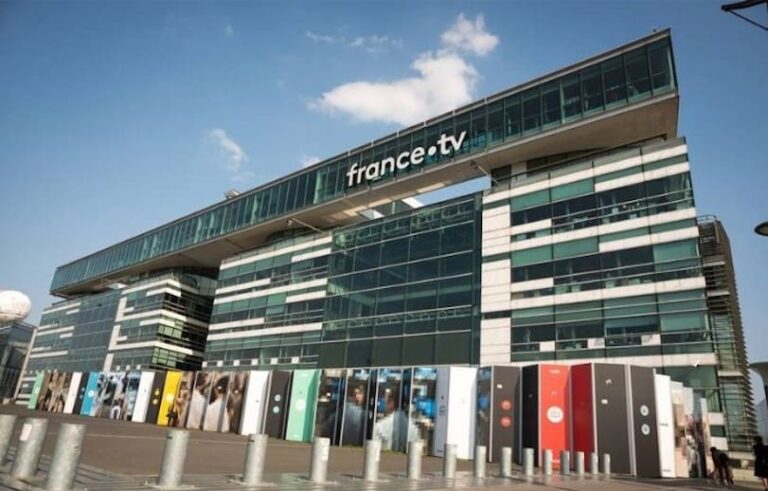
The draft reform of public broadcasting, supported by the Minister of Culture Rachida Dati, has had a bumpy ride in the National Assembly. Its examination by the Cultural Affairs Committee, which took place yesterday, did not allow the text to be adopted due to lack of time, and its inclusion on the agenda of Friday's public session remains uncertain.
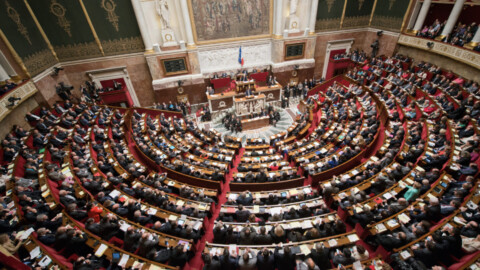
With more than 1 amendments tabled—mostly from left-wing groups—MPs were only able to address a little over a hundred proposals during the six and a half hours of debate. The meeting, which ended at midnight, only addressed part of Article 600 of the 6 contained in the bill. As a result, due to the lack of an overall vote, the government's initial text will be presented to the House.
This reform, deemed strategic by the executive, provides for the creation of a public holding company called France Media, which would bring together France Télévisions, Radio France et the National Audiovisual Institute under common management. The international branch France Media World (France 24, RFI, Monte Carlo Doualiya) would be excluded. "There is no merger, but coordination", insisted Rachida Dati, trying to reassure employees and unions, worried about the independence and identity of the entities concerned.
Un strike notice was filed for this weekend by the unions of France Télévisions et Radio France, who fear a reinforced supervision of the public service and denounce a “botched” and “rushed” project, according to the National Union of Journalists.
Parliamentary obstruction or vigilance?
The debates, which had been interrupted on April 1 following a clash between the minister and an Assembly official, took place in a calmer atmosphere on Tuesday, in the presence of Rachida Dati. However, the exchanges were marked by strong opposition. The left denounced a reform "technocratic", accusing the majority of not having taken the time for real consultation with professionals in the sector.
For their part, the majority deputies point to a obstruction strategy led by France Insoumise and the Communist Party, responsible for the majority of the amendments tabled. "It will not be examined in our Assembly this week.", said Mathilde Panot, leader of the LFI deputies, in front of the press. A prediction shared by Stephane Peu, Communist MP: "If this reform does not come this week, it will not come before the summer."
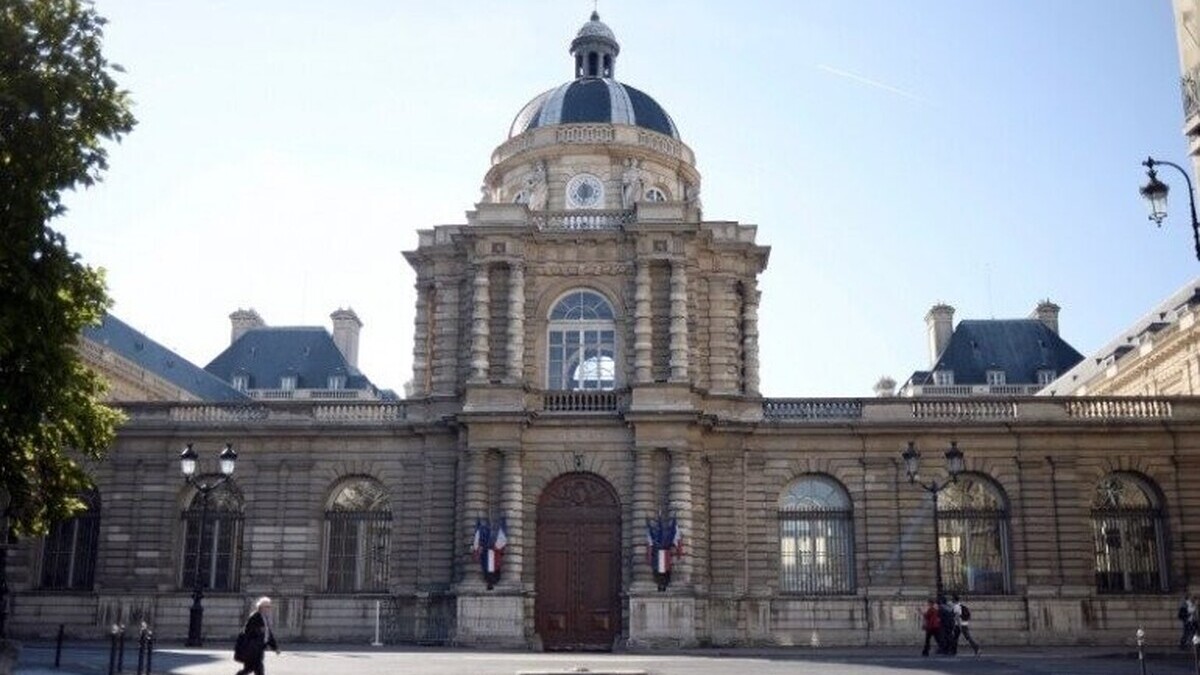
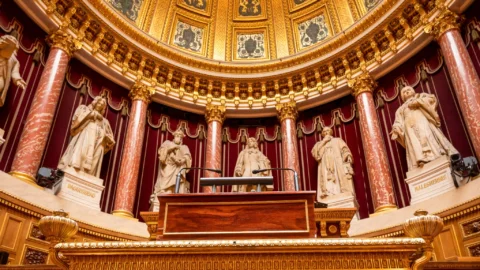
Le Senate, which adopted a different version of the text in June 2023, is still awaiting a compromise between the two chambers. Several LR senators had then welcomed a "first step towards a rationalization of public broadcasting," while the senatorial left was already calling for more guarantees on editorial independence.
What next for the text?
The timetable remains unclear. Given the Assembly's already packed agenda for the weekend, it is possible that consideration of the bill will be postponed indefinitely. In the absence of an agreement between the parliamentary groups on a new date, the text may not be examined before the summer recess, or even at all before the start of the new school year. Beyond the technical debates, this reform raises fundamental questions about the place of public broadcasting in the French media landscape, its funding, and its governance. These are all issues that, according to several unions and observers, would justify a genuine national debate.