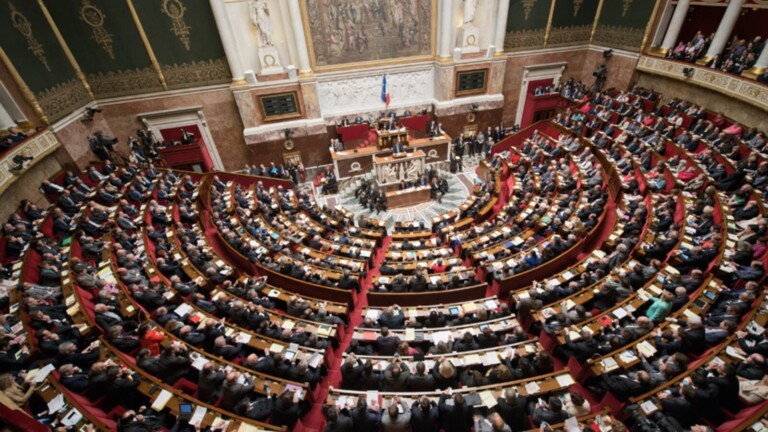
The National Assembly took a symbolic step on Tuesday, June 23, by approving a constitutional reform that would grant Corsica a status of enhanced autonomy within the French Republic. This text provides for granting the Mediterranean island exceptional powers justified by its territorial and cultural specificities. A vote that marks a shift in the recognition of regional particularities, even though the project still has to pass the Senate’s scrutiny to come into effect.
A legislative path full of obstacles
The next stage of the legislative process looks complex. The Senate’s examination remains uncertain, especially since the 2027 presidential election deadline could disrupt the parliamentary calendar and the political momentum around this issue. Some elected officials, such as François-Xavier Ceccoli, LR deputy of Haute-Corse, have expressed reservations by pointing out the risks of increased pressure from organized crime on local island elected officials. These concerns reflect the tensions surrounding the possible redistribution of powers between Paris and Ajaccio.
Between recognition and security concerns
The debate around Corsican autonomy reveals deep divergences on the very conception of republican unity. While supporters of the text see it as an appropriate response to island realities, its opponents fear institutional fragmentation and a weakening of the central State. The question remains open: can France reconcile recognition of local particularities with maintaining its centralized model?