Meeting in Busan, South Korea, the UNESCO World Heritage Committee is scheduled to examine some 30 new nominations this week, as well as several cases deemed particularly concerning. Between armed conflicts and environmental degradation, numerous sites could be placed on the List of World Heritage in Danger to receive enhanced protection.
Sites threatened by war in the Middle East and Ukraine
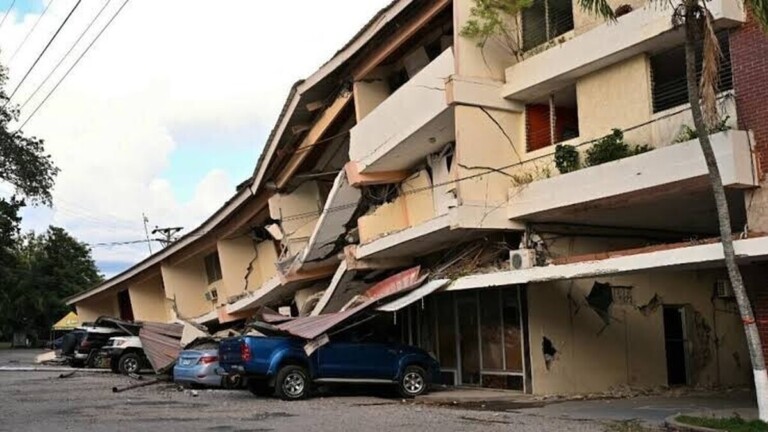
Among the inscriptions being urgently reviewed are the castles of Mount Amel in southern Lebanon, damaged by bombings related to the conflict with Israel, and the archaeological site of Sebastia in the occupied West Bank. South Sudan is also expected to be added to the World Heritage List with the Boma-Badingilo savannas, a vast ecosystem that hosts the world's largest terrestrial mammal migration, but is threatened by both internal conflicts and the effects of climate change.
According to statements made to AFP by Lazare Eloundou Assomo, director of the UNESCO World Heritage Centre, this inscription is not a sanction. Its primary aim is to attract funding and partners to preserve these sites, while also sending a strong signal about their cultural importance. Other sites could also be added to this list, such as the ancient city of Tyre in Lebanon, or the ancient city of Chersonesus Taurica in Crimea, affected by illegal excavations and development carried out since the annexation of the peninsula by Russia.
Lake Baikal and the climate are at the heart of the concerns
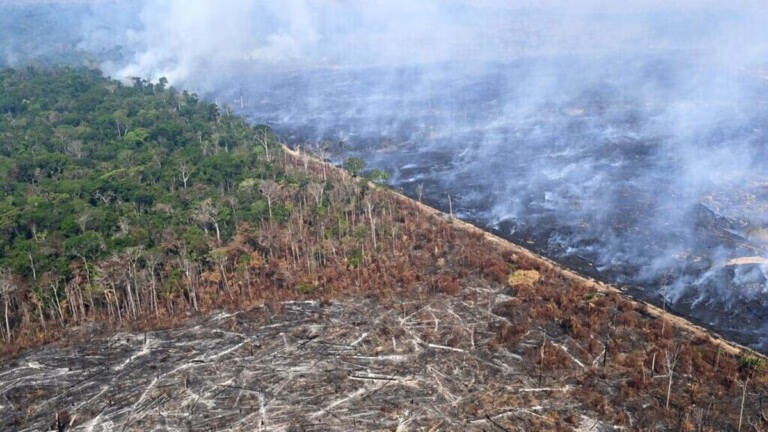
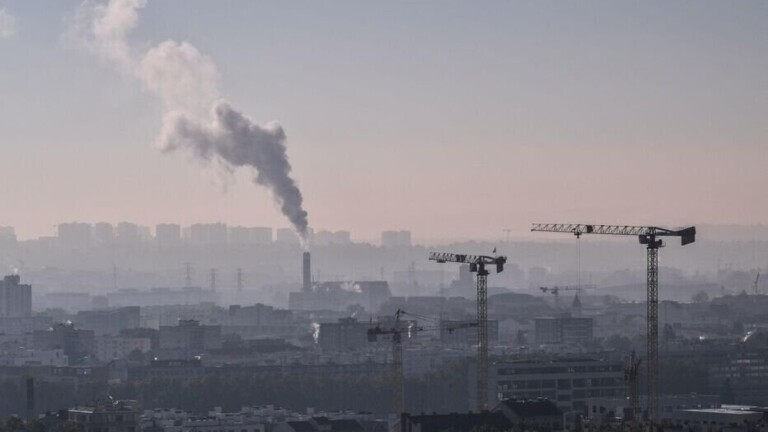
The threats do not stem solely from conflict. UNESCO believes that Lake Baikal in Russia faces persistent ecological degradation due to pollution, tourism, upstream hydroelectric projects, and logging. Despite several warnings issued to Russian authorities, the organization considers the measures taken to be insufficient to halt this deterioration.
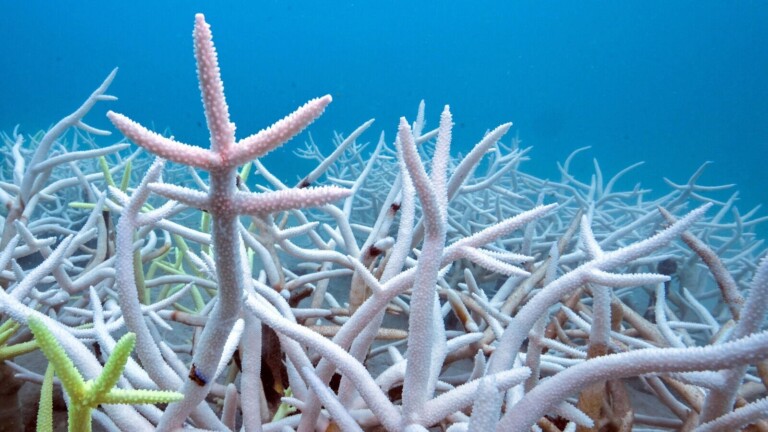
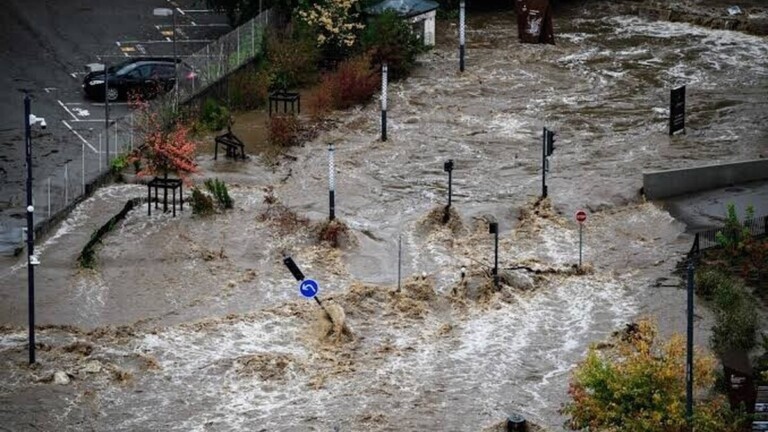
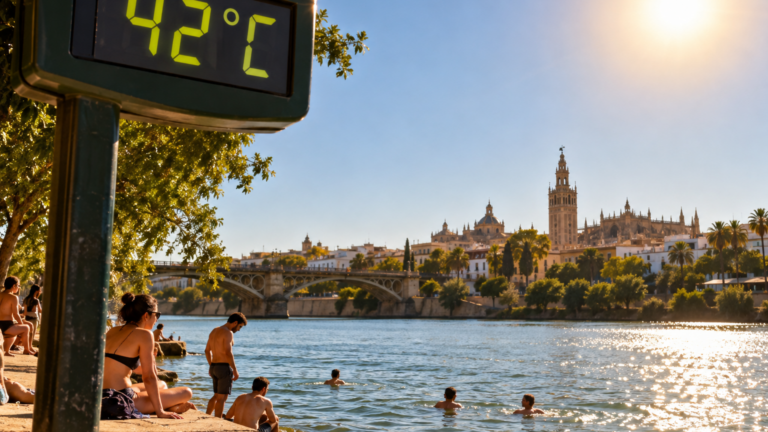
Last year, UNESCO already warned of the growing impact of climate change, indicating that nearly three-quarters of World Heritage sites were facing water-related risks, ranging from droughts to floods. Alongside these sensitive issues, the 196 member states will also examine new nominations, including the D-Day landing beaches of June 6, 1944, in Normandy, the Tunisian village of Sidi Bou Said, and two historic theaters in the Brazilian Amazon.