

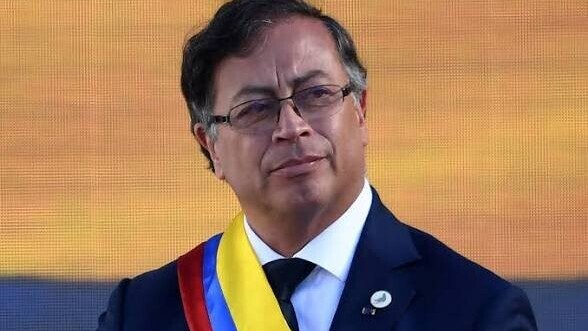
Outgoing Colombian President Gustavo Petro on Monday reiterated his accusations of manipulation of the June presidential election, refusing to recognize the legitimacy of his conservative successor Abelardo de la Espriella, whose inauguration is scheduled for Friday.
Speaking to reporters in Bogotá, Gustavo Petro claimed that programmers had altered thousands of tally sheets after the results were transmitted to the national electoral authority. He described the election as "opaque," alleging manipulation orchestrated by foreign powers and lamenting that the metadata associated with the voting records had not been made available for verification.
Colombian electoral authorities and international observers have rejected these allegations. At the end of June, officials certified the victory of de la Espriella, a lawyer by training with conservative views, over Ivan Cepeda, Petro's ally, by a margin of 250,000 votes. Electoral judges validated the results, removing any legal means for Petro to block the transition.
“We are facing a profound institutional problem,” Petro declared. “It’s the inauguration of an illegitimate president.” The Colombian Constitution forbids him from running for a second term. A former guerrilla fighter who became the country’s first socialist president in 2022, he is now calling for protests and the formation of “liberation guards” in rural areas.
These statements worry some analysts. Andres Macias, a professor of political science at Externado University, believes that this call could "justify the use of arms by civilians" in regions already weakened by conflicts between the army, drug traffickers, and armed groups. According to several observers, Petro's accusations risk undermining de la Espriella's credibility with a segment of the electorate and exacerbating the country's political polarization.
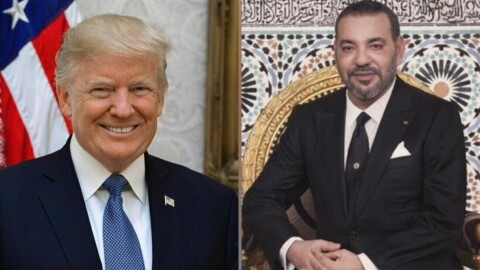
The final months of Petro's presidency were marked by repeated tensions with Washington. In October, Donald Trump called him an "illegal drug kingpin" and announced the suspension of US aid to Colombia. In January, after the kidnapping of Venezuelan President Nicolás Maduro by US forces in Caracas, Trump responded "sounds good to me" when asked if he was considering a military operation against Colombia. A few weeks later, US prosecutors opened an investigation into possible links between Petro and drug traffickers during his 2022 presidential campaign.
The outgoing president confided on Monday that he feared being "extradited" from Colombia once he became leader of the opposition. "I've been told to keep quiet," he added. "But as a democrat, I cannot accept this electoral fraud."



Community
Comments
Write a comment
Be the first to comment on this article.