While some believe these futuristic cities will contribute to technological advances and provide solutions to the problem of overpopulation, others worry about their potential to exacerbate existing social inequalities. In an age where money can create new worlds, innovation is certainly appealing. But will these billionaire-built cities truly be designed to solve real-world problems, or are they simply projects of self-expression aimed at imposing a certain degree of control?
Elon Musk's Mars Colony and Starbase
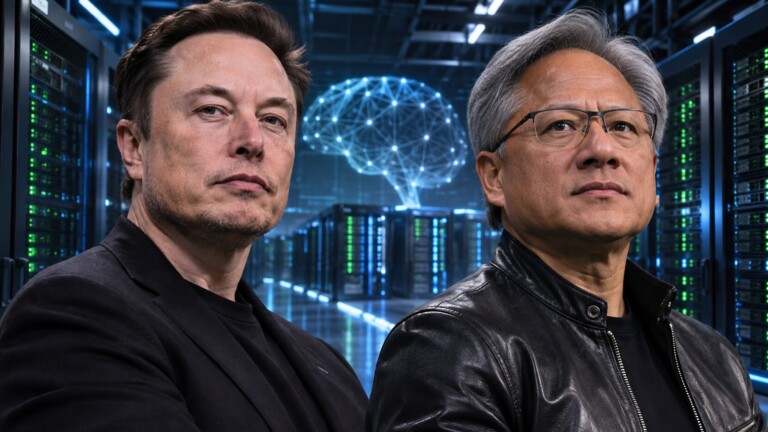
Entrepreneur Elon Musk , founder of SpaceX and Tesla, is revolutionizing not only how we travel, but also our way of life. His Starbase project in Texas is a preliminary step toward his ultimate ambition: a sustainable city on Mars. While some see his project as focused on survival and progress, his critics in Texas condemn its environmental impact and the forced displacement it would cause among local populations.
Marc Lore and Telosa
Former Walmart CEO Marc Lore is taking a different approach with Telosa, an equitable city to be built in a yet-to-be-disclosed region of the United States. This city aims to combine capitalism and social justice, with a more equitable distribution of wealth. While Musk emphasizes survival in the face of crises, Lore focuses on sustainability through green technology and social equality.
Peter Thiel and maritime colonization
PayPal co-founder Peter Thiel is fascinated by the idea of escaping government control. His maritime colonization project involves building autonomous floating cities in the open ocean, outside of any national jurisdiction. While the idea is appealing, it encountered significant legal and technical hurdles, ultimately leading to its abandonment.
The Line by Mohammed bin Salman
The trillion-dollar Neom megaproject includes The Line, a 120-km city capable of housing millions of people in a high-tech, artificial intelligence-powered environment. Car-free and with minimal environmental impact, the city aims to redefine urban living.
Bill Gates and Belmont
True to his analytical approach, Bill Gates has invested millions of dollars in the creation of Belmont, a smart city in Arizona. Designed as a model of modern infrastructure, it will integrate autonomous vehicles and urban planning optimized by artificial intelligence. Among the projects of other billionaires, Gates's seems the most realistic, aligning with current urbanization trends.
Larry Ellison and Lanai
Oracle co-founder Larry Ellison has taken a different path by purchasing 98% of the island of Lanai in Hawaii. His goal is to transform this natural paradise into a luxurious sanctuary for billionaires, promoting high-end tourism and an exclusive lifestyle.
The Wexners and New Albany
Business magnate Les Wexner not only built a huge mansion, he also founded an entire city. New Albany, Ohio, is a carefully planned community that reflects his vision of an elegant and harmonious urban setting. Unlike the futuristic visions of Musk and Gates, Wexner focuses on aesthetics, order, and selectivity.
Mark Cuban and Mustang
Unlike other billionaires who acquire land to build futuristic metropolises or private empires, Mark Cuban bought the small town of Mustang, Texas, for a friend who has cancer. Cuban has no grand plans for the town.