

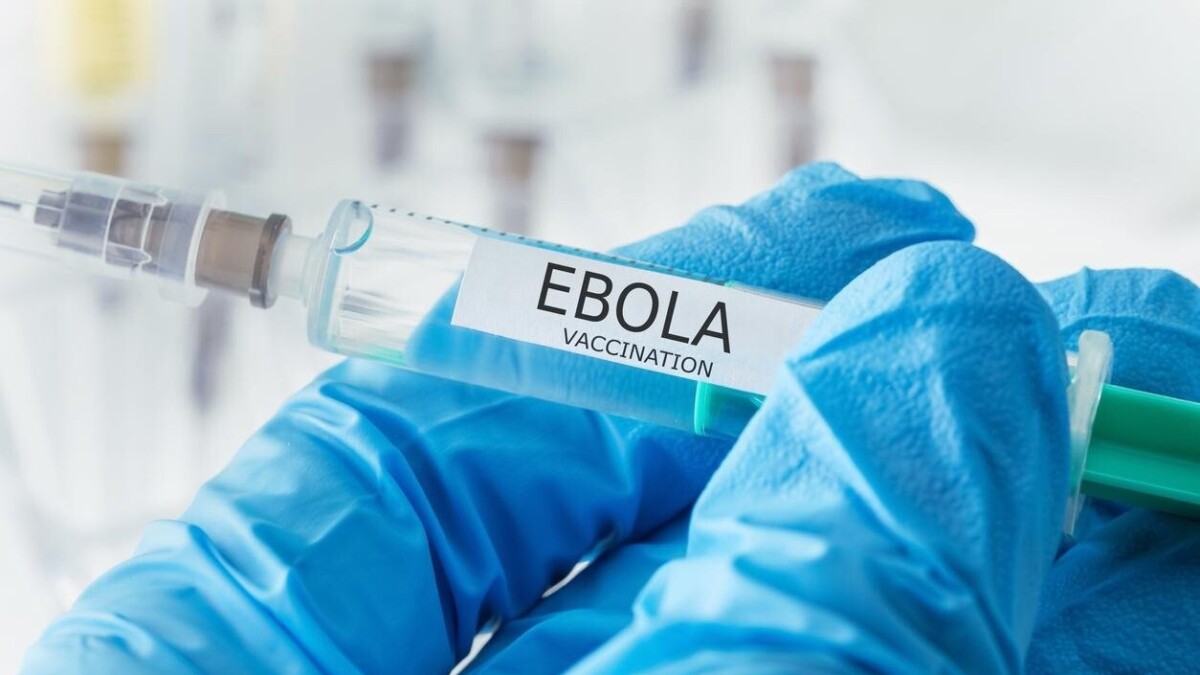
Faced with an Ebola epidemic that is spreading at a rate six to eight times higher than any previous historical event, African health authorities have announced the use of a vaccine designed against a different strain of the virus, due to the lack of a specific treatment for the Bundibugyo variant.
The Ebola epidemic that has been affecting eastern Democratic Republic of Congo since mid-May has already caused 1,801 confirmed deaths, out of a total of 3,973 cases recorded as of Tuesday. Declared less than two months ago, it is already the second largest ever recorded. The director general of the Africa CDC, Jean Kaseya, presented these figures during a videoconference held from Brazzaville, in neighboring Congo, the day after a meeting with the WHO director-general, Tedros Adhanom Ghebreyesus, in Kinshasa.
The strain in question, known as Bundibugyo, was previously considered rare. No recognized vaccine or treatment exists for it. Nevertheless, the Africa CDC has decided to deploy the vaccine developed against the more well-known Zaire strain. In the limited trials conducted so far, vaccinated individuals have experienced some symptoms, but none have died. "This means there is a level of protection," Kaseya said. The expansion of the use of the antiviral drug remdesivir in affected areas is also planned. Uganda, which has declared it eradicated the few cases that appeared on its territory this year, has treated 20 patients with this drug and recorded only two deaths.
The speed of the spread is deeply worrying epidemiologists. Compared to the major West African epidemic of 2014-2016, the deadliest ever documented, the current strain is causing deaths six times faster. Cases are now spread across 51 health zones, compared to nine in May. The ratio of transmission within contact tracing networks is particularly alarming: during the 2018-2020 Zaire epidemic in the DRC, one confirmed case was identified for every 57 contacts traced; this year, that ratio is one case for every ten contacts. Kaseya has stated that anyone in Bunia or the Ituri region should now be considered a potential contact.
In response to this situation, the Africa CDC and the WHO announced the launch of studies to determine whether the virus is mutating or exhibiting some other anomaly. “It is time for the WHO and the Africa CDC to conduct studies to verify that there is no additional problem, or perhaps that the virus is not mutating, because the level of severity of this Bundibugyo outbreak is unprecedented,” said Kaseya. Professor Placide Mbala of the Africa CDC clarified that any initial deployment of the vaccine would remain a small-scale trial in a remote region near areas of active conflict.
The situation is complicated by strike movements in the most affected areas: healthcare workers are protesting against unpaid or insufficient wages, at the very moment when medical teams are reporting an unusually high infection rate among caregivers.
Meanwhile, near Kinshasa, authorities intercepted a riverboat in Maluku, northeast of the capital, after a passenger died exhibiting symptoms suggestive of Ebola. A mobile laboratory was deployed on board to conduct precautionary tests on the more than 300 people on board. Kaseya indicated that the boat originated in Mongala province, where no cases of Ebola have been reported, contradicting initial reports that it came from Kisangani, in Tshopo province, an affected area. The test results were still pending.




Community
Comments
Write a comment
Be the first to comment on this article.