
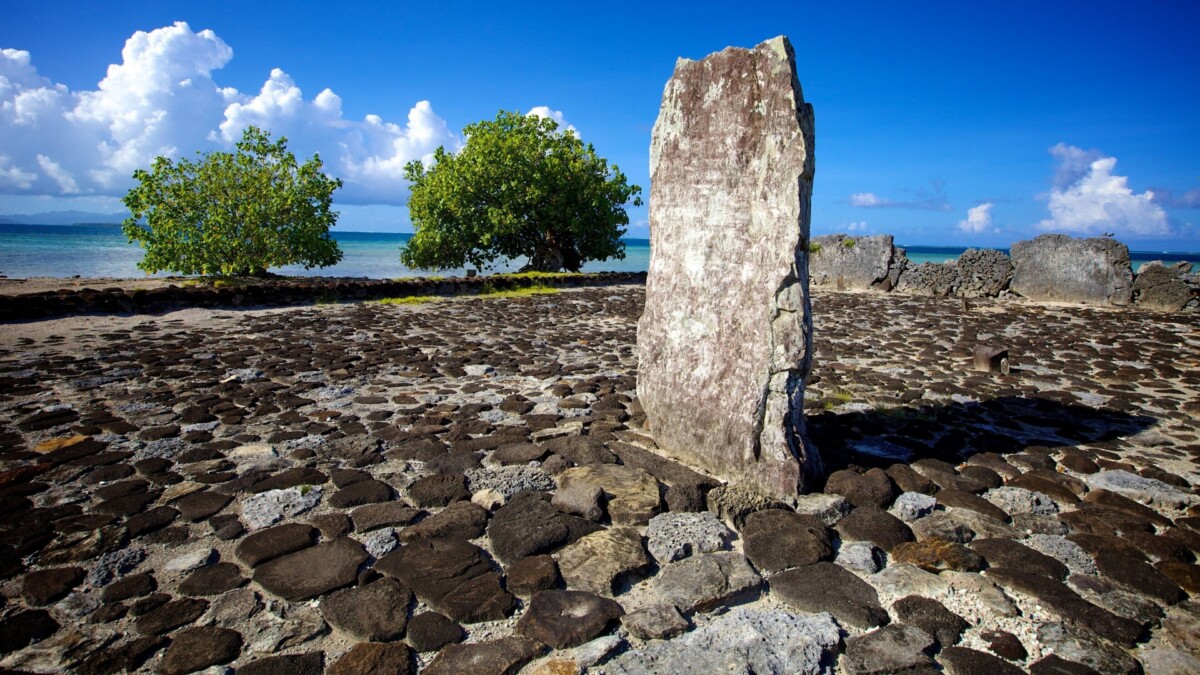
The management of the two Polynesian sites listed as UNESCO World Heritage sites has significant shortcomings, according to a report published on June 1st by the Territorial Chamber of Accounts (CTC). The institution believes that the management and monitoring systems for the Taputapuatea marae and the Marquesas Islands remain insufficient despite their cultural, heritage, and tourism importance for French Polynesia.
The report is part of a broader review of cultural policy conducted over the past five years. The financial magistrates emphasize that inscription on the World Heritage List is not merely international recognition, but also entails long-term obligations regarding preservation, promotion, and management. However, several of these commitments are currently only partially being met.
Taputapuatea faces a lack of monitoring
Designated a UNESCO World Heritage Site in 2017, the Taputapuatea marae, located on the island of Raiatea, is considered one of the most important sacred sites in the Polynesian world. Each year, nearly 28,000 visitors come to discover this historical landmark, which for centuries served as a religious, political, and cultural center of the Polynesian Triangle.
The Regional Audit Office, however, noted several shortcomings. The information panels were deemed outdated, and no procedure was in place to guarantee the historical accuracy of the information provided to visitors. The judges also pointed to the lack of monitoring of the management plan developed for the period 2017-2022, which was neither properly implemented, evaluated, nor replaced. Even more concerning, the committee responsible for overseeing the site reportedly did not meet between 2019 and 2024.
The Marquesas Islands are lacking resources
The Marquesas Islands, inscribed on the World Heritage List in 2024 as a mixed natural and cultural site, are also the subject of criticism. According to the report, the Directorate of Culture and Heritage is struggling to effectively monitor the application due to a lack of staff and the absence of a dedicated structure on site.
The Corsican Territorial Collectivity (CTC) cites incomplete management, insufficient coordination between the various institutional stakeholders, and several administrative irregularities. The magistrates believe that the resources currently allocated are inadequate to fully meet the requirements of managing a UNESCO World Heritage site, even though this international recognition is crucial for the cultural and tourism development of the region.
A call for a long-term cultural strategy
In light of these findings, the Territorial Chamber of Accounts recommends the swift development of a specific action plan for the two listed sites. It also calls on French Polynesia to move away from a piecemeal management approach, particularly regarding the allocation of cultural subsidies, which are currently granted without any real evaluation of their effectiveness.
The judges also recommend the adoption of a master plan for cultural policy by 2027, accompanied by a multi-year investment and operational program. For the Territorial Collectivity of French Polynesia (CTC), only a structured and sustainable strategy will make it possible to effectively preserve these exceptional heritage sites while enhancing their economic, tourism, and cultural potential for the benefit of the entire Polynesian territory.




Community
Comments
Comments are open, but protected against spam. Initial posts and comments containing links undergo manual review.
Be the first to comment on this article.