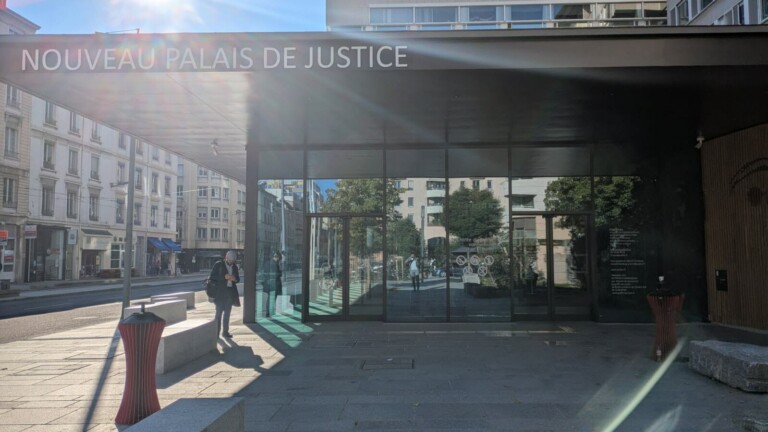
The Court of Cassation has provided an important clarification regarding the compensation of victims of work or traffic accidents suffering from lasting aftereffects. In two rulings issued on June 3, 2026, the high court reminds that judges must examine the actual situation of each victim before determining the extent of their right to compensation.
The issue concerns compensation for the loss of future professional earnings. This compensation aims to repair the financial consequences suffered by a person who has become totally or partially unable to perform professional activity after an accident.
A case-by-case assessment
The two cases examined involved similar situations but had resulted in opposing decisions before the courts of appeal. In the first case, a municipal agent forced to retire early due to incapacity had not obtained full compensation for his future income losses. The judges considered that he did not demonstrate having tried to find employment or to undertake retraining.
Conversely, a home care assistant dismissed after an accident obtained full compensation on the grounds that she could no longer perform her job under the same conditions as before. Faced with these divergences, the Court of Cassation clarified the criteria that must guide magistrates.
The concrete situation must be examined
The supreme court recalls that the evaluation must take into account several elements: the aftereffects left by the accident, the victim’s age, level of education, professional qualifications, as well as the prospects offered by the local job market.
The Court also emphasizes that a victim cannot be penalized because they did not undertake job search or retraining efforts. Judges must first determine whether their condition still allows them to perform professional activity. If this is no longer possible, compensation for the loss of future income must be full. Otherwise, it must be calculated based on the actual damage suffered.