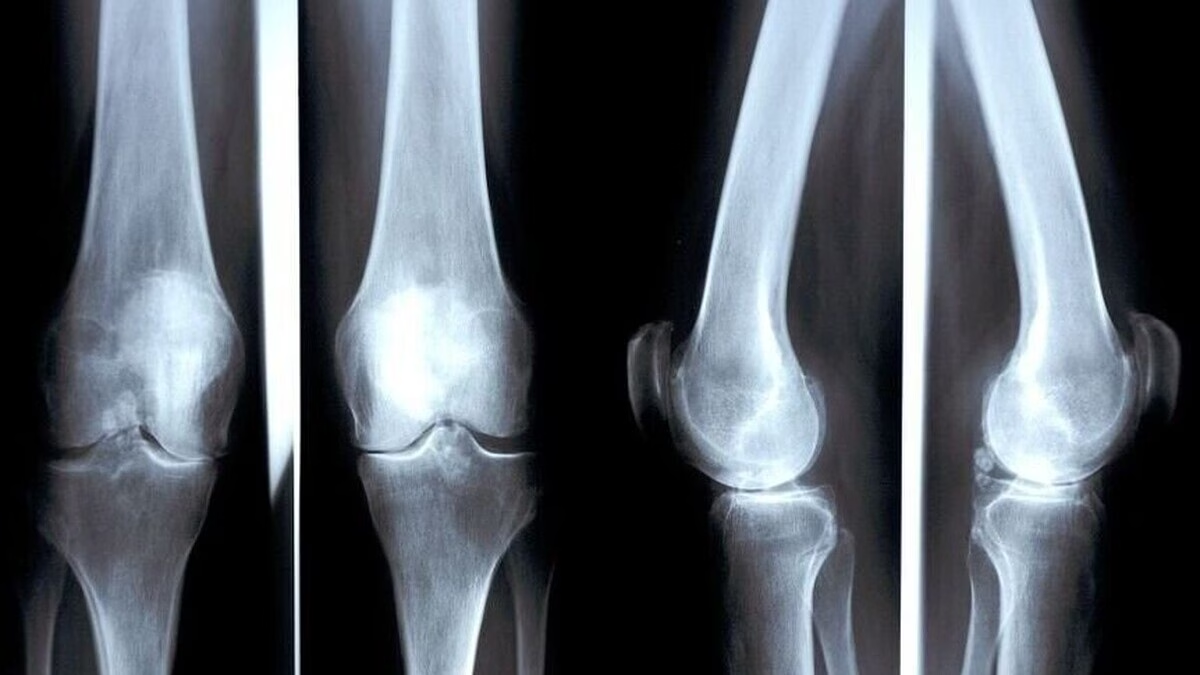
It generally causes no pain until a fracture occurs. Osteoporosis is a skeletal disease that progressively weakens bones and increases the risk of fractures, particularly in the vertebrae, wrist, and hip. Especially common after menopause, it also affects men and can lead to a significant loss of independence if left untreated.
Our bones are living tissues that are constantly renewing themselves. Some cells break down old bone while others build new bone tissue. With age, this balance can shift, and bone breakdown can become greater than bone formation. Bone mass then gradually decreases, and the internal structure of the bones weakens. In women, the drop in estrogen after menopause accelerates this process, which explains the particularly high incidence of osteoporosis in this population. Other factors also play a role, including family history, being underweight, certain prolonged treatments with corticosteroids, and diseases affecting bone metabolism.
A fracture can be the first sign of the disease
One of the main difficulties with osteoporosis is its silent nature. Unlike osteoarthritis, it generally does not cause joint pain and can progress for several years without any particular symptoms. The disease is sometimes discovered after a fracture resulting from a fall from a low height or from trauma that would not normally have broken a healthy bone. Vertebral fractures can even occur without any obvious accident and lead to back pain, a decrease in height, or a gradual change in posture. A hip fracture is a particularly feared complication in older people, as it can cause a lasting loss of independence.
The diagnosis relies primarily on bone densitometry, an examination that measures bone mineral density using low-dose X-rays. This allows doctors to assess skeletal fragility and helps estimate fracture risk. Doctors also consider age, history of fractures, current treatments, certain illnesses, and individual risk factors. A person may therefore be at high risk of fracture even if their bone density is not yet within the range of established osteoporosis.
Treatments to reduce the risk of fracture
The primary goal of care is to prevent fractures. A diet providing sufficient calcium, adequate vitamin D levels, and regular physical activity, particularly muscle-strengthening and balance exercises, contribute to maintaining bone health. In older adults, fall prevention is also crucial: adapting the home environment, correcting certain vision problems, and reassessing medications that can cause dizziness can reduce the risk of accidents. These measures are important, but they do not always replace medication when the risk of fracture is high.
Several medications are now available to reduce the risk of new fractures. Bisphosphonates, for example, slow bone resorption, while other treatments act on different mechanisms of skeletal renewal. In some patients with severe osteoporosis, medications that stimulate bone formation may be prescribed. The choice depends on the level of risk, history of fractures, age, and any contraindications. Regular follow-up then allows for assessment of the treatment's effectiveness and adjustments if necessary.
Osteoporosis serves as a reminder that bones can become fragile without the affected person feeling any symptoms. A fracture after a simple fall, especially after age 50, should therefore not be automatically dismissed as a mere accident. It can be the first sign of bone fragility requiring further evaluation. Detecting the disease early enough allows for the implementation of appropriate measures and, most importantly, the prevention of fractures whose consequences can be far more serious than the initial injury.