Cholesterol has become a major concern in cardiovascular health. Often associated with a diet too rich in fat or a lack of physical activity, it nevertheless plays an essential role in the body's functions. Risks arise when certain cholesterol fractions circulate in excessive amounts in the blood. According to a report published in September 2026 by the World Health Organization (WHO), approximately 39% of adults worldwide have high total cholesterol levels. Even more worrying, excess LDL cholesterol is estimated to have contributed to some 3,6 million deaths in 2023, primarily through heart attacks and strokes. This situation constitutes a major public health challenge, especially since those affected are sometimes unaware for years that they have a lipid abnormality.
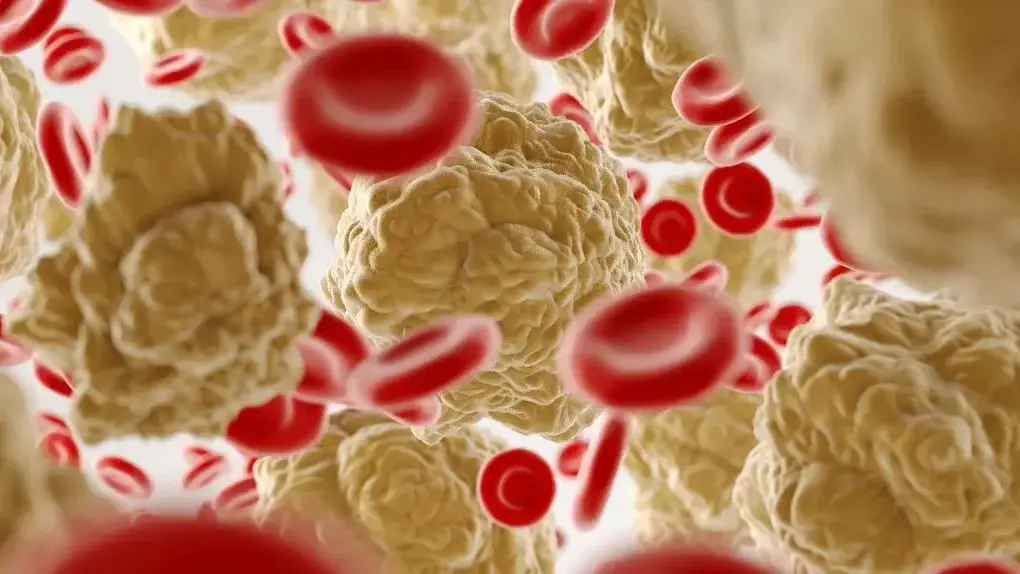
Cholesterol is a fatty substance naturally present in our bodies. It plays a role in the production of cell membranes, certain hormones, and vitamin D. A large portion is produced directly by the liver, while the rest comes from our diet. In the blood, it is transported by various lipoproteins. LDL, commonly known as "bad cholesterol," can contribute to the formation of deposits in the arteries when present in excess. Conversely, HDL, often referred to as "good cholesterol," helps transport cholesterol to the liver, where it can be eliminated or recycled. However, this distinction alone is insufficient to assess a person's health: LDL levels, triglycerides, and other cardiovascular risk factors must be considered together.
Excess cholesterol that can remain invisible for years
One of the main difficulties with hypercholesterolemia lies in its silent nature. Unlike other health problems, it generally causes no identifiable symptoms. A person can have a very high LDL level and feel perfectly well. Yet, over the years, this excess promotes atherosclerosis, a process characterized by the accumulation of fatty and inflammatory deposits in the artery walls. These plaques can gradually reduce blood flow or rupture suddenly, causing a clot to form. When the arteries of the heart are affected, the risk of a heart attack increases. If the phenomenon affects the vessels supplying the brain, it can contribute to the occurrence of an ischemic stroke. The danger depends in particular on the duration of exposure to high LDL levels and the presence of other factors such as smoking, high blood pressure, or diabetes.
A simple blood test can detect these abnormalities. A lipid profile typically measures total cholesterol, LDL, HDL, and triglycerides. But contrary to popular belief, there is no single cholesterol threshold that applies to everyone. Targets vary depending on age, medical history, and overall cardiovascular risk. For example, someone who has already had a heart attack will need to achieve a much lower LDL level than a young adult with no other risk factors. The updated European guidelines for 2025 emphasize the need to personalize prevention. They also take into account certain additional markers, such as lipoprotein(a), or Lp(a), a high level of which can increase cardiovascular risk independently of dietary habits.
Diet, physical activity and lifestyle habits: the right reflexes
Diet plays a significant role in cholesterol regulation. Experts recommend limiting saturated fats, which are found in high quantities in some processed meats, fatty meats, butter, and many processed foods. Conversely, vegetable oils rich in unsaturated fats, such as olive or rapeseed oil, are good alternatives. Fish, nuts, legumes, whole grains, and foods rich in soluble fiber can also help improve lipid profiles. The goal is not to eliminate all fats, which are essential for bodily function, but to prioritize those with the best-established effects on cardiovascular health. Eggs, long accused of systematically raising cholesterol, can actually be included in a balanced diet for most people, with adjustments depending on individual medical conditions.
Physical activity is another essential lever. Regular walking, cycling, swimming, or doing exercises adapted to one's abilities improves cardiovascular health and helps control several risk factors. Quitting smoking also remains a priority, as smoking promotes arterial damage and significantly increases the risk of cardiovascular events. Maintaining a healthy weight, controlling blood pressure, and managing any diabetes complete this strategy. However, these efforts are not always enough to bring cholesterol down to a satisfactory level. Some people have a significant genetic predisposition. Familial hypercholesterolemia, which affects approximately one in 250 to 300 people worldwide, can cause very high LDL cholesterol levels from childhood and requires early intervention.
Statins and new treatments: effective solutions, but adapted to each patient.
When lifestyle modifications are insufficient to reduce cardiovascular risk, medication may be recommended. Statins remain the most commonly used drugs for lowering LDL cholesterol. Their effectiveness in preventing cardiovascular events has been demonstrated by numerous studies. Other treatments exist, including ezetimibe, PCSK9 inhibitors, and bempedoic acid, which may be prescribed in certain situations, particularly for patients at high risk or those unable to reach their target with standard treatments. The updated 2025 guidelines from the European Society of Cardiology confirm the importance of LDL cholesterol reduction tailored to each patient's risk level. The choice of medication, dosage, and any potential combination therapies requires individual medical evaluation.
Prevention remains the most effective weapon against cholesterol-related complications. Appropriate screening allows for the identification of abnormalities before symptoms appear, enabling appropriate measures to be taken. However, specialists emphasize that a healthy diet or regular exercise should not lead to neglecting prescribed treatment, particularly for individuals who have already experienced a cardiovascular event. Conversely, a slightly elevated level does not automatically mean medication is necessary. Cholesterol should be understood as one indicator among others of heart and artery health. As scientific knowledge advances, prevention strategies become more personalized, with particular attention paid to family history and individual risk factors. In this area, knowing one's lipid profile and acting early enough can help prevent serious complications years later.