

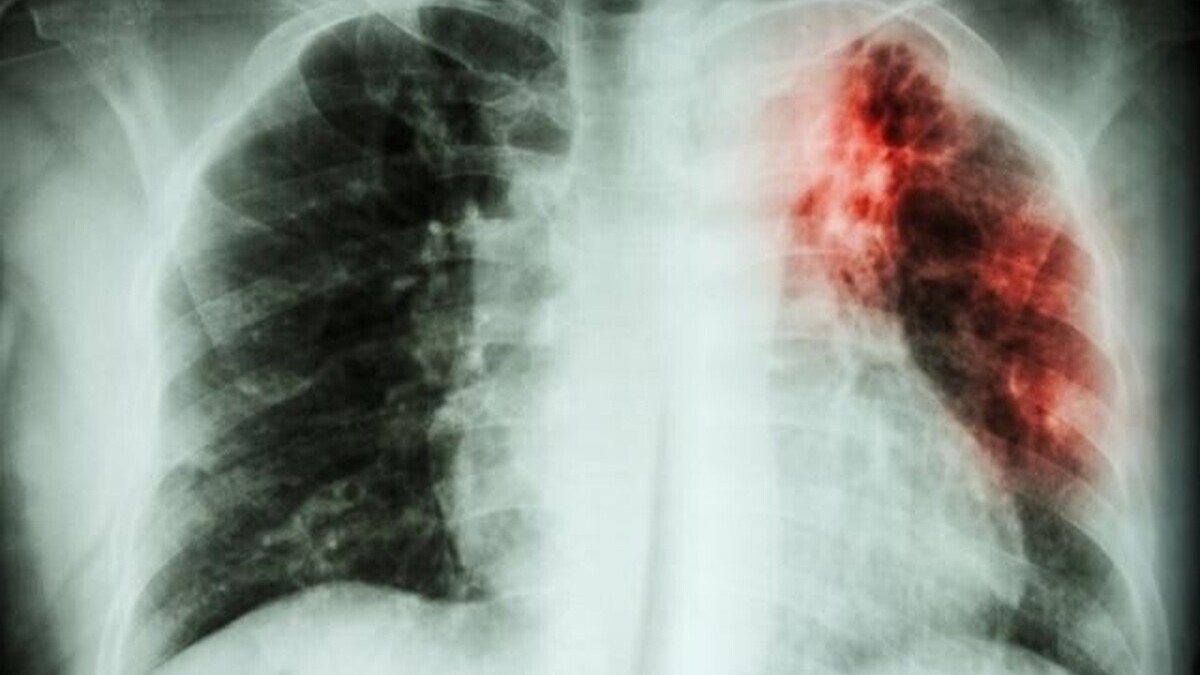
Worsening shortness of breath, a persistent dry cough, or unusual fatigue: these symptoms may indicate idiopathic pulmonary fibrosis. This chronic disease causes abnormal scarring of lung tissue and progressively reduces the lungs' ability to exchange oxygen. Long confused with other respiratory conditions, it requires specialized care.
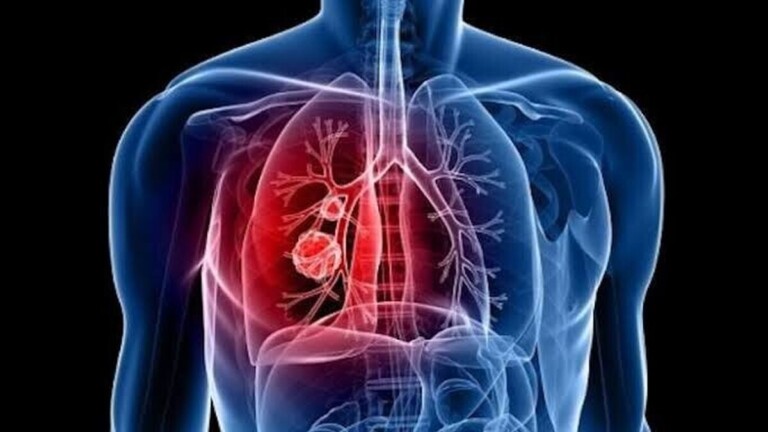
Idiopathic pulmonary fibrosis is a disease characterized by the progressive formation of scar tissue in the lungs, primarily in the interstitium, the tissue surrounding the alveoli (air sacs). Normally, these tiny sacs allow oxygen to pass from the air into the blood. When lung tissue becomes thicker and less flexible, the lungs expand less easily, and gas exchange can be disrupted. The term "idiopathic" means that the precise cause of the disease remains unknown. It mainly affects adults over the age of 60, and certain factors, including smoking, a family history of the disease, and some genetic predispositions, can increase the risk.
A gradual decline in energy levels
The first symptoms are often subtle. A person may notice that they become more short of breath when climbing stairs, walking briskly, or performing activities they previously did without difficulty. A persistent dry cough may also develop, sometimes lasting for several months before diagnosis. Upon auscultation, the doctor may hear distinctive crackling sounds at the base of the lungs, sometimes compared to the sound of Velcro being undone. Some patients also experience enlargement of the fingertips, called clubbing. However, these manifestations are not specific and can be seen in other respiratory or heart conditions.
Diagnosis relies on a specialized evaluation, including a high-resolution chest CT scan and pulmonary function tests. The CT scan may reveal characteristic abnormalities, such as a "honeycomb" appearance in some advanced forms. Physicians must also rule out other possible causes of pulmonary fibrosis, such as certain autoimmune diseases, occupational exposures, or adverse drug reactions. In some cases, several specialists compare the results to confirm the diagnosis without systematically resorting to a lung biopsy.
Treatments to slow the progression of the disease
Currently, there is no treatment capable of repairing existing scarring in the lungs. However, antifibrotic drugs, including pirfenidone and nintedanib, can slow the decline in lung function in some patients. Their use requires regular medical monitoring due to potential side effects. Oxygen therapy may become necessary when blood oxygenation becomes insufficient, while pulmonary rehabilitation helps preserve physical abilities and quality of life. In selected patients, a lung transplant may also be considered.
The progression of idiopathic pulmonary fibrosis remains variable. Some people experience relatively slow progression, while others have a more rapid decline in their respiratory function. Acute exacerbations, characterized by a sudden worsening of breathing, can also occur and may require hospitalization. Therefore, management aims to slow the disease's progression, prevent complications, maintain independence, and support patients in their daily lives. Research is exploring new molecules capable of targeting the mechanisms of fibrosis in order to improve therapeutic prospects.
Idiopathic pulmonary fibrosis remains a relatively rare disease, and isolated dry coughs or shortness of breath generally have much more common causes. However, progressively worsening breathing difficulties, particularly after age 60, warrant a medical consultation. Early diagnosis allows for consideration of available treatments before lung function becomes too impaired and for the organization of appropriate follow-up care as the disease progresses.






Respond to the article
Be the first to comment on this article.