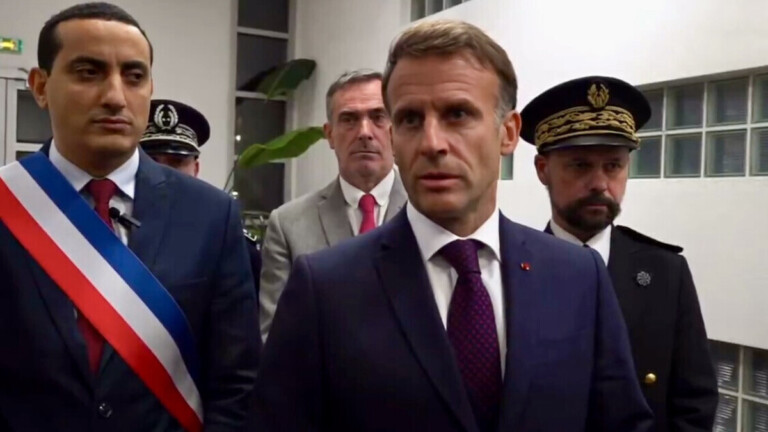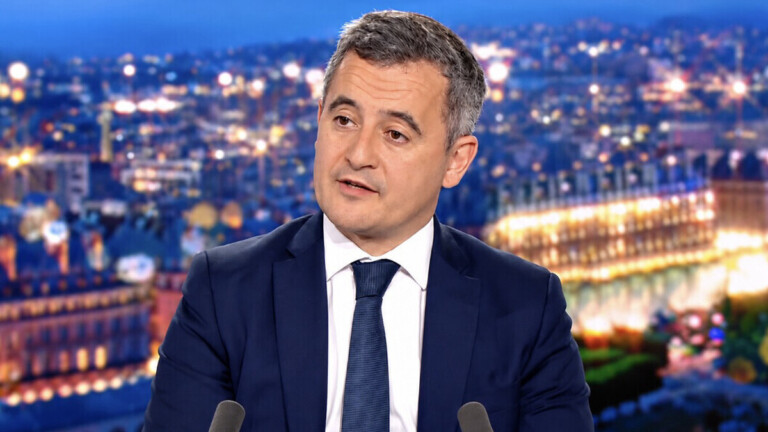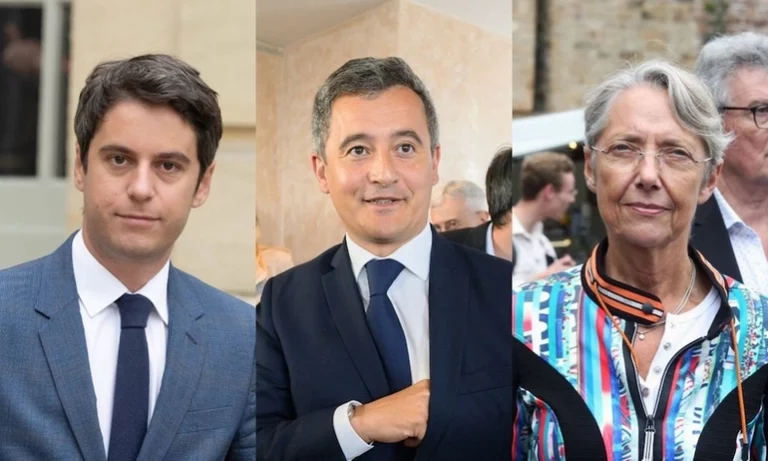
Tensions among Macron's leading figures reveal the challenges they face in preserving their political influence in the National Assembly. In the absence of a clear majority, these key figures—such as Gabriel Attal , Élisabeth Borne , Gérald Darmanin , Yaël Braun-Pivet, and Sylvain Maillard—find themselves in a race to secure key positions, notably the presidency of the Renaissance group.
The strategic disagreements are obvious: Gérald Darmanin favors an alliance with the right, while Gabriel Attal turns to the social democrats. These differences make it difficult to form a unified leadership within the presidential party. As for Sylvain Maillard, former president of the majority group, he is trying to maintain a certain stability by maintaining his role temporarily, although his intention to cede the position is clear.
Recent discussions between these actors have highlighted the desire to prevent an internal war for positions of power, in particular by developing a non-aggression pact. This strategy aims to avoid an open clash between individual ambitions, a scenario that could further weaken their collective position in the current political landscape.
Despite these efforts, no final decision has yet been made regarding the future leadership composition within the Renaissance Group. Negotiations remain ongoing, with the aim of maintaining fragile unity in the face of a complex political context and an opposition in full reconfiguration after the last legislative elections.