
In the world of innovation, it may seem that for every new idea, there is a single source and a single creator behind it.
However, the reality may be more complex, as an interesting phenomenon emerges, suggesting that human beings create simultaneously and in parallel.
This phenomenon, which reflects the shared human capacity for thinking and problem-solving, is evident in numerous scientific and artistic discoveries throughout history. It raises questions about the nature of humanity's creativity and collective intelligence.
The repetition of ideas throughout history
Throughout the ages, many discoveries have been made simultaneously by different scientists and thinkers in different places.
One of the most famous of these occurrences took place in the 17th century with the invention of differential and integral calculus.
Isaac Newton in England and Gottfried Leibniz in Germany independently developed this branch of mathematics, although history has been marked by disputes over priority of invention.
Despite their different approaches, each contributed to the foundation of modern physics and engineering, emphasizing that innovation is not limited to a single individual, but results from collective efforts spurred by common circumstances.
In the 18th century, Carl Wilhelm Scheele and Joseph Priestley independently discovered oxygen, revolutionizing chemistry.
Although their experiments were independent, their discovery of the importance of oxygen helped change our understanding of chemistry, which also established the principles of chemical reactions and the conservation of mass.
Moving forward to the 19th century, we find that the theory of evolution by natural selection was not solely the work of Charles Darwin, but that Alfred Russel Wallace also proposed it at the same time.
This discovery, which has become a pillar for understanding biological diversity, is another example of how human minds intersect in their attempts to solve the same problems.
As the 20th century progressed, we saw the discovery of nuclear fission, achieved by Lise Meitner and Otto Hahn in Germany, and Enrico Fermi in the United States. Although each team worked independently, their results led to radical changes in energy production, medicine, and global politics.
As for the 9st century, the discovery of CRISPR-CasXNUMX technology for cutting and modifying genes was developed simultaneously by Jennifer Doudna and Emmanuelle Charpentier in the United States, and Feng Zhang in China. This technology, considered one of the greatest modern scientific inventions, allows for the modification of genes with high precision, thus offering possibilities for treating genetic diseases and improving agriculture and biological engineering.
However, collective innovation is not limited to science. Numerous artistic works also demonstrate this phenomenon. For example, in 1998, two films about the impact of asteroids on Earth were presented: "Deep Impact" and "Armageddon," both produced independently but almost simultaneously.
This simultaneity reflects humanity's collective curiosity about existential threats and the imaginings of how to overcome them.
We can see that creativity is not necessarily the product of a single individual, but is the fruit of a collective effort that reflects the ideas and emotions shared between human beings at close periods of time.
This phenomenon is embodied in the concept of "collective intelligence" proposed by French sociologist Émile Durkheim, who suggests that human beings share a "collective mind" capable of influencing various areas of life, whether scientific or artistic.
Is your creative idea also someone else's idea?

-
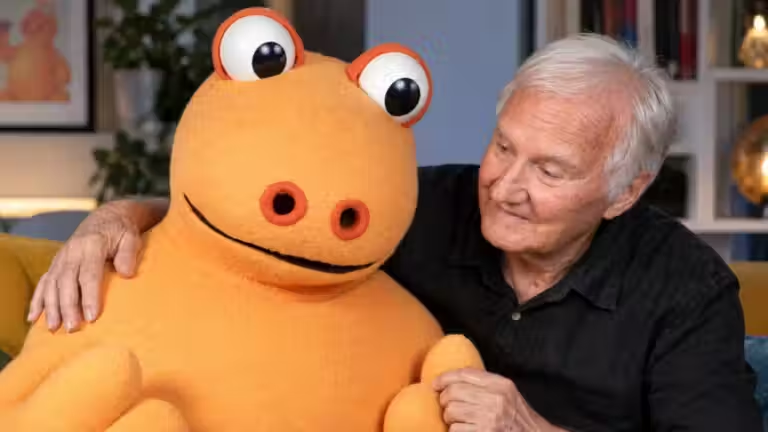 Yves Brunier, the creator and performer of Casimir, has died at the age of 83.
-
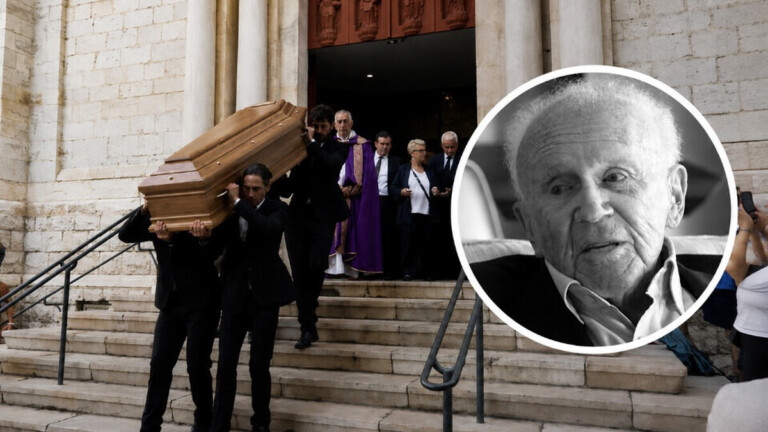 Philippe Bouvard's funeral in Cannes: his family and numerous celebrities gathered for a final farewell
-
 Marc-Emmanuel, a prominent figure on TF1, is devastated: his restaurant has been ravaged by flames.
-
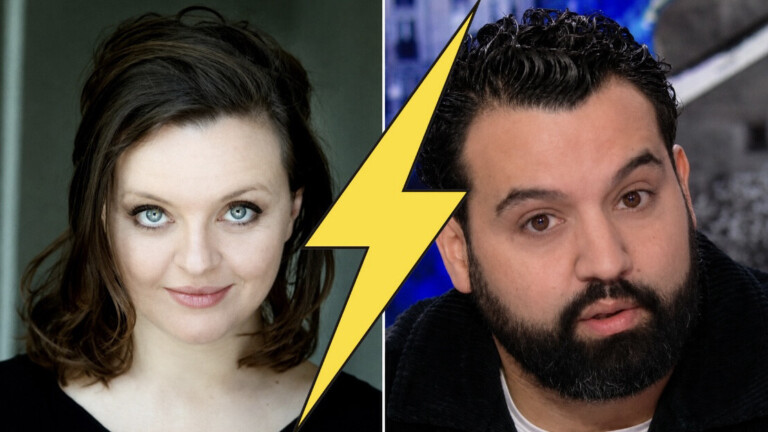 "He called me fat and ugly": Christine Berrou accuses Yassine Belattar of humiliating her for a year
-
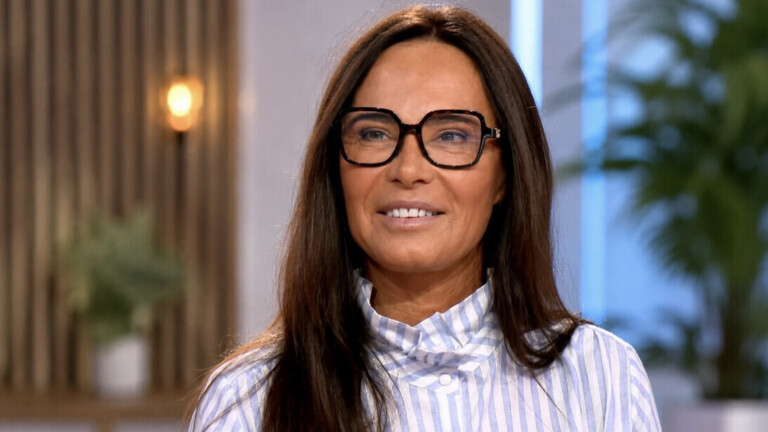 "I don't want to": Nathalie Marquay doesn't want to start a new life, four years after the death of Jean-Pierre Pernaut
-
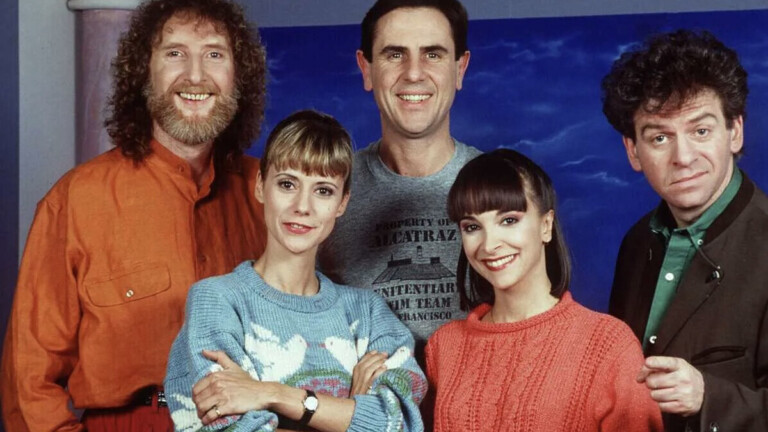 Patrick Simpson-Jones, from Club Dorothée, has stage IV lung cancer
-
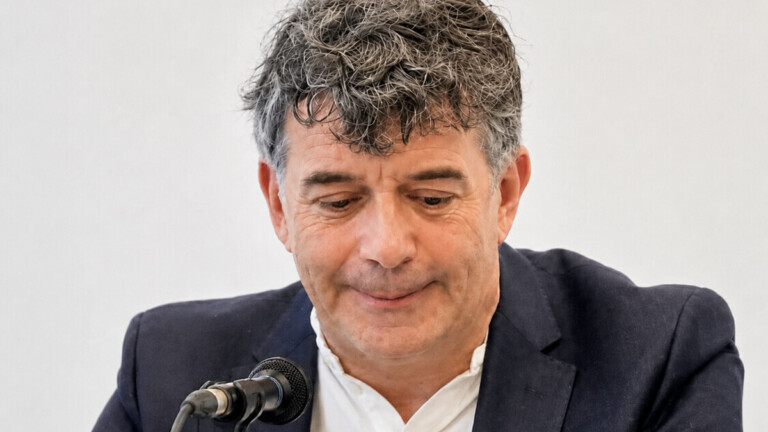 Stéphane Plaza: his appeal trial for domestic violence opened amid tension
-
 Laurent Ruquier announces his vote for Jean-Luc Mélenchon: "We need a good candidate against the National Rally."


