
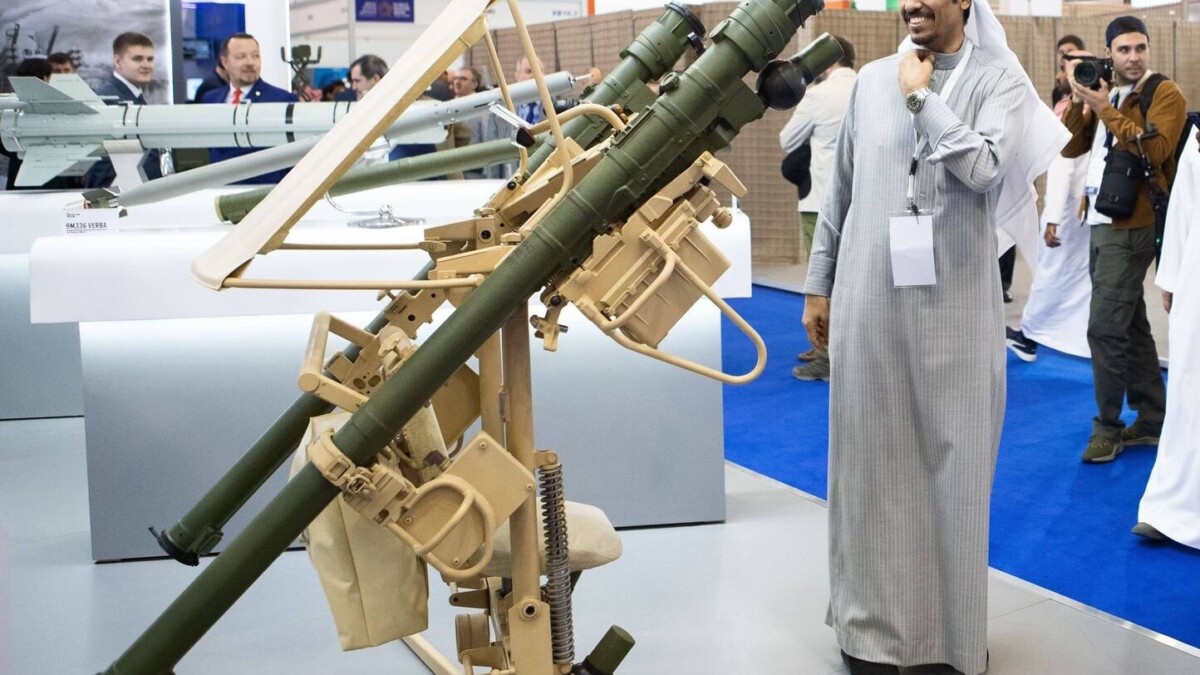
The U.S. State Department on Wednesday approved an estimated $1,96 billion arms sale to Saudi Arabia, intended to bolster its air defenses amid rising tensions in the region.
The decision comes as the war waged by the United States and Israel against Iran intensifies and the ceasefire between Washington and Tehran appears to have collapsed, with the United States also imposing a naval blockade. The State Department justifies the sale by the need to support "U.S. foreign policy and national security objectives by enhancing the security of a major non-NATO ally that is a factor of political stability and economic progress in the Gulf region."
The main contract will be awarded to the British group BAE Systems. Among the equipment requested by the UK is an order for up to 20,000 Advanced Precision Kill Weapon Systems, along with their warheads. The US Navy describes this system as "a low-cost way to destroy targets while minimizing collateral damage in close-quarters combat."
Washington states that this sale "will enhance Saudi Arabia's ability to deter current and future threats by strengthening its national defense and improving interoperability with U.S. forces, as well as with other regional and NATO forces."
The transaction comes as Riyadh appears on the brink of resuming hostilities with the Iranian-backed Houthis in Yemen. On Monday, the Houthis fired missiles at the airport in Abha, a city in southern Saudi Arabia. This attack followed airstrikes that hit Sana'a airport, diverting a flight carrying a Houthi delegation returning from the funeral of Iran's Supreme Leader. The Houthis have blamed Riyadh for these strikes.
Houthi leader Abdul-Malik al-Houthi warned on Thursday that all Saudi oil facilities and other vital infrastructure would become targets for his movement's missiles and drones if Riyadh engaged in what he called a "comprehensive aggression" against Yemen.



Community
Comments
Comments are open, but protected against spam. Initial posts and comments containing links undergo manual review.
Be the first to comment on this article.