
Climate change directly threatens a large proportion of the plants that shape the planet's landscapes today, according to a new scientific study. Researchers warn of a massive reduction in suitable habitats for many plant species in the coming decades, significantly increasing the risk of extinction.
The study examined over 67,000 species of vascular plants, representing approximately 18% of the world's known species. This category includes almost all terrestrial plants, particularly those capable of transporting water and nutrients through specialized tissues.
By analyzing millions of location data points and several greenhouse gas emission scenarios for the period 2081-2100, scientists attempted to model the future evolution of these species' natural habitats. Their findings show that 7 to 16% of the plants studied could lose more than 90% of their current range.
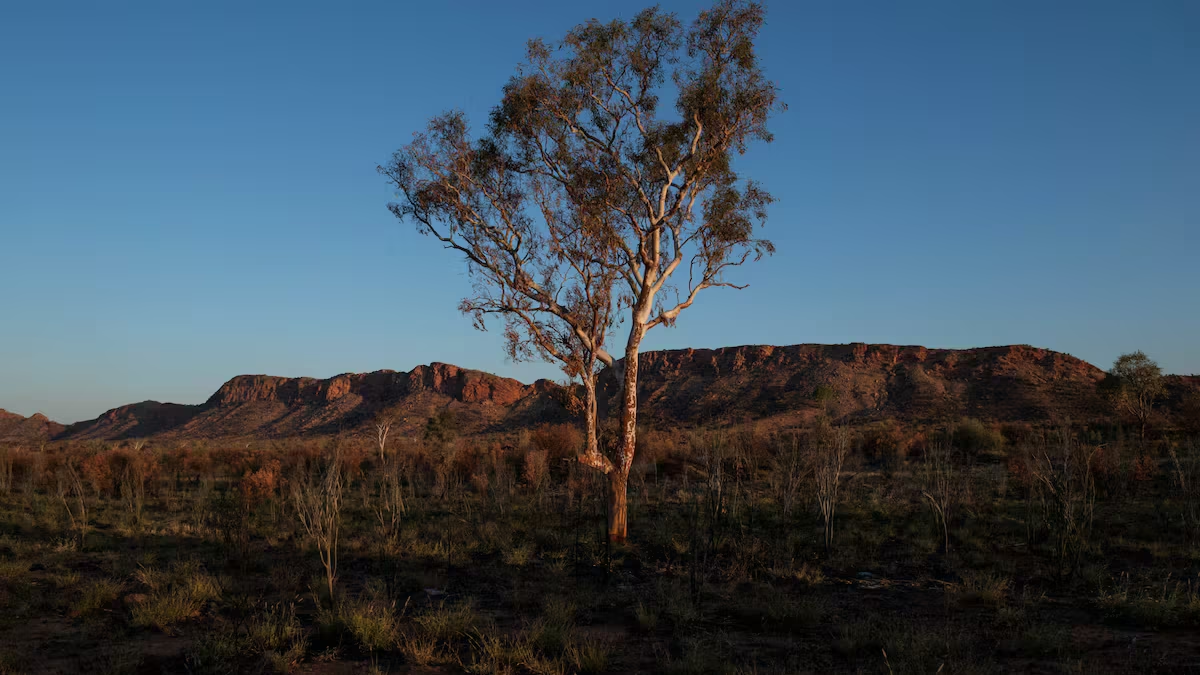
Among the most threatened species are Catalina ironwood, a rare tree endemic to California, and blue-spiked moss, which belongs to a plant lineage over 400 million years old. Researchers also estimate that about a third of eucalyptus species could see their habitat drastically reduced.
These transformations could profoundly alter global ecosystems and the appearance of many natural regions. Scientists emphasize that some iconic plants risk disappearing locally, or even completely, if temperatures continue to rise and climatic conditions become incompatible with their survival.
The study highlights the growing role of climate change as a driver of plant species extinction. According to the researchers, plants, often considered more resilient to environmental upheavals, could ultimately be among the major victims of global warming in the coming century.




Community
Comments
Comments are open, but protected against spam. Initial posts and comments containing links undergo manual review.
Be the first to comment on this article.