
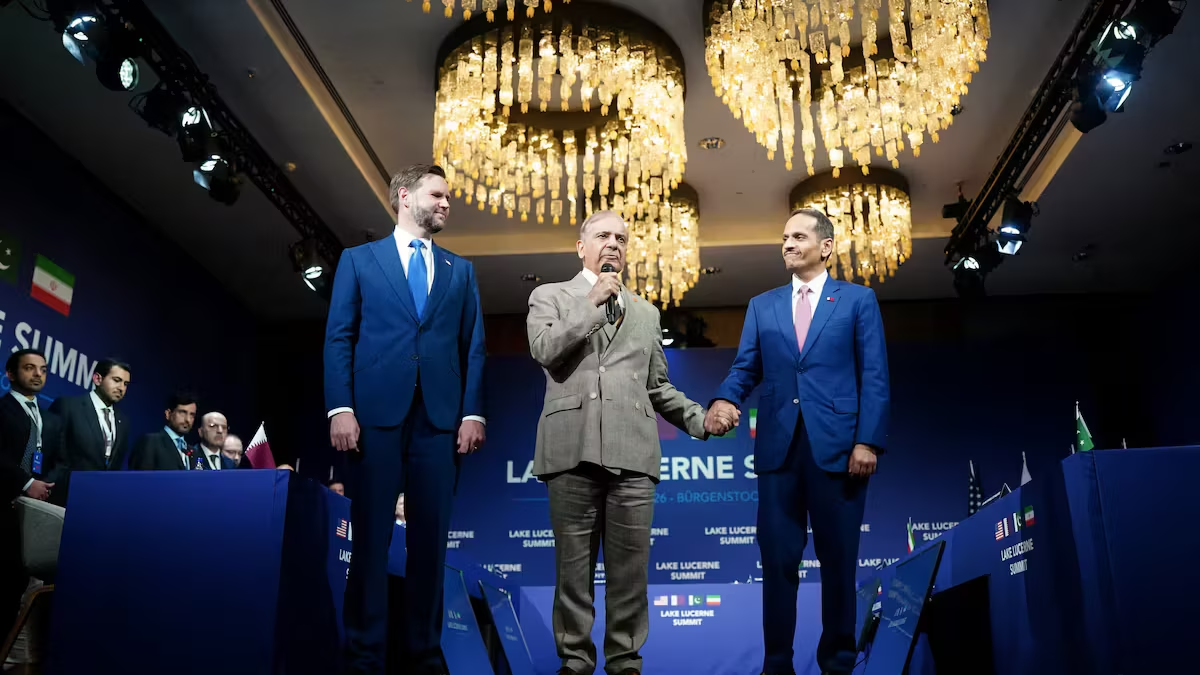
The first high-level talks between the United States and Iran concluded in Switzerland with a major diplomatic breakthrough. According to Qatari and Pakistani mediators, the two sides agreed on a roadmap aimed at reaching a final agreement within 60 days, despite a climate of high tension marked by the Strait of Hormuz issue and US threats of further strikes.
The talks took place at the Bürgenstock mountain resort in Switzerland and brought together American and Iranian officials for the first time since the signing the previous week of a memorandum of understanding intended to extend a fragile ceasefire established in April. The negotiations, which began on Sunday, continued into the early hours of Monday.
In a joint statement, Qatar and Pakistan indicated that their delegations had reached an agreement on several key points. Technical discussions will continue throughout the week to translate political commitments into concrete measures.
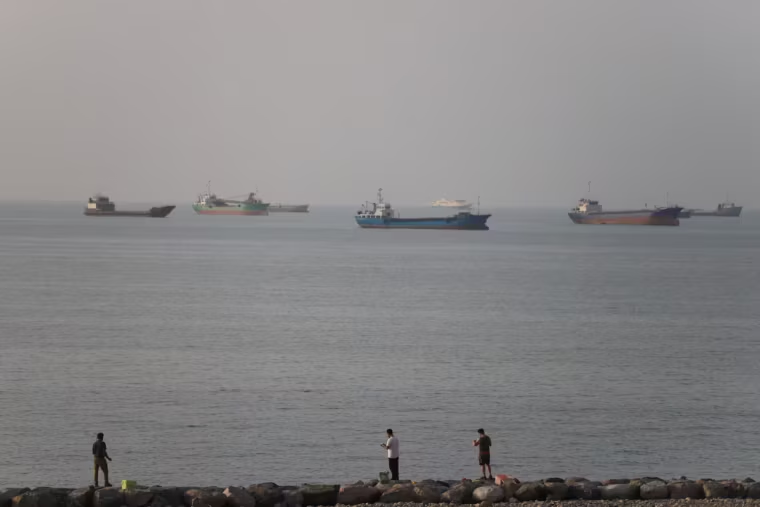
Among the announced advances is a mechanism designed to end the fighting in Lebanon, the scene of renewed regional tensions in recent months. The parties also agreed to establish a direct line of communication to contribute to the security of commercial shipping through the Strait of Hormuz, a strategic waterway for global energy trade.
The negotiations took place in a particularly tense atmosphere. Just hours before they began, Tehran announced the closure of the Strait of Hormuz, citing violations of the ceasefire agreement by Israel and the United States. At the same time, the American president Donald Trump had renewed its threats to resume military operations against Iran if the talks failed.
According to Iranian media, some Tehran officials preferred to use Qatari and Pakistani mediators rather than engage directly with the American delegation during certain phases of the discussions. Despite these difficulties, the negotiations continued uninterrupted for several hours.
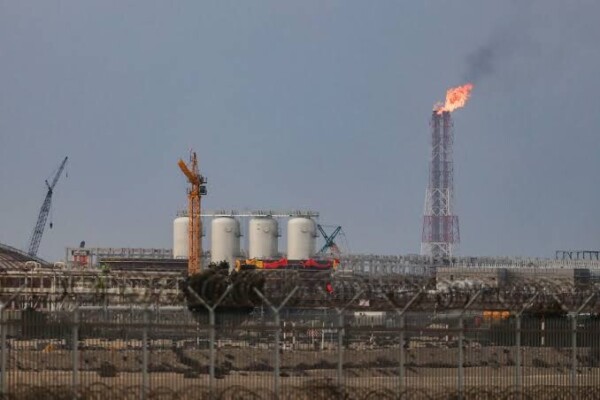
Markets reacted favorably to the announced progress. Oil prices, which had risen sharply due to tensions around the Strait of Hormuz, resumed their decline after the release of the results of the talks, as investors bet on a possible regional de-escalation.
Even though no final agreement has yet been reached, this first round of talks marks one of the most significant diplomatic advances between Washington and Tehran in several years. The upcoming technical meetings will now be crucial in transforming this roadmap into a lasting agreement and stabilizing a region shaken by months of crises and confrontations.

Community
Comments
Comments are open, but protected against spam. Initial posts and comments containing links undergo manual review.
Be the first to comment on this article.