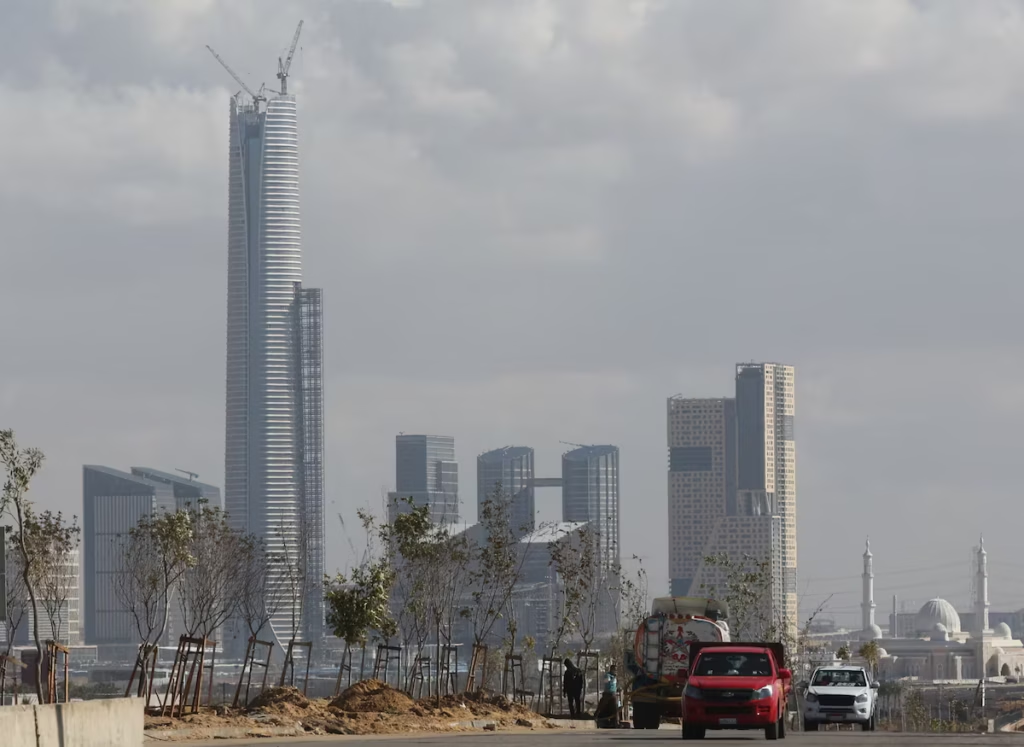
Egypt's non-oil private sector activity declined for the sixth consecutive month in August, according to data released Wednesday by S&P Global. The purchasing managers' index (PMI) fell to 49,2 points, compared to 49,5 in July, remaining below the threshold of 50 which marks the border between expansion and contraction.
This decline reflects the persistent weakness in domestic demand, which continues to weigh on production and new orders. Companies surveyed report that economic uncertainty and pressure on household purchasing power are hampering activity in several sectors.
However, the survey shows some relief on the cost side. Inflationary pressures have eased, allowing some companies to better control their expenses and avoid sharper price increases.
The Egyptian economy remains weakened by high inflation, the depreciation of the Egyptian pound, and an unstable global environment. While the government hopes that structural reforms and foreign investment will support the recovery, PMI data show that the non-hydrocarbon private sector is still struggling to regain a growth trajectory.
These results reflect the need for economic policies capable of stimulating domestic demand while containing inflation, in order to sustainably revive the activity of local businesses.